# Do You Really Need to Wash Rice Before Cooking?
Rice reaches tables in more than half the world's population every day, but a simple question divides cooks: Should you wash it first?
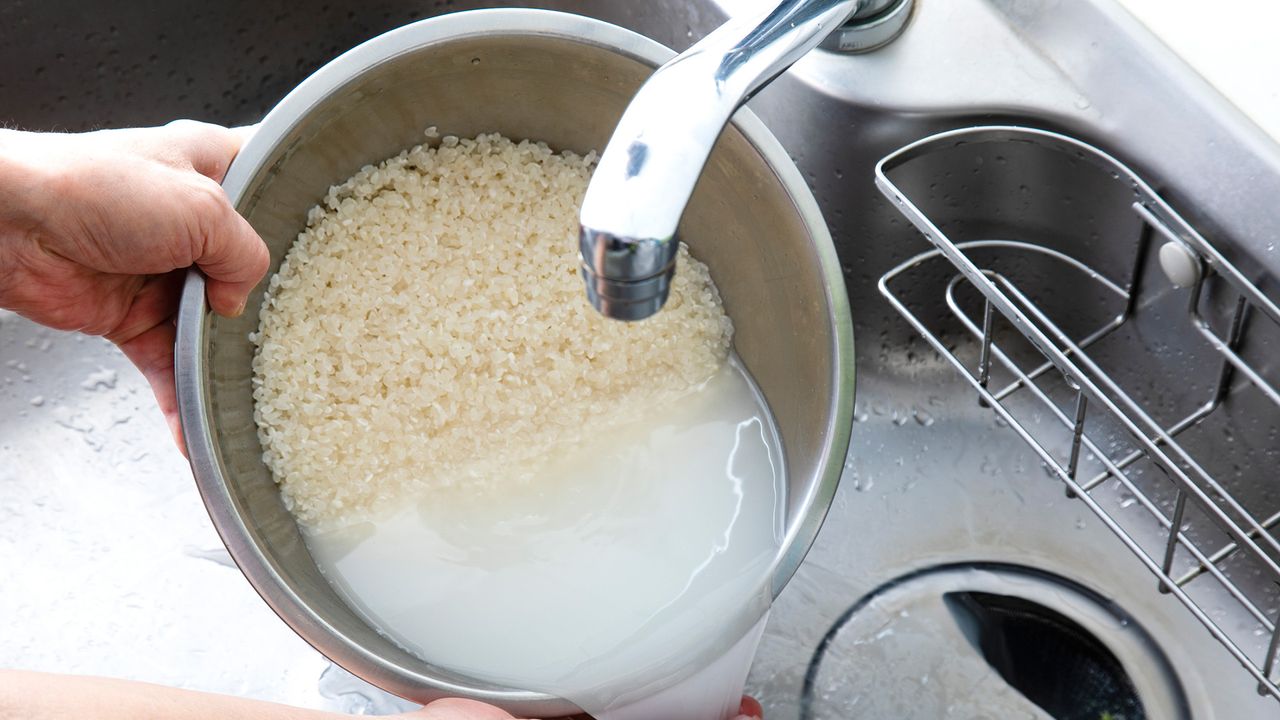
The practice varies by region and culture. Asian cuisines traditionally emphasize rinsing rice multiple times under running water before cooking, while Western cooking methods often skip this step. The reasoning behind washing centers on removing surface starch, dust, and debris accumulated during milling and packaging.
Washing rice does remove excess starch, which affects the final texture. Unrinsed rice produces stickier grains due to higher starch content on the surface. For dishes requiring distinct, separated grains like fried rice or pilafs, rinsing helps achieve that result. Asian cooks have long recognized this benefit, particularly when preparing jasmine or basmati varieties.
However, the necessity depends on your recipe and preferences. For risotto or paella, where creamy texture comes from starch release, skipping the wash is intentional. The starch acts as a binder that creates the desired consistency. For simple steamed rice where individual grains matter, rinsing improves results.
Food safety considerations add another dimension. Some concerns about arsenic content in rice suggest rinsing removes certain contaminants, though research shows the effect is modest. Washing eliminates visible particles and some dust, but it cannot remove heavy metals that have been absorbed into the grain itself.
The practical difference is noticeable. Rinsed rice typically produces fluffier, less sticky results. Unrinsed rice cooks faster but with a mushier texture. Modern rice milling is generally cleaner than historical methods, so sanitary concerns are reduced compared to decades past.
Most rice varieties tolerate both approaches without significant quality loss. The choice ultimately reflects personal preference and intended dish. Traditional practice