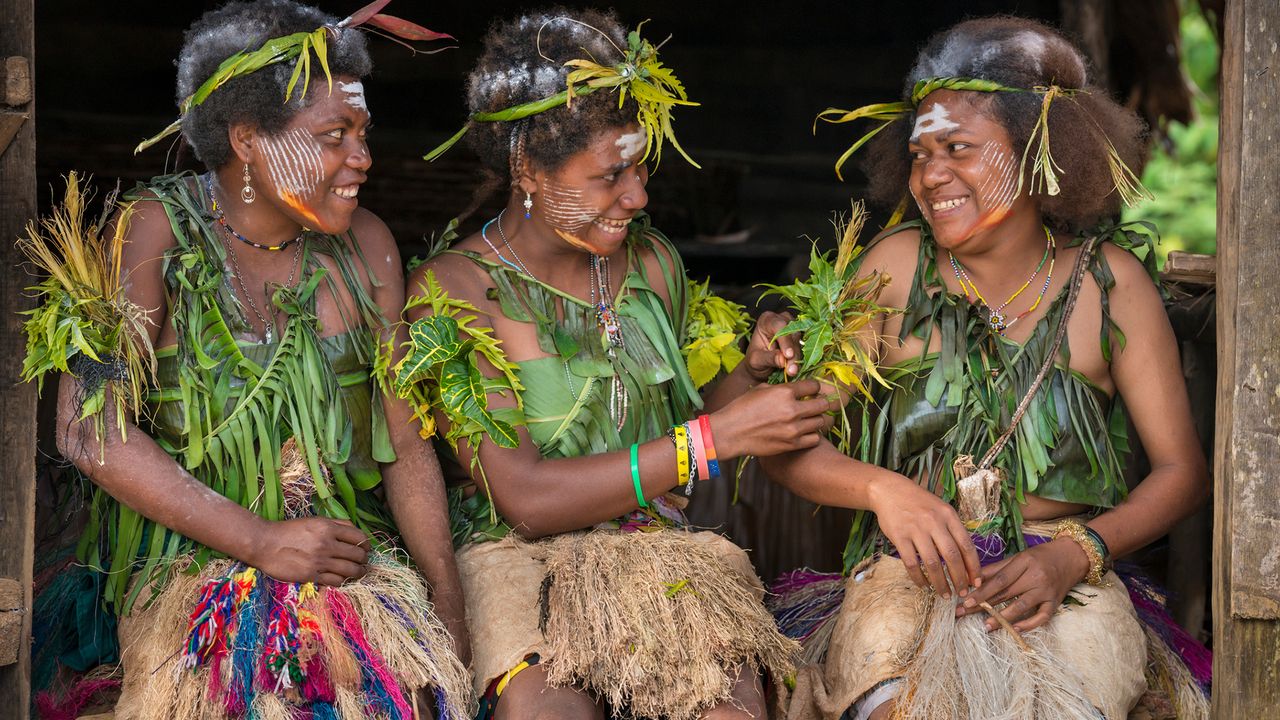
A team of researchers has discovered that Denisovan DNA actively influences immune system function in modern Oceanians, revealing an unexpected legacy of ancient human interbreeding that persists in living populations today.
Denisovans were a sister species to Neanderthals that went extinct roughly 50,000 years ago. Modern humans interbred with them in Asia, and those genetic exchanges left detectable traces in populations across East Asia and Oceania. Previous studies identified Denisovan DNA in living people, but this research represents one of the first demonstrations that these ancient genes continue to shape biological functions in their descendants.
The research team analyzed genetic data from Oceanian populations, focusing on immune-related genes inherited from Denisovans. They found that these ancient variants are present at high frequencies in some island communities and appear to influence how immune cells respond to pathogens and environmental challenges. The specific mechanisms remain unclear, which researchers acknowledge as a significant gap in their understanding.
The findings raise intriguing questions about adaptive advantages. Scientists speculate that Denisovan immune genes may have helped early modern humans survive novel diseases or environmental conditions they encountered during migration through Asia and into the Pacific. The tropical environments of Oceania present distinct pathogenic pressures compared to other regions, potentially explaining why these variants persist at elevated levels there.
However, researchers emphasize substantial limitations in their current knowledge. The functional consequences of most Denisovan immune variants remain unknown. Additionally, determining exactly when and how these genetic exchanges provided advantages requires further investigation. The team cannot yet explain why certain Denisovan genes persist while others have been selected against over thousands of years.
This work underscores how ancient interbred populations continue influencing modern human biology in ways scientists are only beginning to understand. Future studies examining specific immune functions in Denisovan-carrying individuals may clarify whether these genes represent relics of past adaptation