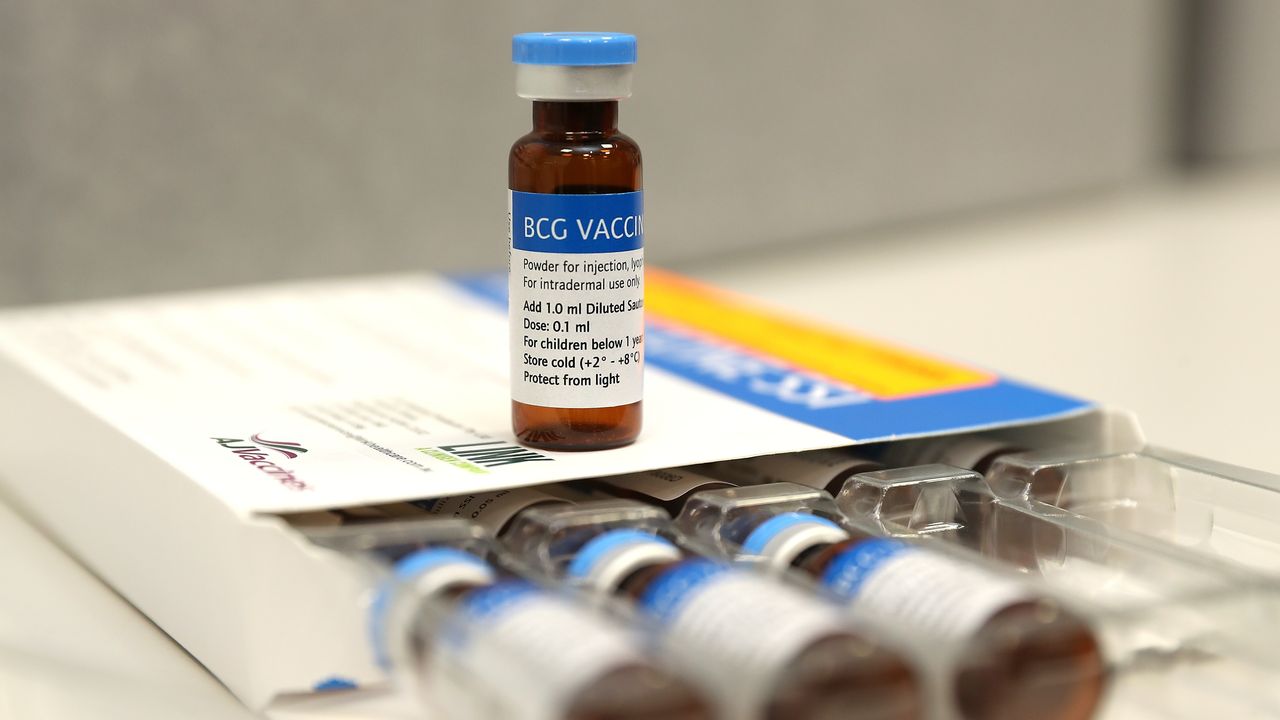
A century-old tuberculosis vaccine appears to reduce insulin requirements in diabetes patients, according to new trial results that suggest an unexpected therapeutic application for the bacille Calmette-Guérin (BCG) vaccine.
Researchers administered repeated doses of BCG to patients with two forms of diabetes and observed lower insulin needs compared to control groups. The vaccine, developed in 1921, trains the immune system to fight tuberculosis by stimulating a mild immune response. That same mechanism appears to benefit people with diabetes by potentially dampening the autoimmune attack on insulin-producing cells or improving metabolic function.
The findings emerge from clinical trials but remain preliminary. Researchers have not yet published results in a peer-reviewed journal, and the exact mechanism behind the vaccine's diabetes benefits remains unclear. Scientists need larger, longer studies to confirm efficacy, determine optimal dosing schedules, and identify which patient populations benefit most.
The BCG vaccine has shown promise for other conditions beyond tuberculosis. Previous research suggested it might boost immune function and reduce cancer risk, though results have been mixed. For diabetes specifically, the immune-modulating properties of BCG could address type 1 diabetes, where the body's immune system attacks beta cells that produce insulin. It might also help type 2 diabetes through different metabolic pathways.
This discovery highlights how established medical interventions sometimes reveal unexpected benefits when tested in new contexts. However, safety remains paramount. The BCG vaccine causes localized infection and carries rare but serious risks in immunocompromised patients. Researchers must carefully evaluate whether repeated doses pose additional safety concerns for diabetic populations.
The trial represents an intriguing avenue for diabetes treatment, particularly if it reduces insulin dependence and improves quality of life. But claims of efficacy require rigorous peer review, replication across independent research groups, and publication in established medical journals before clinicians could consider it standard therapy. Patients