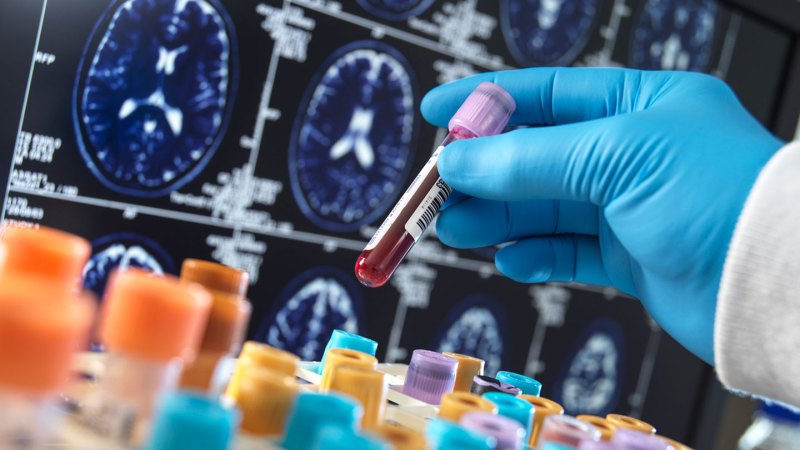
Researchers have developed an experimental blood test that uses artificial intelligence to detect multiple types of dementia simultaneously, addressing a major diagnostic challenge in neurology.
Dementia often involves more than one pathology. Patients frequently have a combination of Alzheimer's disease, vascular dementia, and Lewy body dementia occurring at once. Current diagnostic methods struggle to distinguish these overlapping conditions. Brain imaging and cerebrospinal fluid tests exist, but they are expensive, invasive, or both. A simple blood test could transform clinical practice.
The new test analyzes biomarkers in blood samples using machine learning algorithms to identify signatures of different dementia types. Rather than relying on a single protein or marker, the AI approach examines patterns across multiple biological indicators. This allows clinicians to detect when patients have mixed pathologies, not just a single dominant form.
The research team trained their AI model on blood samples from patients with confirmed dementia diagnoses, establishing which biomarker patterns correspond to each dementia type. The model then learned to recognize these patterns in new samples. Early results show the test can distinguish between Alzheimer's disease and other forms of dementia with reasonable accuracy, and critically, it can identify cases where multiple types coexist.
Accurate diagnosis matters because treatments differ. Vascular dementia management focuses on cardiovascular health and stroke prevention. Lewy body dementia requires different medication approaches than Alzheimer's. When multiple pathologies are present, tailored treatment strategies become necessary but impossible without knowing what combination a patient has.
The test still requires validation in larger patient populations and comparison with autopsy findings, the current gold standard for dementia diagnosis. Researchers must also confirm the blood biomarkers remain stable over time and respond predictably to treatments. Cost and accessibility remain open questions.
Despite these limitations, a non-invasive blood test that identifies mixed dementias represents a meaningful