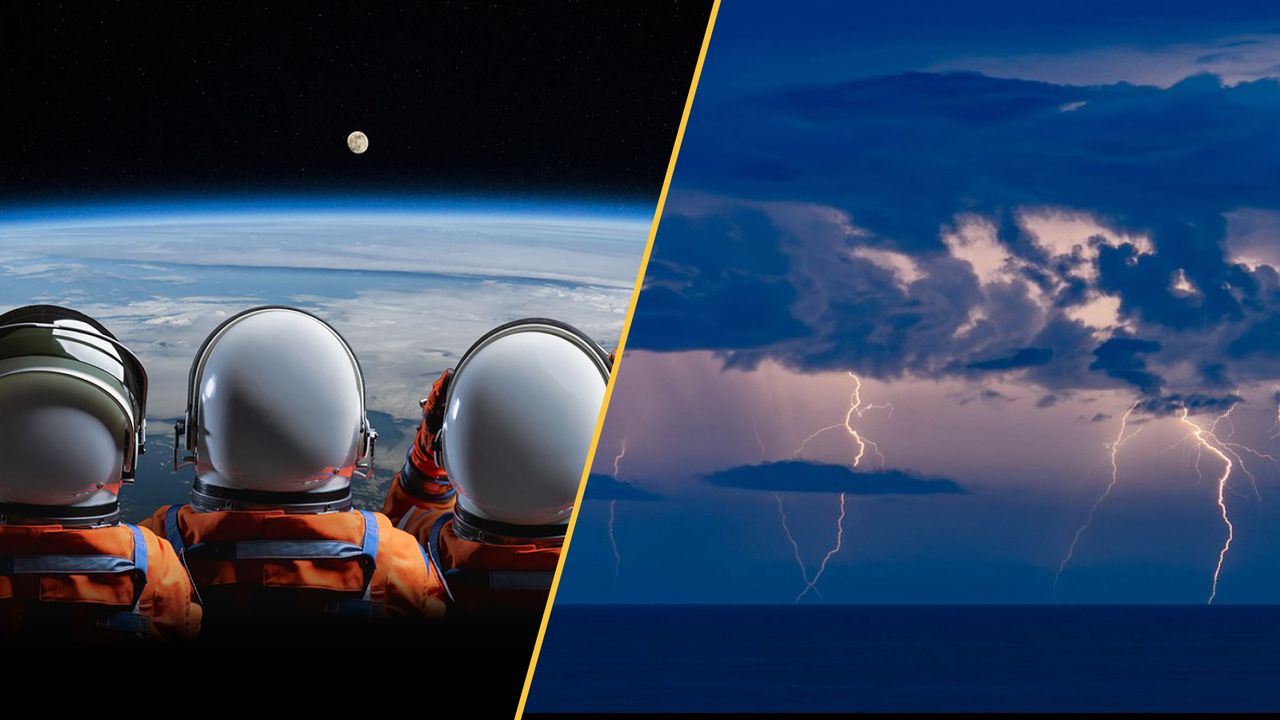
NASA announced the crew assignments for Artemis III, marking the next phase of lunar exploration beyond the Apollo era. The space agency named four astronauts who will return humans to the Moon's surface, continuing its ambitious timeline to establish sustainable lunar operations.
Simultaneously, climate scientists documented the expansion of a cold blob of water spreading across the Atlantic Ocean. This anomaly, characterized by unusually low sea surface temperatures, contrasts sharply with warming trends elsewhere and raises questions about ocean circulation patterns and potential links to freshwater from melting ice sheets.
El Niño conditions have officially arrived, shifting global weather patterns toward their warm phase. This cyclical ocean-atmosphere phenomenon typically triggers wetter conditions in some regions and droughts in others, affecting agriculture, water resources, and extreme weather events worldwide over the coming months.
In a separate development, researchers deciphered a handwritten note from physicist Richard Feynman that had remained forgotten in archives. The recovered document provided insights into Feynman's thinking process and theoretical work, adding to the body of knowledge about one of the twentieth century's most influential scientists.
These developments span Earth science, space exploration, and history of physics. The Artemis III mission represents a continuation of human spaceflight ambitions with concrete crew selections. The Atlantic cold blob emerged as an unexpected climate feature warranting investigation by oceanographers. El Niño's arrival carries immediate practical implications for weather forecasting and agricultural planning across the globe. The Feynman manuscript recovery demonstrates how scientific history remains discoverable in unexpected places, offering researchers fresh material for studying the intellectual foundations of modern physics.
Together, this week's announcements reflect ongoing progress in space exploration, evolving understanding of ocean dynamics, predictable climate cycles affecting billions of people, and continued appreciation for scientific heritage.