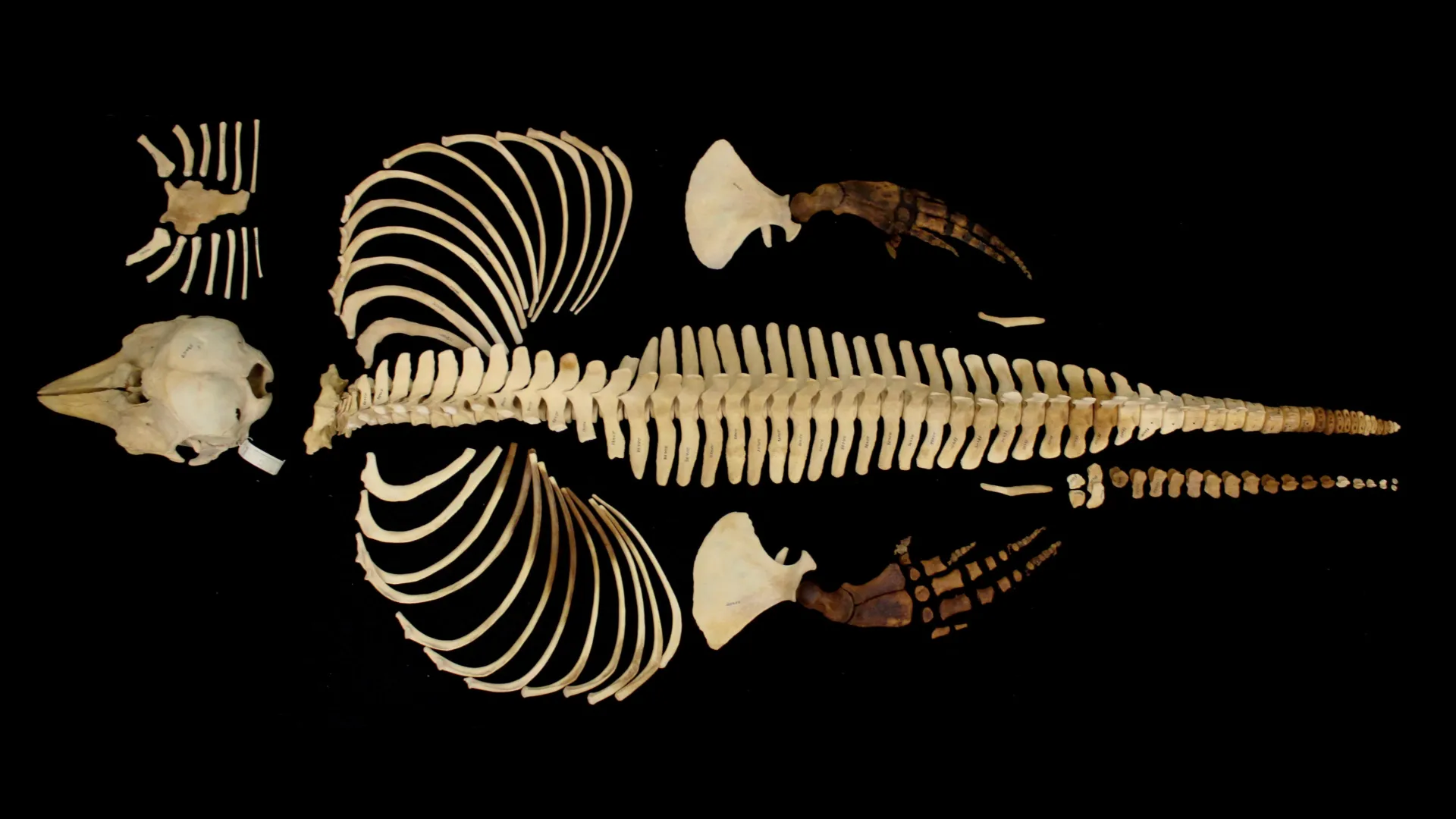
Scientists have created detailed 3D digital models of vaquita skeletons using advanced imaging technology, establishing a virtual archive of the world's most endangered marine mammal. The vaquita, a tiny porpoise found only in Mexico's Gulf of California, numbers fewer than 10 individuals in the wild, making extinction imminent.
Researchers used high-resolution computed tomography scanning to capture skeletal anatomy with precision previously impossible through traditional observation. The resulting 3D models preserve anatomical data that could vanish if the species goes extinct, offering researchers a permanent record of the vaquita's biology.
The digital archive serves multiple purposes. It provides scientists with detailed morphological information for comparative anatomy studies with other porpoise species. The virtual models also enable researchers to study skeletal structure, development, and adaptation without handling fragile physical specimens. Museums and institutions can now access these reconstructions remotely, democratizing research access globally.
This preservation effort acknowledges a harsh reality: the vaquita faces near-certain extinction within years without dramatic intervention. Illegal gillnetting in the Gulf of California, primarily targeting another species called totoaba fish, has devastated the vaquita population. Enforcement challenges and entrenched fishing practices have made conservation through traditional methods inadequate.
The digital lifeline cannot reverse the vaquita's population collapse, but it serves an educational function. High-fidelity 3D models can engage the public and policymakers in ways static specimens cannot. Interactive digital reconstructions help communicate the biological distinctiveness of the species, potentially catalyzing conservation funding and political will.
The archive also documents vaquita biology for posterity. Should extinction occur, future scientists will possess detailed anatomical data enabling them to understand the species' evolutionary adaptations and ecological role, even if living populations disappear. The project represents a sobering shift in conservation strategy, from preventing extinction toward preserving