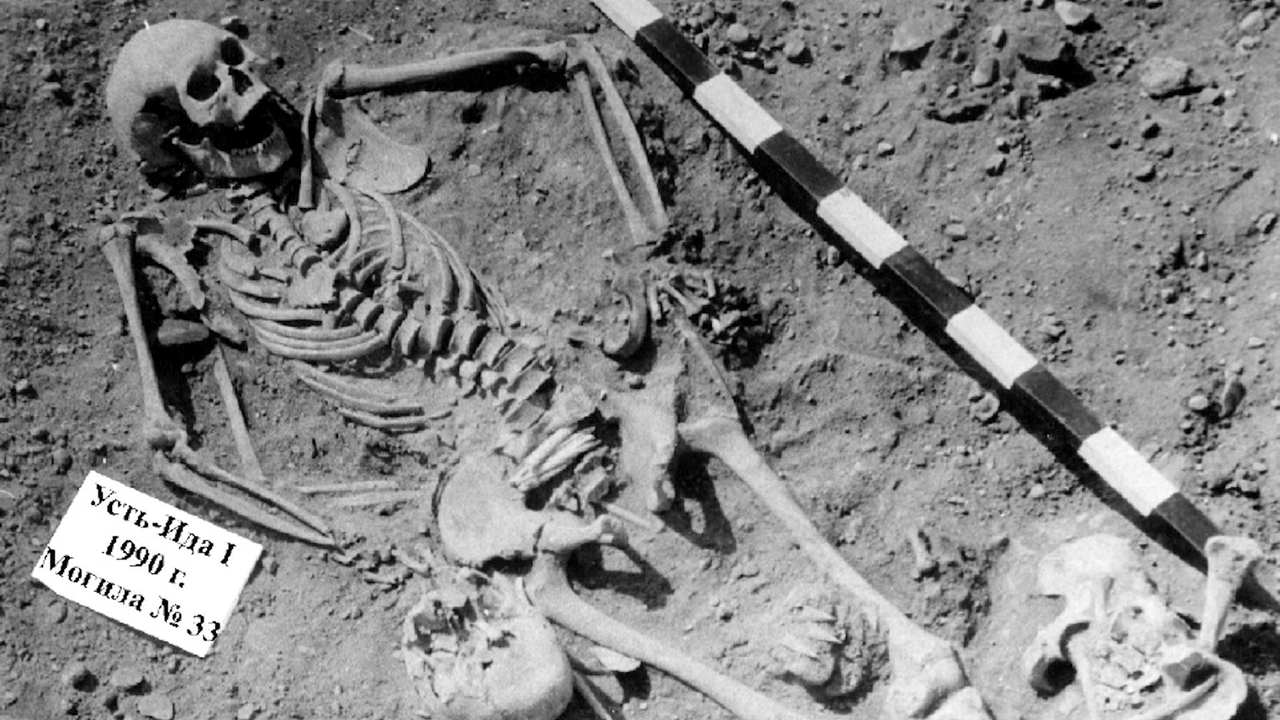
Archaeologists working in Siberia have uncovered the oldest confirmed plague victims on record, dating back 5,500 years to a Bronze Age burial ground. The discovery reveals that Yersinia pestis, the bacterium responsible for plague, killed people far earlier than previously documented and shows signs of genetic features that may have increased its lethality in children.
The research team analyzed ancient DNA extracted from skeletal remains at the burial site, identifying the plague pathogen in multiple individuals. Many of the victims were children, a pattern that stands out in the archaeological record. Genetic analysis of the recovered Yersinia pestis samples revealed the presence of a specific gene that researchers suspect enhanced the disease's ability to infect or harm young people, though the exact mechanism remains under investigation.
This finding pushes back the known timeline of plague by roughly 2,000 years. Previous records indicated the disease emerged around 3,000 years ago, but this Siberian evidence demonstrates that plague circulated among human populations during the Bronze Age, when pastoral and agricultural societies dominated the region.
The discovery carries implications for understanding disease evolution and human-pathogen interactions in prehistoric times. It suggests that plague has long posed a selective pressure on human populations and that the bacterium possessed adaptive strategies even in ancient times. The concentration of child victims hints at age-specific vulnerability factors that ancient plague strains may have exploited.
The burial ground itself provides context for interpreting the findings. The community whose members were interred there appears to have suffered a catastrophic event, possibly a plague outbreak, that claimed multiple lives over a relatively brief period. Careful excavation and dating of the remains have allowed researchers to establish the timeline with reasonable confidence.
The research expands knowledge of plague's deep history and its role in shaping ancient societies. Understanding how the disease affected Bronze Age populations contributes to broader questions about epidemic disease's impact on human civilization before