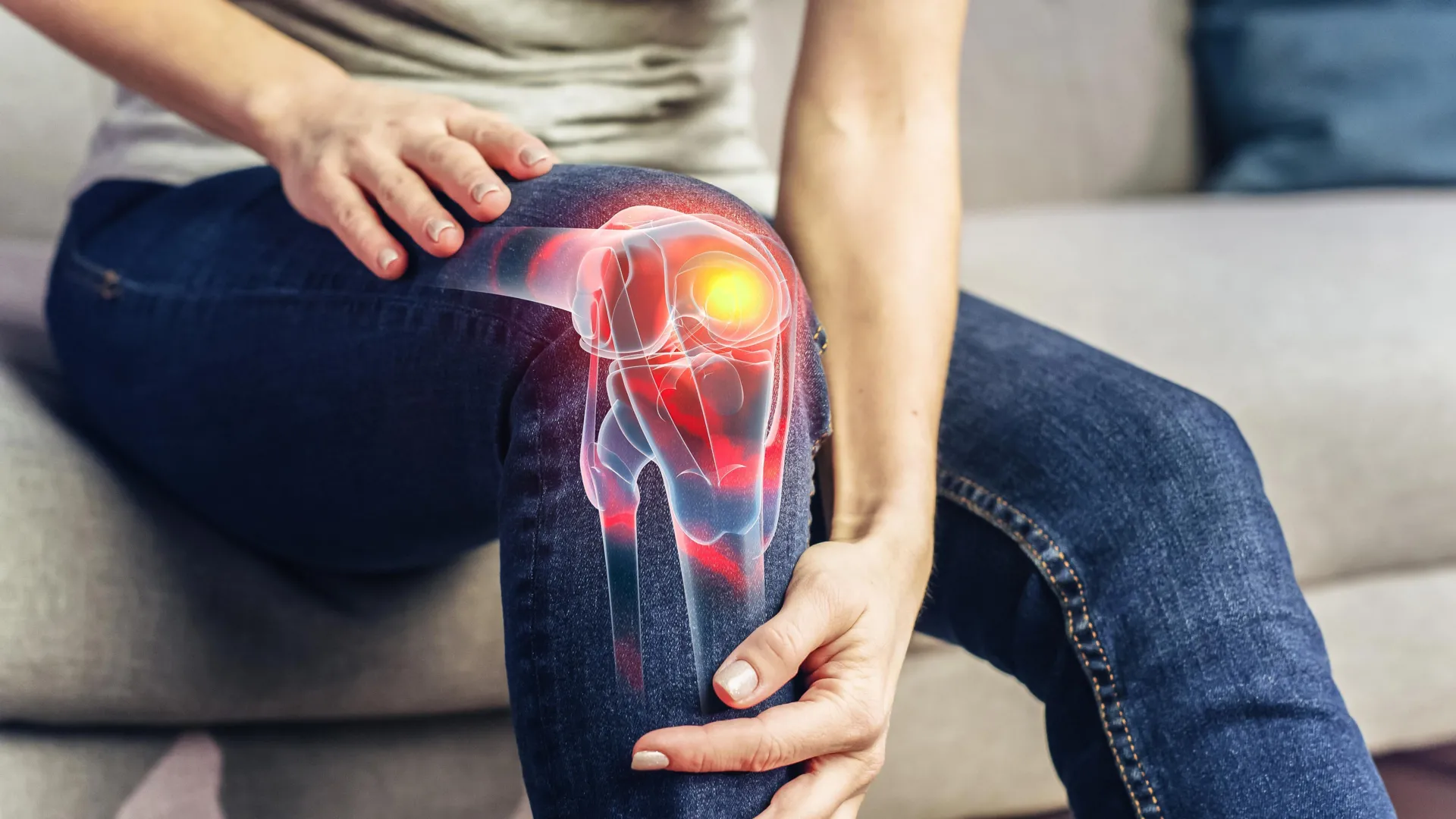
Researchers have developed a minimally invasive procedure that blocks inflammation-driving blood vessels in arthritic knees, offering sustained pain relief for osteoarthritis patients without surgical intervention. The treatment produced significant improvements in pain and joint function that persisted for at least one year following the procedure.
The technique targets abnormal blood vessels that form in osteoarthritic joints and contribute to chronic inflammation. By blocking these vessels, the procedure reduces inflammatory signals that perpetuate joint damage and pain. The intervention sits between conservative treatments like physical therapy and corticosteroid injections on one end, and knee replacement surgery on the other.
Clinical data shows the procedure was safe and highly successful in trial participants. Patients reported meaningful pain reduction and restored mobility, allowing them to resume activities limited by osteoarthritis. The sustained benefit at the one-year mark distinguishes this approach from temporary relief offered by standard injections, which often require repeated administration every few months.
Osteoarthritis affects millions of people worldwide, particularly as populations age. Current management strategies range from lifestyle modifications and anti-inflammatory medications to expensive joint replacement surgeries that carry surgical risks and require lengthy recovery periods. This new procedure addresses a critical gap for patients whose symptoms worsen beyond what conservative treatment provides but who may not yet be candidates for or willing to undergo surgery.
The minimally invasive nature of the technique means reduced recovery time and lower complication rates compared to surgical options. Patients can potentially return to normal activities more quickly than those undergoing knee replacement.
However, researchers should clarify several remaining questions. The mechanism underlying sustained versus temporary relief warrants further investigation. Long-term outcomes beyond one year require documentation. The procedure's effectiveness across different osteoarthritis severity levels needs definition. Cost-effectiveness compared to alternative interventions remains unclear. Patient selection criteria, including which osteoarthritis phenotypes respond best, require refinement.
The treatment shows promise as