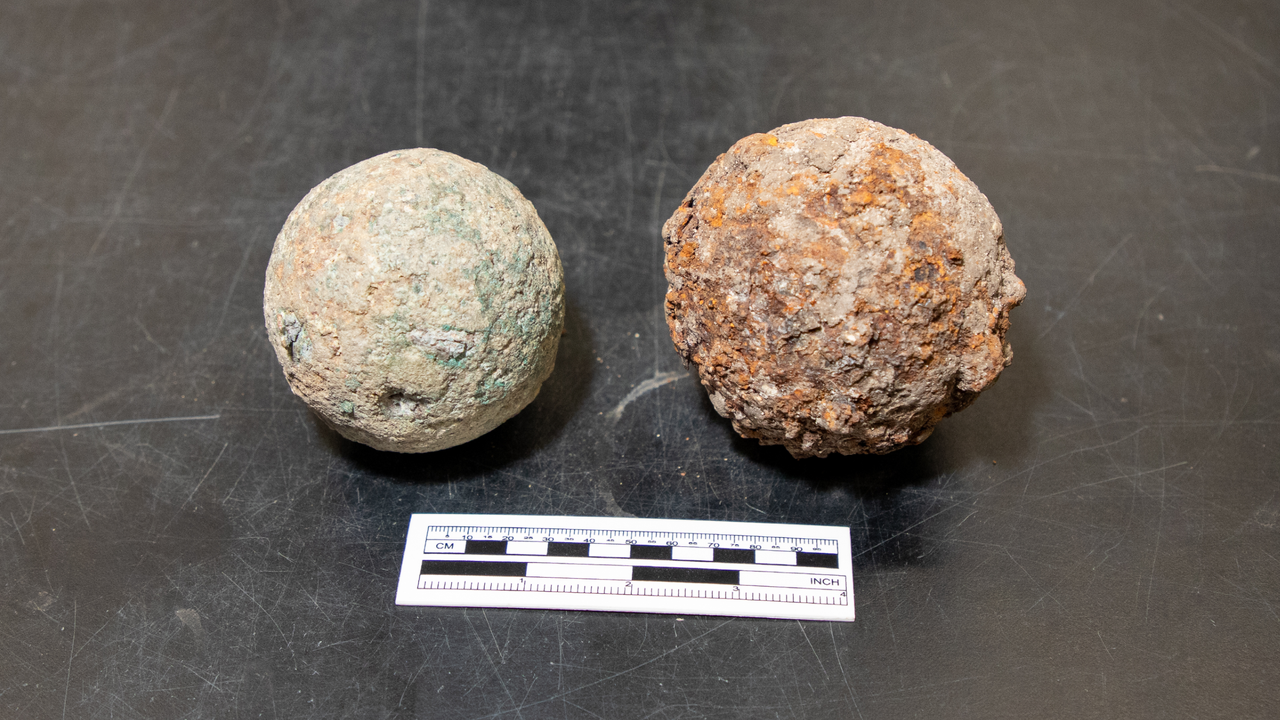
Archaeologists working at the Alamo in San Antonio have uncovered a second cannonball from the 1836 battle, marking a rare find that provides physical evidence from both the Mexican and Texan forces engaged in the siege.
The discovery represents only the second cannonball recovered from the famous battle in nearly 200 years of exploration at the site. Researchers determined this projectile was fired by the Texan defenders, giving them one authenticated cannonball from each opposing side. The first cannonball, discovered previously, came from Mexican artillery.
Cannonballs rarely survive intact through battles and centuries of weathering, making each find valuable for understanding the conflict's material history. The projectile's composition and characteristics allowed archaeologists to establish its origin through ballistic analysis and metallurgical examination.
The Battle of the Alamo occurred during the Texas Revolution when Mexican forces under General Antonio López de Santa Anna besieged the mission-turned-fortress for 13 days in February and March 1836. Approximately 200 Texan defenders and volunteers held the position against roughly 1,500 Mexican soldiers before the final assault. The battle resulted in heavy casualties on both sides and became a defining moment in Texas history.
Artifacts from the siege remain scarce because the battlefield was heavily disturbed after the battle and throughout the 19th century. Most original military artifacts either disappeared, were destroyed, or became scattered. Each genuine item from the 1836 conflict provides direct physical documentation of the engagement.
The Alamo archaeologists employed careful excavation techniques combined with materials analysis to confirm the cannonball's authenticity and origin. These methodologies help distinguish genuine artifacts from pieces of shot that entered the site during later periods or testing fire at the location.
The discovery contributes to ongoing efforts by the Alamo's archaeological team to document the siege through material evidence. Future analysis