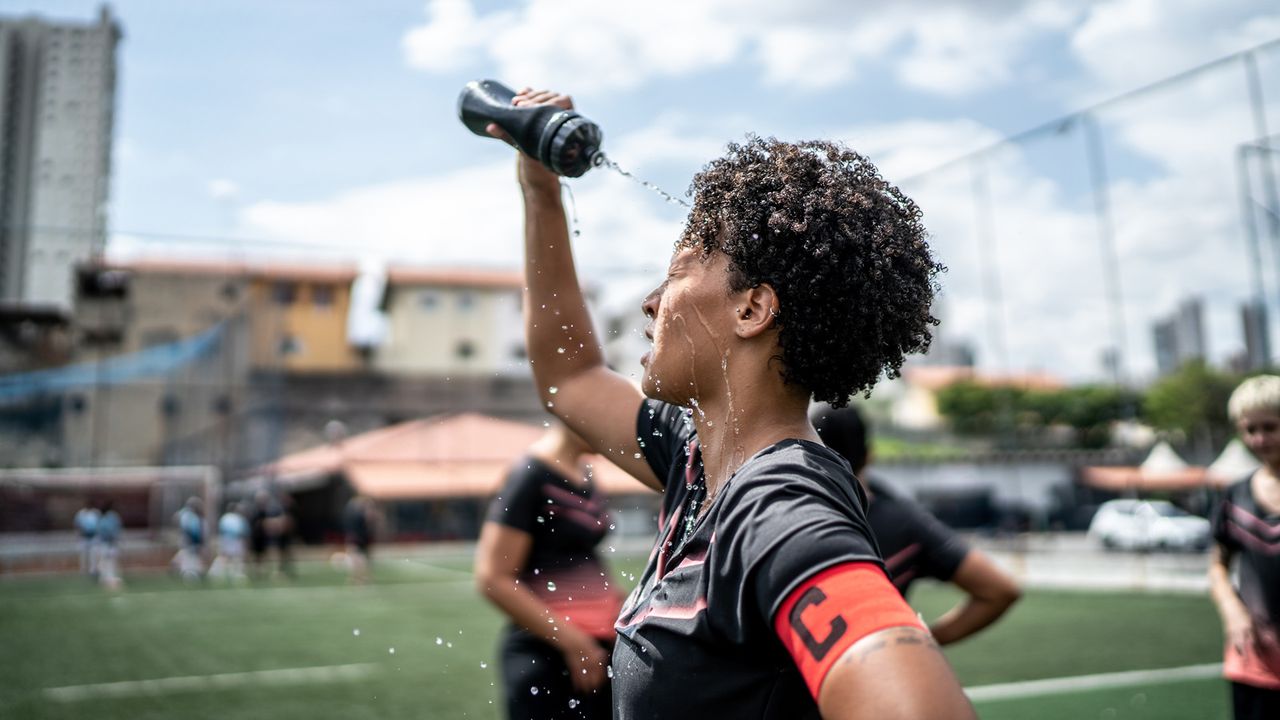
Rising temperatures across the United States are making outdoor physical activity increasingly risky, with heat and humidity combining to impair athletic performance and threaten human health.
Scientists analyzing climate trends have found that heat waves are occurring more frequently and lasting longer than decades past. When temperatures climb and humidity stays high, the human body struggles to cool itself through sweat evaporation. This physiological stress reduces endurance capacity, slows reaction time, and increases injury risk.
Research on thermoregulation shows that athletes face genuine danger when wet-bulb globe temperature—a measure combining heat, humidity, and radiation—exceeds safe thresholds. The American College of Sports Medicine recommends suspending outdoor activity when conditions reach dangerous levels. Yet such conditions are becoming routine in many U.S. regions during summer months.
The problem compounds for vulnerable populations. Children, older adults, and people with cardiovascular conditions cannot regulate body temperature as effectively. Rural communities with fewer air-conditioned facilities face particular exposure. Outdoor workers in construction, agriculture, and landscaping encounter involuntary heat stress during their jobs.
A key limitation of current research involves predicting exactly where and when dangerous heat will emerge. Climate models offer broad projections but cannot reliably forecast specific local conditions weeks or months ahead. Individual response to heat varies based on fitness level, acclimatization, and genetics.
The trend demands practical adaptation. Communities are installing more public cooling centers, implementing heat-alert systems, and adjusting work schedules to avoid peak temperatures. Athletes and fitness enthusiasts increasingly move outdoor training to early morning or evening hours when conditions prove safer.
Some researchers advocate for shifting cultural attitudes toward exercise timing and location. Rather than viewing heat avoidance as weakness, normalizing indoor alternatives or seasonal training adjustments could protect health without abandoning fitness goals. Public health agencies continue developing guidelines to help people exercise safely as climate change reshapes the thermal environment where Americans live and train