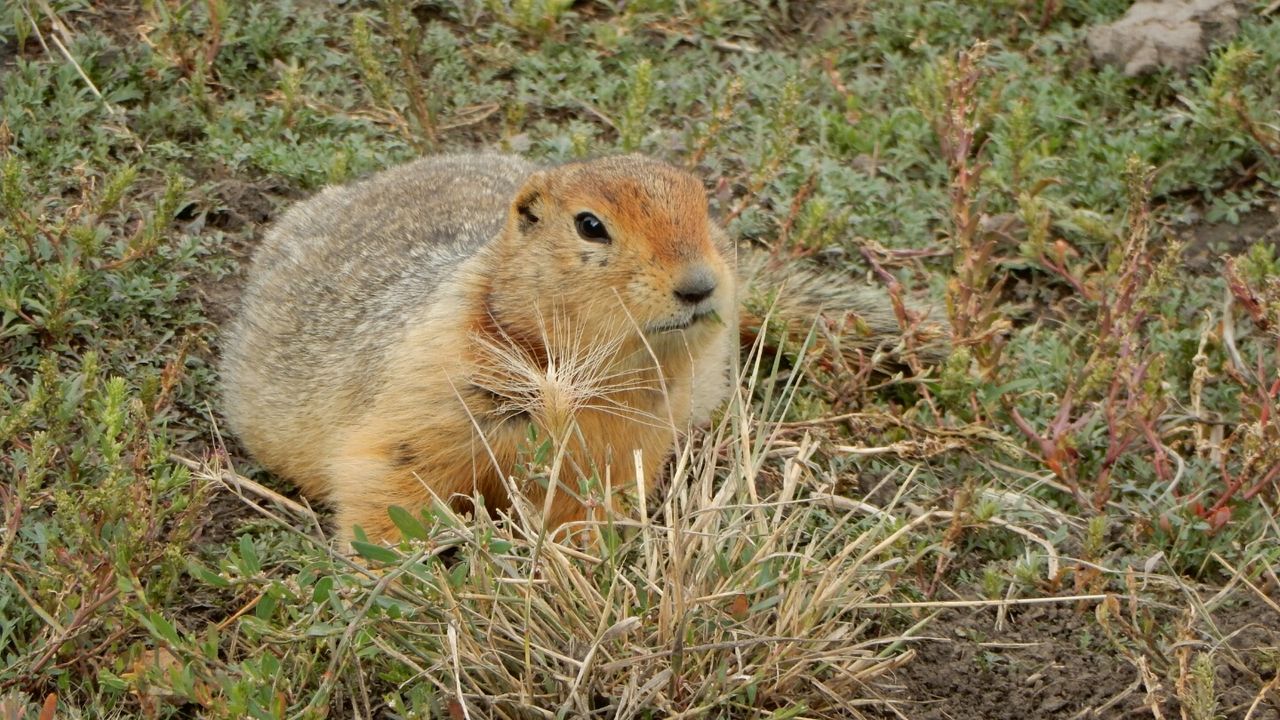
Researchers analyzing ancient squirrel feces from Arctic permafrost have uncovered a genetic time capsule spanning thousands of years of ice-age biodiversity. The fossilized droppings, preserved in frozen ground, contained DNA fragments from mammoths, bison, horses, and large cats alongside plant, microbial, and fungal material.
The squirrel middens, or accumulated droppings, functioned as natural archives of their environment. Small rodents gathered seeds, plants, and other materials for nesting and food storage in protected areas, creating layers of organic matter that reflected the surrounding ecosystem across millennia. When preserved in permafrost, these deposits trapped ancient DNA from countless species the squirrels encountered or consumed.
This approach bypasses traditional paleontology's heavy reliance on skeletal remains and fossils. Rather than requiring entire preserved animals, researchers can extract genetic information from microscopic particles trapped in fecal matter. The technique offers a more complete picture of ancient communities, including smaller organisms and plants that rarely fossilize.
DNA analysis of the squirrel droppings revealed a richer catalog of ice-age fauna than previously documented in that Arctic region. The presence of mammoth DNA alongside bison, horse, and felid genetic material confirms these species coexisted in the same landscape and timeframe. Plant and fungal DNA provides additional context about vegetation patterns and decomposer communities that sustained these megafauna.
Permafrost preservation proves critical for this research. Frozen conditions prevent DNA degradation that would occur in warmer climates, allowing researchers to recover genetic sequences even after millennia. Climate change now threatens these frozen archives as thawing accelerates across the Arctic, potentially destroying irreplaceable paleogenomic data.
The findings expand understanding of ice-age ecosystems and demonstrate how rodent middens can serve as alternative paleogenomic resources.