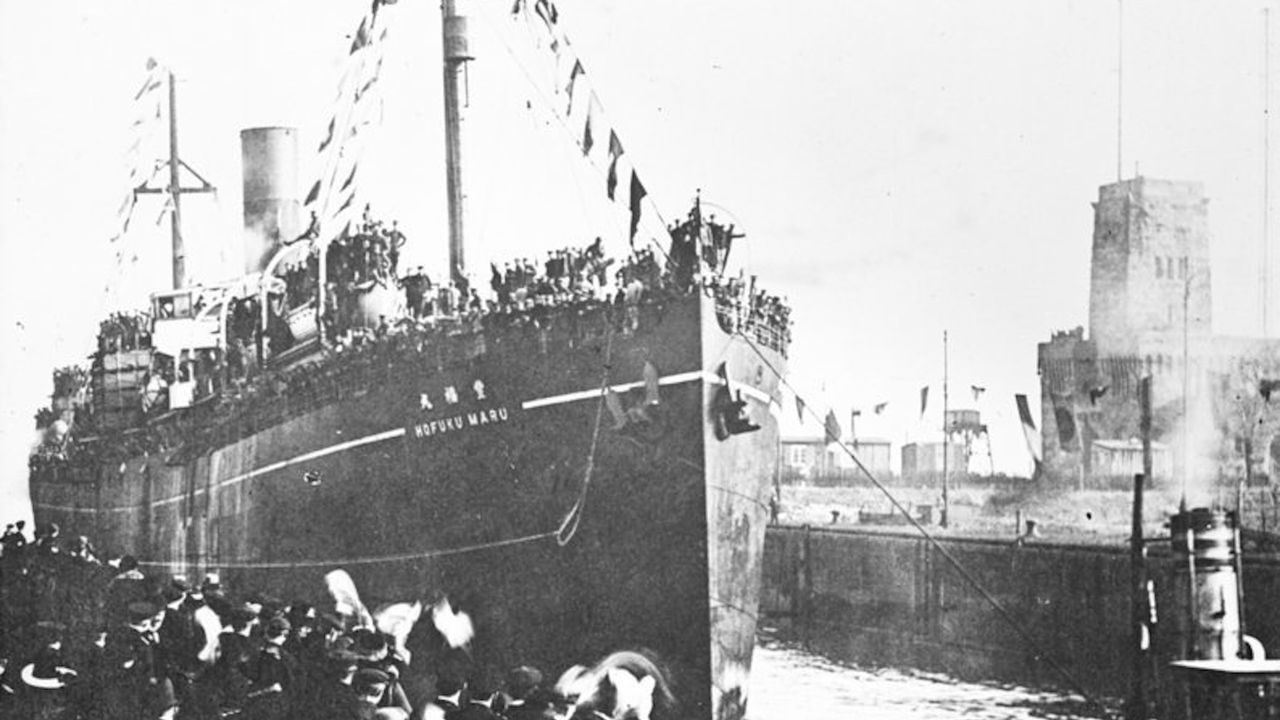
Researchers have located the wreck of the Oryoku Maru, a Japanese transport vessel sunk in December 1944 off Luzon in the Philippines. The ship carried over 1,000 Allied prisoners of war when it was torpedoed, resulting in a catastrophic loss of life.
The Oryoku Maru represents one of the deadliest incidents involving Allied POWs during the Pacific War. Japanese forces used such vessels, termed "hellships," to transport prisoners of war under brutal conditions across the Pacific. The prisoners endured overcrowding, starvation, disease, and minimal medical care during these voyages.
On December 15, 1944, American submarine USS Pampanito torpedoed the Oryoku Maru while it steamed toward Japan. The ship sank within hours. More than 1,000 prisoners, primarily Americans, perished in the wreck or the chaotic evacuation that followed. Survivors who reached nearby islands faced continued hardship as Japanese forces recaptured many and subjected them to further imprisonment and violence.
The discovery of the wreck provides historians with direct archaeological evidence of this tragedy. Locating sunken vessels from World War II remains challenging in the Philippines' complex waters, where numerous wrecks rest on the seafloor. The identification of the Oryoku Maru allows researchers to document the ship's final position and potentially recover artifacts that illuminate the experiences of those who died aboard.
The hellship system remains one of the most brutal episodes in the war's Pacific theater. Of approximately 37,000 Allied POWs transported on such vessels, roughly 10,600 perished. The conditions aboard these ships, combined with the dangers of submarine warfare, created a mortality rate that exceeded even land-based POW camps.
The Oryoku Maru's discovery