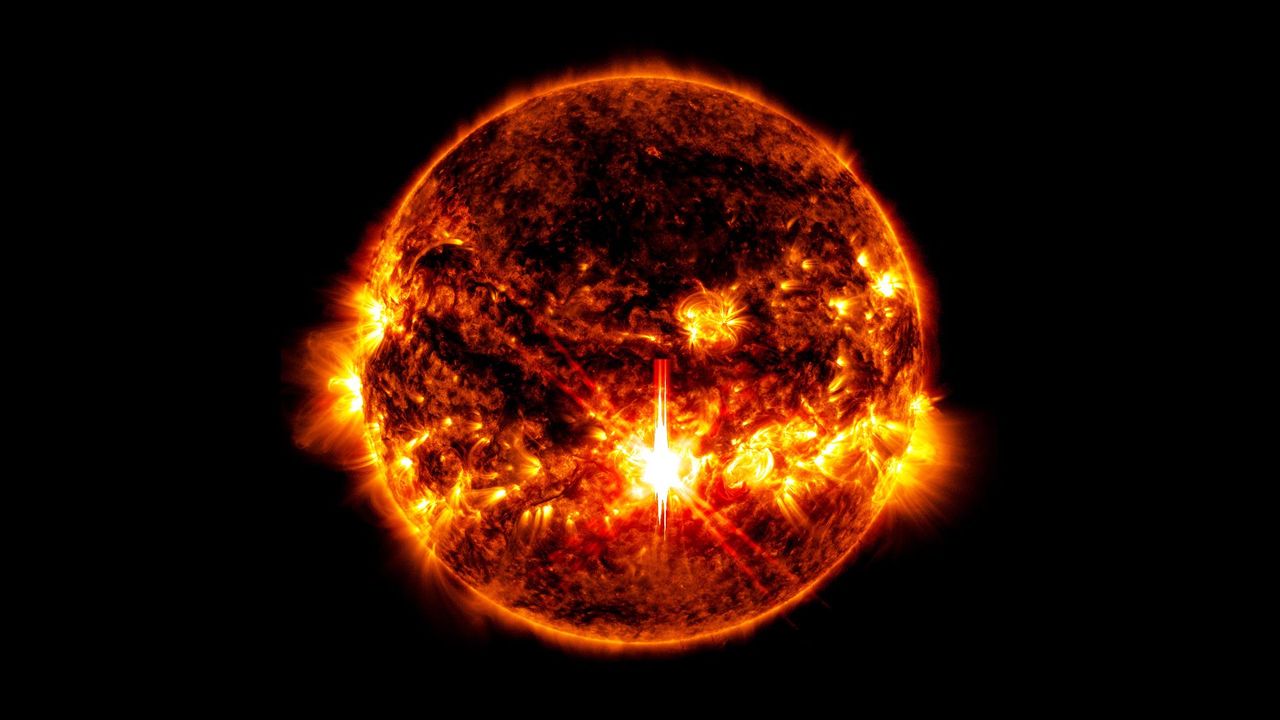
Researchers detected unusual patterns on the Sun's surface just hours before it unleashed an X9-class solar flare, one of the most powerful types of solar eruptions. The discovery offers a new window into predicting extreme space weather events that can disrupt power grids, satellites, and communications systems on Earth.
The findings emerged from analysis of solar imagery captured before the flare occurred. Scientists observed distinct changes in the Sun's magnetic structure and surface activity that preceded the eruption. The precise nature of these precursors surprised the research team. One investigator stated, "I was not expecting what I found," indicating the changes deviated from established models of solar flare development.
X-class flares rank at the top of the solar flare scale, with X9 events representing near-maximum intensity. These eruptions release enormous amounts of electromagnetic radiation and accelerated particles into space. When directed toward Earth, they trigger geomagnetic storms capable of generating billions of dollars in damages to infrastructure.
Current space weather forecasting relies primarily on monitoring active solar regions and magnetic field configurations. However, predicting the exact timing and intensity of flares remains difficult. The newly identified precursor signals could sharpen forecasting accuracy by providing earlier warning windows. Better predictions would allow utilities and space agencies to take protective measures, such as powering down sensitive equipment or repositioning satellites.
The research team plans to examine additional historical flare events to determine whether these precursor patterns consistently appear before major eruptions. If the patterns prove reliable across different events, they could become standard features in operational forecasting models. The work demonstrates that careful examination of existing solar observation data continues to reveal insights overlooked in previous analyses.
Space weather forecasting directly affects national infrastructure and economic security. Improving prediction capabilities represents a practical application of solar physics research with tangible consequences for modern society. The next major solar maximum cycle approaches in the coming years, making enhanced forecasting