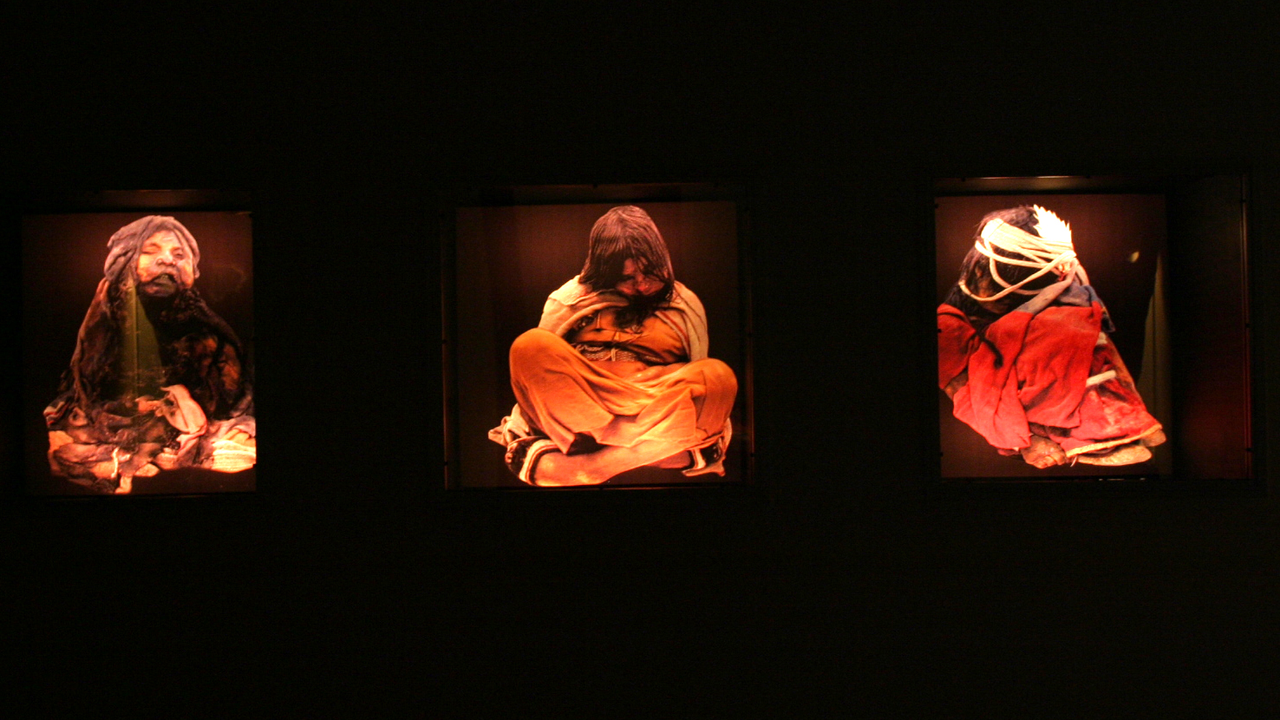
Researchers analyzing plant remains found with three sacrificed children on a snow-capped Andean volcano have determined the children died during the reign of Inca emperor Inca Tupac Amaru II, one of the empire's final rulers. The discovery suggests their deaths served political rather than purely religious purposes.
The study examined corn, cassava, and coca plants buried alongside the child mummies on the volcano. By analyzing the isotopic composition of these plants, scientists could pinpoint when the children were sacrificed. The botanical evidence pointed to the late 16th century, a turbulent period when Spanish conquistadors were destabilizing Inca rule.
The research team concluded that Inca Tupac Amaru II likely ordered the sacrifices to consolidate power during a time of imperial collapse. The practice of child sacrifice, known as capacocha, held deep religious significance in Inca culture. However, these particular sacrifices appear to have been timed strategically to reinforce the emperor's authority as his grip on the empire weakened.
The findings challenge the assumption that all Inca sacrifices were purely ceremonial acts disconnected from political calculation. Instead, they reveal how Inca rulers weaponized religious practice to achieve temporal goals. By presenting the sacrifices as offerings to the gods during a time of crisis, Inca Tupac Amaru II signaled his continued divine favor and legitimacy even as Spanish forces closed in.
The volcano sacrifices represent some of the highest-altitude human burials ever discovered in the Andes. The extreme preservation conditions at elevation allowed plant material to survive five centuries essentially intact, providing rare archaeological evidence of the final years of Inca civilization. This window into capacocha practices offers insights into how pre-Columbian empires balanced religious tradition with political necessity during their final moments of independence.