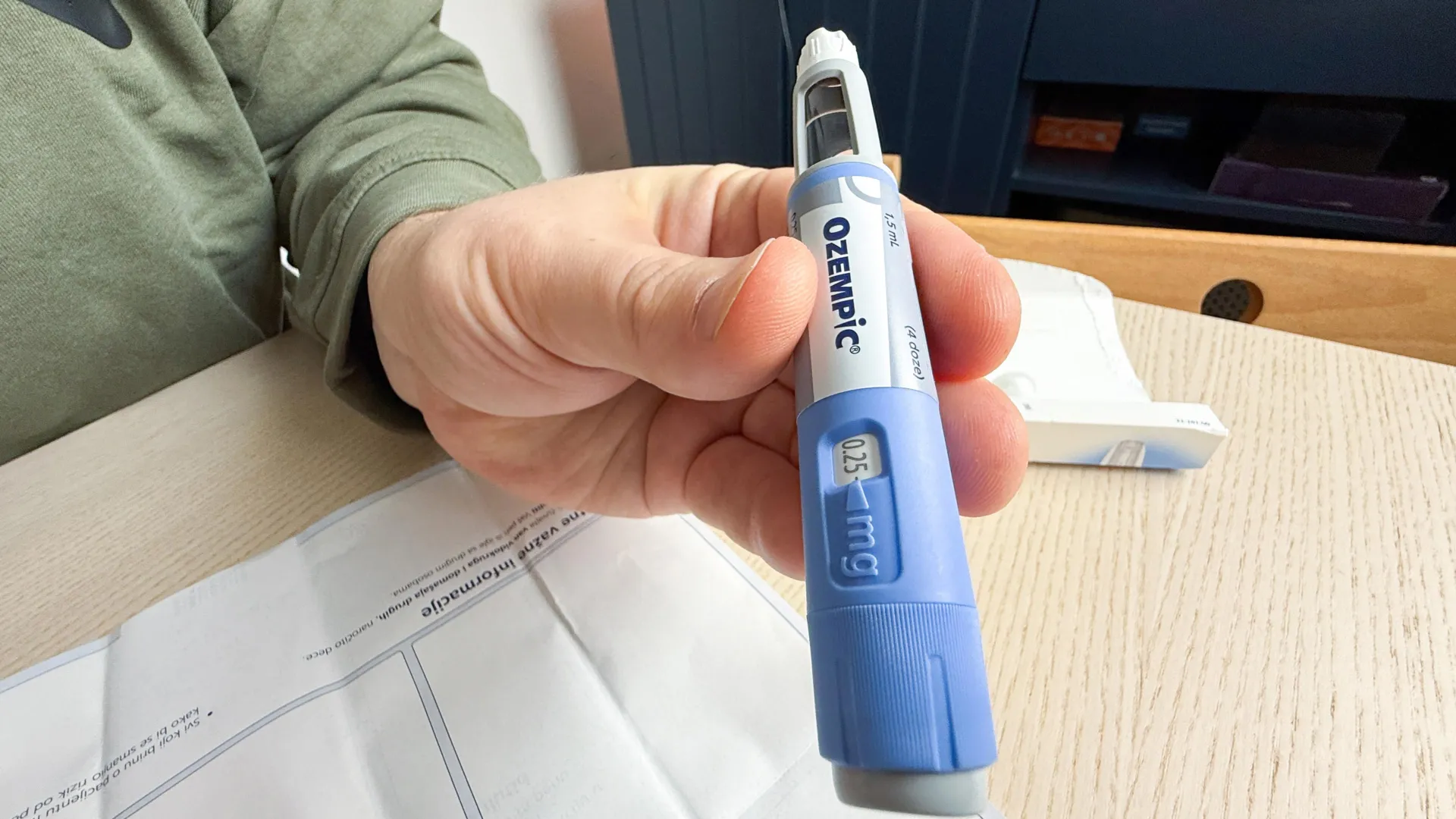
People stopping GLP-1 drugs like Ozempic often restart treatment later, according to recent research on medication adherence patterns. The finding reveals that discontinuation of these diabetes medications does not permanently end their use for many patients.
GLP-1 receptor agonists treat type 2 diabetes and obesity by slowing gastric emptying and reducing appetite. Common versions include semaglutide (Ozempic, Wegovy), liraglutide (Victoza), and tirzepatide (Zepbound). These drugs have become widely prescribed, but patient compliance remains inconsistent.
The research tracked discontinuation and reinitiation patterns among people prescribed these medications. Newer formulations appeared to improve persistence on therapy compared to earlier versions. Patients who stopped taking the drugs often resumed them months or years later, suggesting that temporary interruptions do not necessarily reflect permanent abandonment.
Side effects drove most discontinuations. Gastrointestinal issues, nausea, and vomiting represent common adverse reactions prompting patients to quit. Some patients experience these effects strongly enough to outweigh the metabolic benefits. Others may discontinue due to cost, difficulty with injection administration, or insufficient glucose control.
The reinitiation pattern suggests several dynamics. Patients stopping due to side effects may tolerate them better after a break. Others might restart when motivated by worsening blood sugar or weight gain. Healthcare provider recommendations and insurance coverage changes also influence restarting decisions.
Newer GLP-1 formulations demonstrated better long-term adherence than earlier medications. This likely reflects improved tolerability profiles or dosing schedules that reduce adverse effects. Longer-acting versions require less frequent administration, potentially improving persistence.
The research underscores that medication discontinuation represents a nuanced process rather than simple non-compliance. Understanding when and why patients restart treatment helps clinicians identify support