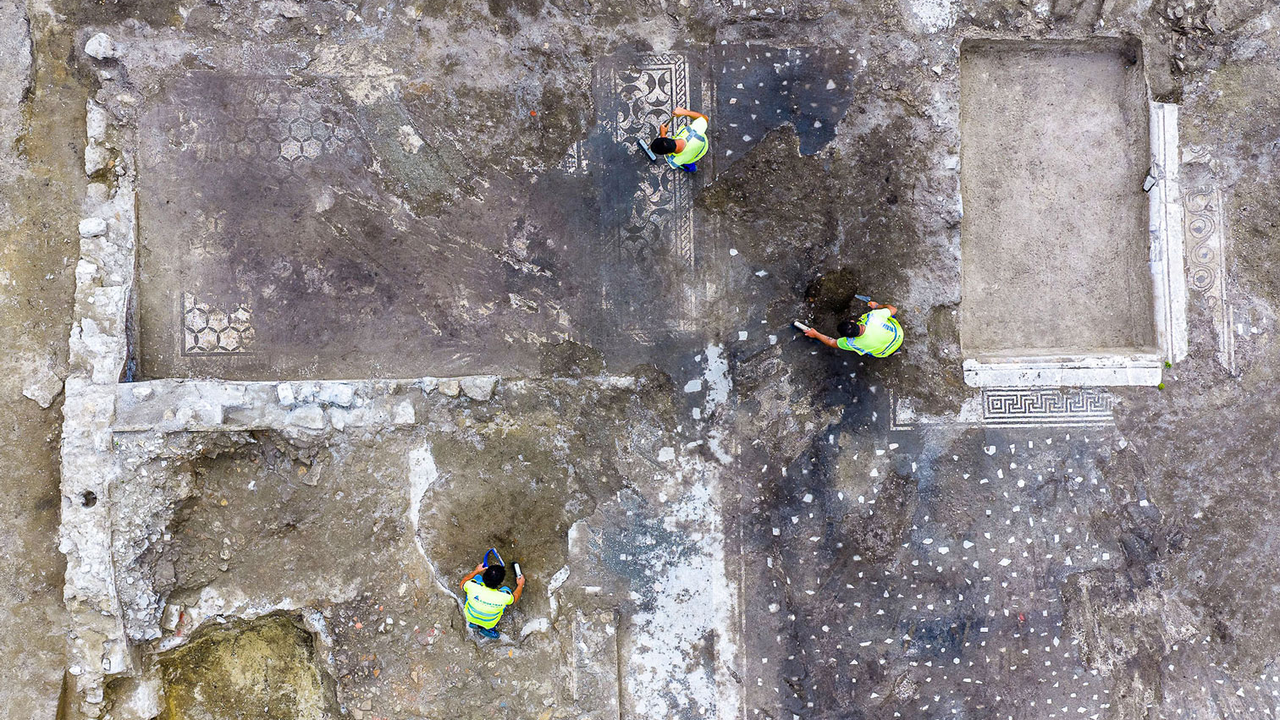
Archaeologists have uncovered a lavish Roman villa outside the city walls, unearthed through illegal excavation work in a region where emperors Hadrian, Antoninus Pius, and Marcus Aurelius spent time two thousand years ago. The discovery suggests the structure may have hosted these powerful rulers during their visits to the countryside.
The villa emerged from clandestine digging in an area known to have been a retreat destination for Roman emperors during the 2nd century. Its location in this imperial leisure zone indicates it held significant status and wealth. The architecture and artifacts recovered from the site reflect the opulence typical of structures built to accommodate or entertain the empire's highest-ranking officials.
Illegal excavation, while destructive to archaeological context, sometimes brings hidden sites to light. This villa's emergence through unauthorized digging created an opportunity for legitimate archaeologists to study and properly document the structure before it suffered further damage. The excavation has allowed researchers to examine the villa's construction, layout, and contents in detail.
The property's proximity to Rome yet outside the city's defensive walls suggests it served as a rural retreat, consistent with the behavior of wealthy Romans who maintained multiple residences. The emperors mentioned, particularly Hadrian and Marcus Aurelius, were known patrons of architecture and regularly traveled to secondary properties throughout the empire. Hadrian famously designed and expanded numerous villas, while Marcus Aurelius documented his philosophical reflections during travels.
Understanding the villa's specific connections to imperial visits requires further analysis of inscriptions, coins, pottery, and other artifacts recovered during excavation. Such details help establish whether the property belonged to an imperial family member, a wealthy beneficiary of imperial favor, or someone who simply aspired to imperial aesthetics in their private residence.
The discovery adds to the growing archaeological record of Roman suburban luxury, revealing how the empire's elite networks of properties extended beyond the capital