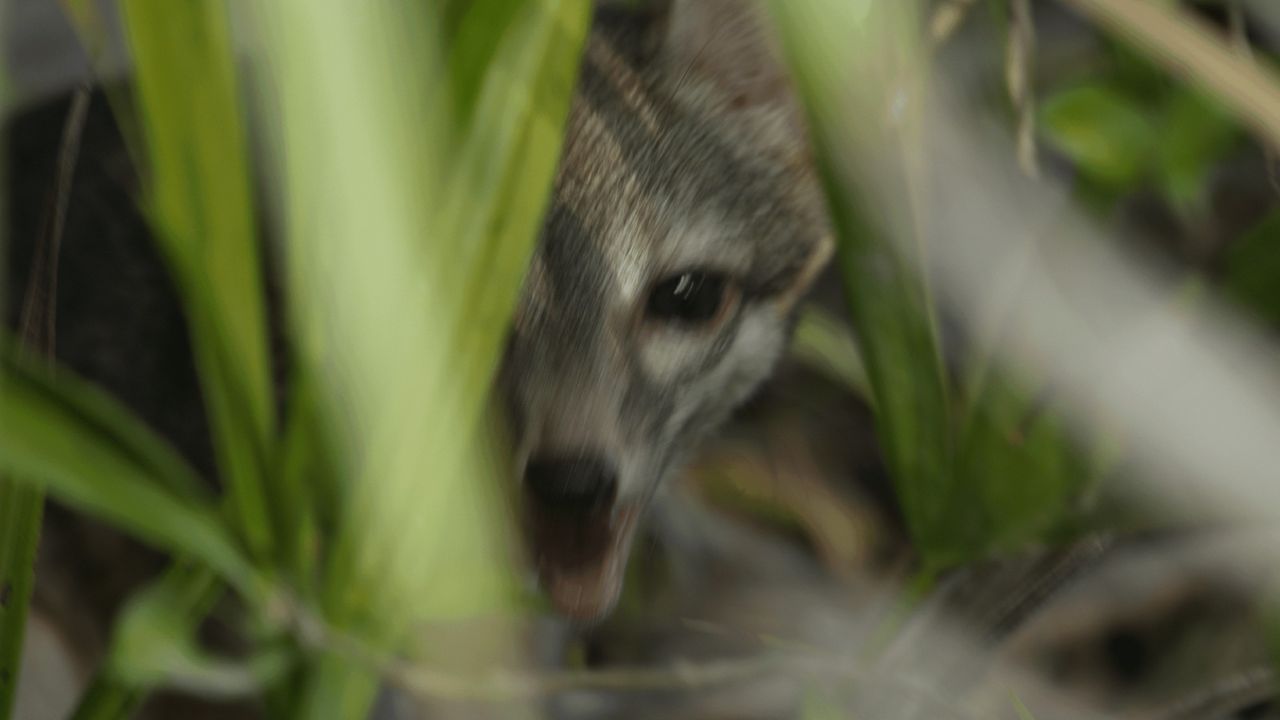
Researchers have documented the first photographic evidence that the Cozumel fox, a small predator once feared extinct, survives on the island of Cozumel off the Yucatán Peninsula in Mexico. The discovery, recorded through camera traps, confirms the species persists in the wild after decades without confirmed sightings.
The Cozumel fox is endemic to Cozumel Island, meaning it exists nowhere else in the world. Scientists had grown increasingly concerned about the species' survival as human development expanded across the island and natural habitat dwindled. The lack of recent observations fueled extinction fears among wildlife experts monitoring the population.
Camera trap technology deployed across the island captured the first definitive photographic evidence of living Cozumel foxes. These automated cameras triggered by motion provide non-invasive documentation of wildlife presence. The images confirm that breeding populations still exist on the island, though in limited numbers.
The research team did not specify the number of foxes observed or provide detailed population estimates. However, the photographs establish that conservation efforts targeting the species remain necessary and worthwhile. Habitat loss from tourism development and urbanization continues to threaten the remaining population.
The Cozumel fox faces additional pressures from introduced predators and competition with feral dogs on the island. The species typically weighs between 1.6 and 2.6 kilograms, making it one of the world's smallest fox species. Its small range and isolated island population make it particularly vulnerable to environmental changes and human activity.
Conservation organizations working in the region now have photographic confirmation to support funding requests and habitat protection initiatives. The discovery underscores the importance of remote camera monitoring for detecting elusive species in remote or developed areas. Additional research will assess population size, breeding success, and habitat requirements to inform long-term protection strategies.
The findings highlight how species presumed