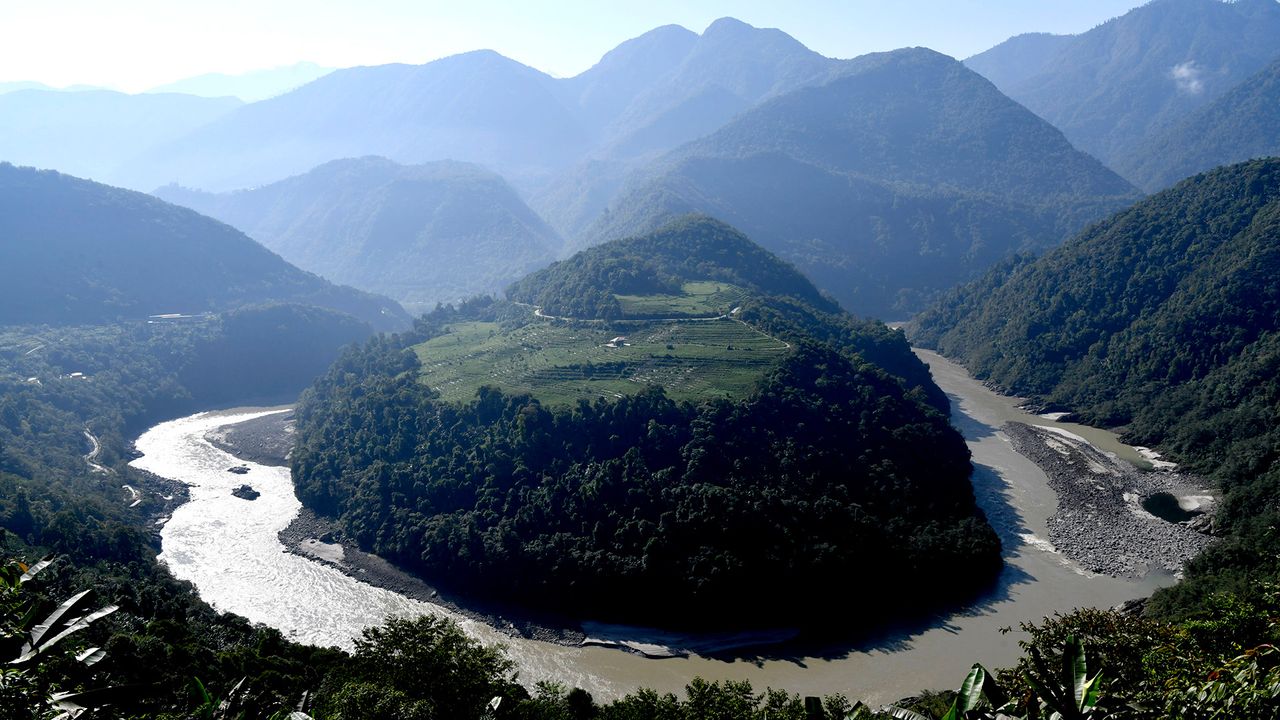
China is constructing a massive hydroelectric dam complex in Tibet's earthquake-prone Yarlung Tsangpo region that will produce more electricity annually than the entire United States generates. The project represents an unprecedented engineering undertaking, but engineers, seismologists, and environmental scientists warn of catastrophic risks for downstream communities across Tibet, India, and Bangladesh.
The dam system will harness the Yarlung Tsangpo River, one of Asia's most powerful waterways. Once completed, it will surpass the Three Gorges Dam, currently the world's largest hydroelectric facility by capacity. Chinese state media has promoted the project as a renewable energy solution to meet the country's growing power demands while reducing carbon emissions.
However, the location creates extraordinary hazards. The Yarlung Tsangpo region sits on the boundary between the Indian and Eurasian tectonic plates, making it one of Earth's most seismically active zones. Major earthquakes strike regularly. The 2008 Wenchuan earthquake in nearby Sichuan province killed nearly 70,000 people. A similar event near this dam could trigger catastrophic structural failure, releasing enormous volumes of water downstream.
Engineers acknowledge the seismic risk but contend modern construction techniques can withstand major tremors. Chinese officials emphasize the dam's economic benefits and grid stability advantages. Critics counter that no engineering design can eliminate the threat of a massive earthquake in a region where tectonic forces remain fundamentally unpredictable.
Downstream consequences extend far beyond Tibet. A catastrophic collapse would devastate communities in India's Arunachal Pradesh state and Bangladesh. The dam also raises international tensions over water rights and environmental management of shared river systems, particularly with India, which views the project with concern.
Environmental impacts include ecosystem disruption, altered seasonal water flows affecting agriculture downstream, and displacement of local populations. Scientists debate whether the renewable energy