# Should You Wash Rice Before Cooking? Science Weighs In
Rice reaches more than half the world's population every day, yet a basic question divides home cooks: does it need washing?
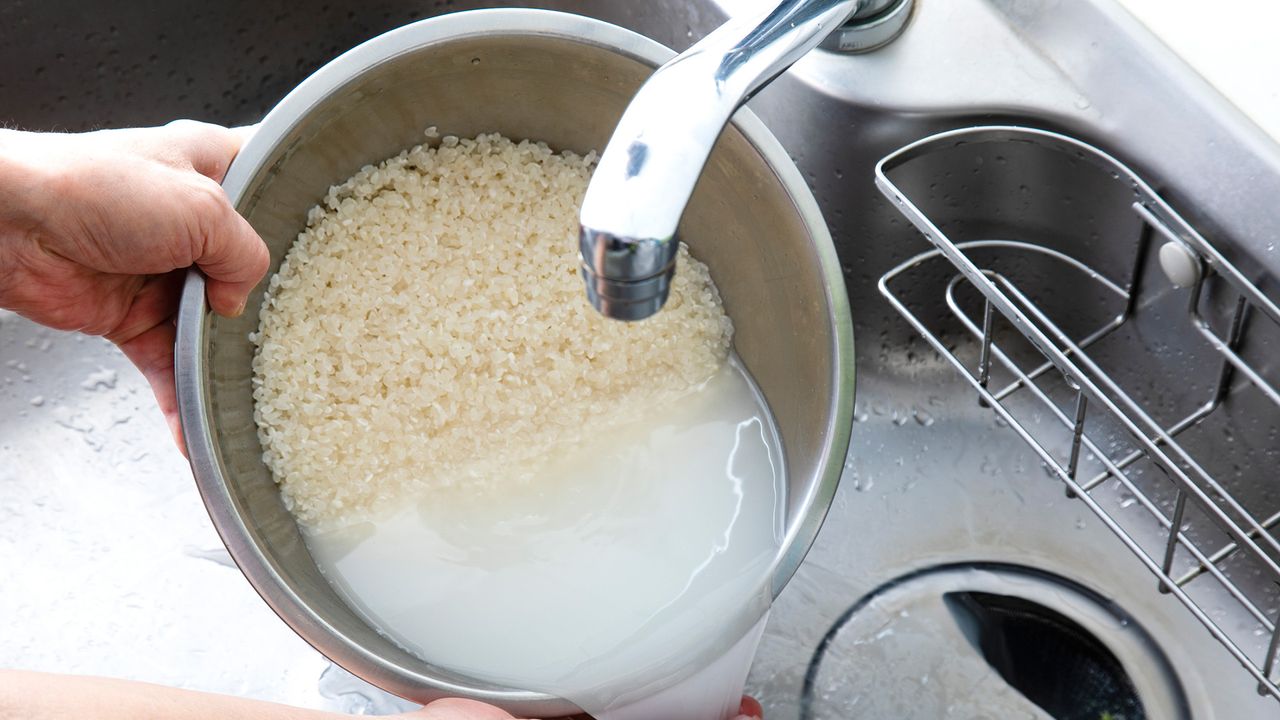
The answer depends on the rice type and your priorities. Most rice contains surface starch, dust, and debris from processing and storage. Rinsing removes these particles, producing fluffier, less clumpy cooked rice with better texture. This explains why many Asian cuisines traditionally wash rice before cooking.
However, washing also removes added nutrients. Many manufacturers fortify white rice with iron, niacin, and other vitamins to compensate for losses during milling. Rinsing strips away these added micronutrients, a concern in regions where fortified rice provides essential nutrition for vulnerable populations.
Food safety presents another consideration. Uncooked rice can harbor bacteria like Bacillus cereus, which causes food poisoning. Cooking to proper temperatures kills these pathogens, but washing does not eliminate bacterial spores. Both washed and unwashed rice are safe when cooked thoroughly.
Brown rice benefits more from rinsing than white rice. The bran layer contains oils that can become rancid during storage, and rinsing removes off-flavors and improves texture. Arborio and other risotto rices should not be washed, as the starch layer is essential for creating their characteristic creamy texture.
The practical outcome: rinsing rice is optional for safety but improves texture and reduces starch content. If you wash rice, you lose added micronutrients and should compensate through diet or supplementation. If you skip washing, your rice may be stickier but retains fortification benefits.
The choice reflects personal preference, regional tradition, and dietary context. People in developing nations relying on fortified rice may benefit from skipping the