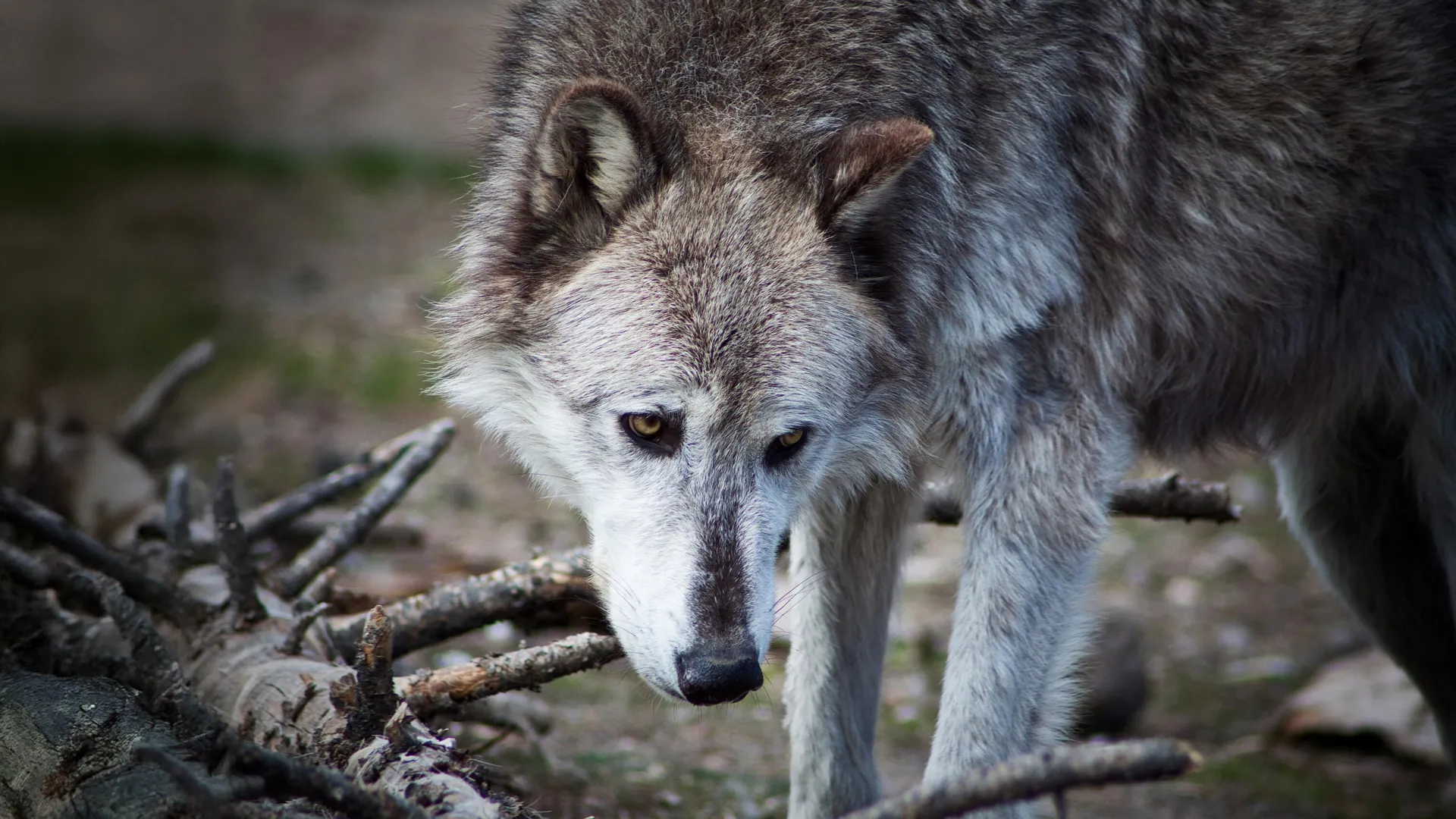
Yellowstone's iconic wolf reintroduction in 1995 prompted one of conservation's most famous narratives: that predators triggered a "trophic cascade" that fundamentally reshaped the park's ecosystem. The story went that wolves killed elk, reducing herbivory pressure on willows, which then rebounded across the landscape. This concept became textbook material for explaining how apex predators stabilize ecosystems.
A new reanalysis challenges this widely accepted account. Researchers found the original studies supporting the trophic cascade claim employed methodological flaws that exaggerated wolves' ecological footprint. The team reexamined data on willow recovery and discovered no evidence for a dramatic, park-wide surge in growth as previously claimed.
The flawed methods appear to have involved selective sampling locations and improper statistical approaches that amplified the effect size. When corrected, the data reveal willow responses were smaller and geographically patchy rather than uniform across Yellowstone. Some areas showed recovery while others did not, complicating the neat narrative of cause and effect.
This finding does not erase wolves' ecological importance at Yellowstone. Wolves did reduce elk populations and alter their behavior, affecting vegetation dynamics. But the magnitude and scale of these effects appear more modest and heterogeneous than the celebrated cascade story suggested.
The reanalysis matters because it shapes how conservation policy targets resources. If trophic cascades are weaker than advertised, resource managers may need to rethink which interventions produce the most ecological benefit. The work also highlights how influential studies, even those published in respected venues, can embed systematic biases that persist unchallenged for decades.
The original research was not fraudulent but reflected the limitations of ecological field studies. Long-term monitoring is expensive and complicated. Researchers make choices about where to sample and which statistical tests to apply. These decisions, made