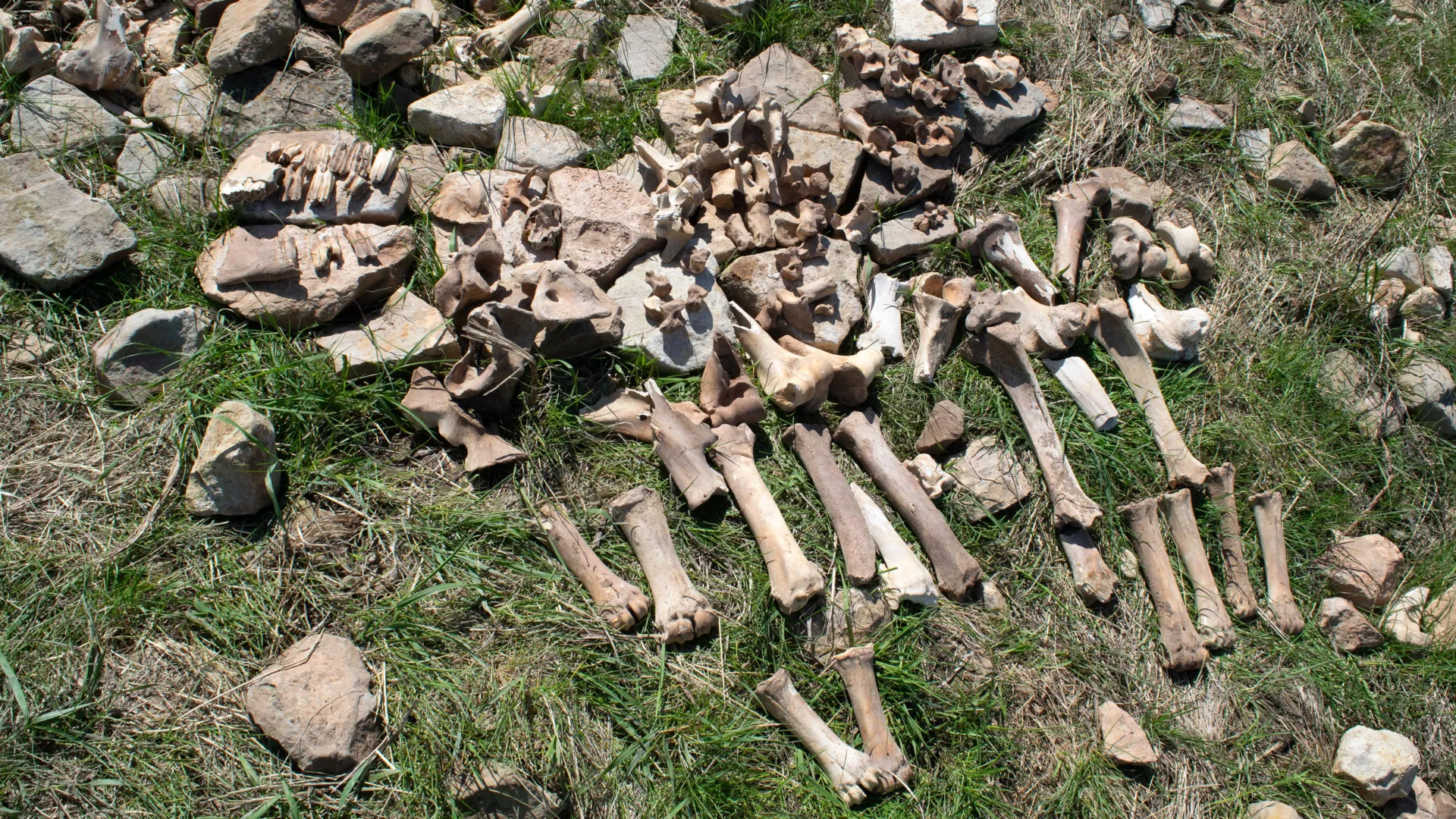
Researchers have solved a 1,100-year-old archaeological puzzle about why Indigenous hunters abruptly abandoned a bison processing site in central Montana despite the animals remaining plentiful in the region.
The site saw intensive use for roughly 700 years before hunters stopped visiting around 1300 CE. Scientists identified recurring, decades-long droughts as the primary driver of abandonment. These extended dry periods reduced water availability, making it impractical to process the large volumes of bison meat that the site once handled.
The research reveals how climate shaped Indigenous hunting strategies across centuries. As droughts persisted, water scarcity became a critical bottleneck. Processing bison on a large scale requires substantial water for cleaning hides, tools, and meat. Without reliable water access, the site lost its utility regardless of animal abundance.
Simultaneously, hunting groups were reorganizing their operations. They shifted toward larger, more coordinated expeditions that demanded dependable resources and specialized locations. The abandoned site no longer fit this new economic model. Groups needed processing centers positioned near guaranteed water sources and capable of handling the scale their expanded operations generated.
The findings underscore how Indigenous peoples adapted their subsistence strategies to environmental constraints over generations. Rather than simply following available prey, hunters optimized their infrastructure and logistics around resource reliability. Climate variability did not eliminate bison from Montana's landscape, but it did eliminate the conditions that made one particular location valuable for processing them.
The study demonstrates the sophistication of pre-Columbian resource management. Indigenous communities were not passive hunters following herds randomly. They maintained detailed knowledge of seasonal water patterns, coordinated group sizes with environmental capacity, and modified their practices when conditions changed. The 700-year occupation period itself reflects this planning, suggesting hunters carefully chose this site based on understanding its seasonal and long-term utility.
This research adds nuance to narratives about Indigenous land use. Archaeological sites