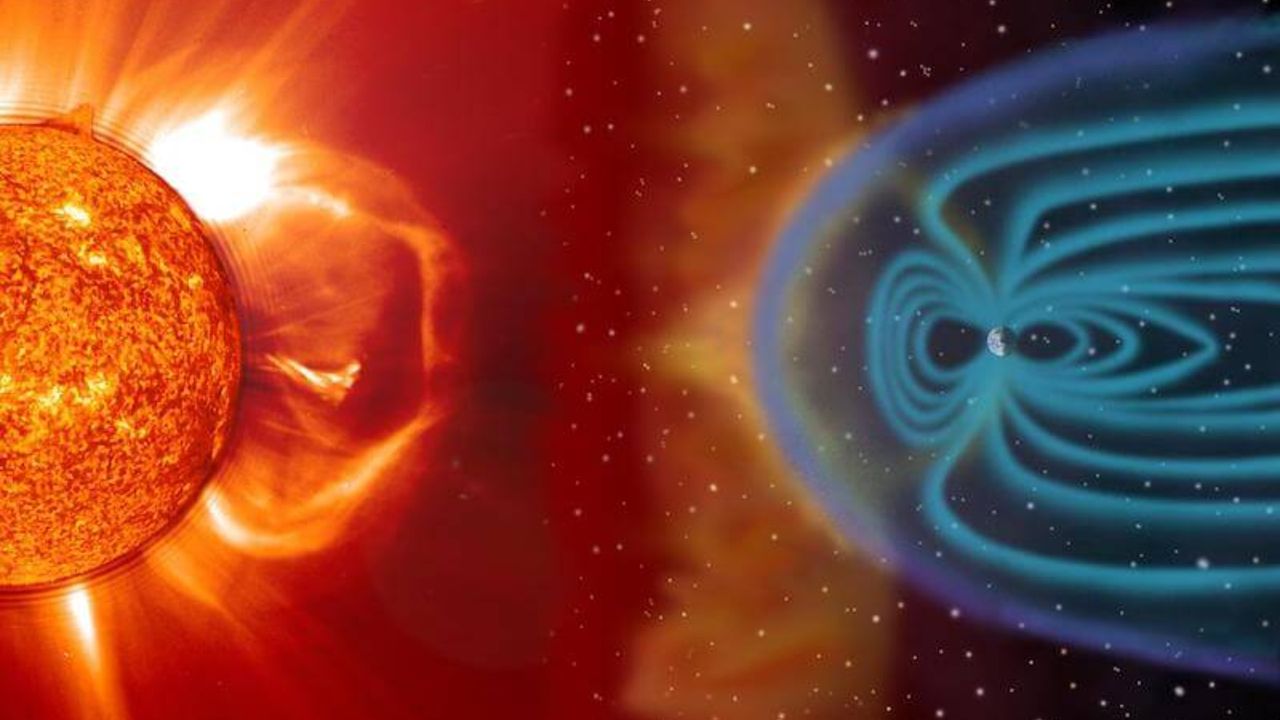
Researchers have proposed deploying a spacecraft-based system that would actively reinforce Earth's magnetic field to shield the planet from destructive solar storms. The concept aims to strengthen the magnetosphere, the region of space where Earth's magnetic field dominates, by introducing charged particles or plasma into the upper atmosphere.
Solar storms, triggered by coronal mass ejections from the sun, release enormous bursts of energy and charged particles toward Earth. These events pose significant risks to power grids, satellites, and communication infrastructure. The 1859 Carrington Event, one of the most powerful recorded solar storms, caused widespread disruptions to telegraph systems. A similar storm today would potentially cause trillions of dollars in damage to modern technological infrastructure.
The proposed geoengineering approach represents an unconventional response to space weather threats. Rather than relying solely on defensive measures like hardened power grids and satellite shielding, the system would proactively modify Earth's magnetosphere itself. The spacecraft would position itself strategically in space and emit chemical compounds or plasma to enhance the planet's natural magnetic deflection capabilities.
This proposal builds on decades of research into magnetospheric physics and space weather forecasting. Scientists recognize that Earth's magnetic field already provides substantial natural protection, deflecting most solar wind particles away from the atmosphere. The reinforcement system would amplify this existing defense mechanism during critical periods when powerful storms approach.
However, the proposal faces substantial technical and ethical challenges. Deploying such a system requires overcoming significant engineering obstacles related to spacecraft reliability, positioning, and the precise timing of chemical releases. The long-term environmental consequences of introducing materials into Earth's upper atmosphere remain poorly understood. Scientists also caution that unintended consequences could arise from manipulating such a complex, dynamic system.
The concept remains largely theoretical. Researchers acknowledge that additional study is necessary before any practical implementation becomes feasible. Space weather experts continue developing improved forec