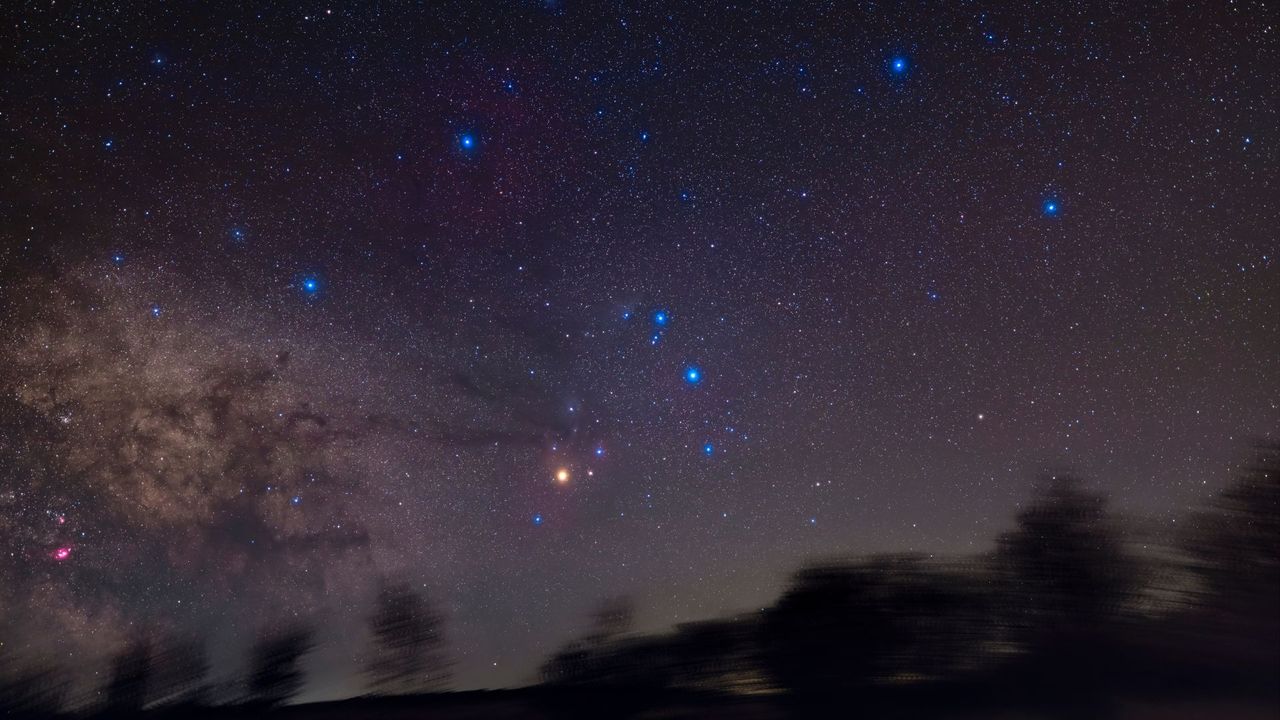
The new moon on June 14, 2026, will create ideal stargazing conditions for observing Mercury, Venus, and Jupiter, according to Space.com. With minimal lunar interference, the nights around this date offer exceptional visibility of these bright planets and nearby constellations.
A new moon occurs when the moon passes between Earth and the sun, leaving the night sky dark and free from lunar glare. This absence of moonlight amplifies the visibility of fainter celestial objects, making it the optimal time for planet spotting. The late spring sky positioning during mid-June places these three planets in favorable locations for naked-eye observation.
Venus remains Earth's brightest natural object in the night sky aside from the moon, making it easily visible even in light-polluted areas. Mercury, typically harder to spot due to its proximity to the sun, becomes more accessible during new moon periods. Jupiter, the solar system's largest planet, shines prominently and serves as a reliable reference point for locating nearby celestial features.
During the new moon window, observers should look toward the western and southwestern horizon after sunset for the best planetary views. The reduced sky brightness extends the time available for observation, as planets remain visible slightly longer without lunar interference.
This June 2026 event follows the traditional astronomical pattern where new moons consistently provide superior conditions for deep-sky observation and planet tracking. Amateur astronomers and casual observers alike benefit from these predictable windows, which occur monthly but vary in quality based on planetary positions and seasonal atmospheric conditions.
No special equipment is required to view these planets during the new moon period. Binoculars or a small telescope can enhance the experience but remain optional for initial observation. Clear skies and minimal cloud cover present the primary requirements for successful stargazing.