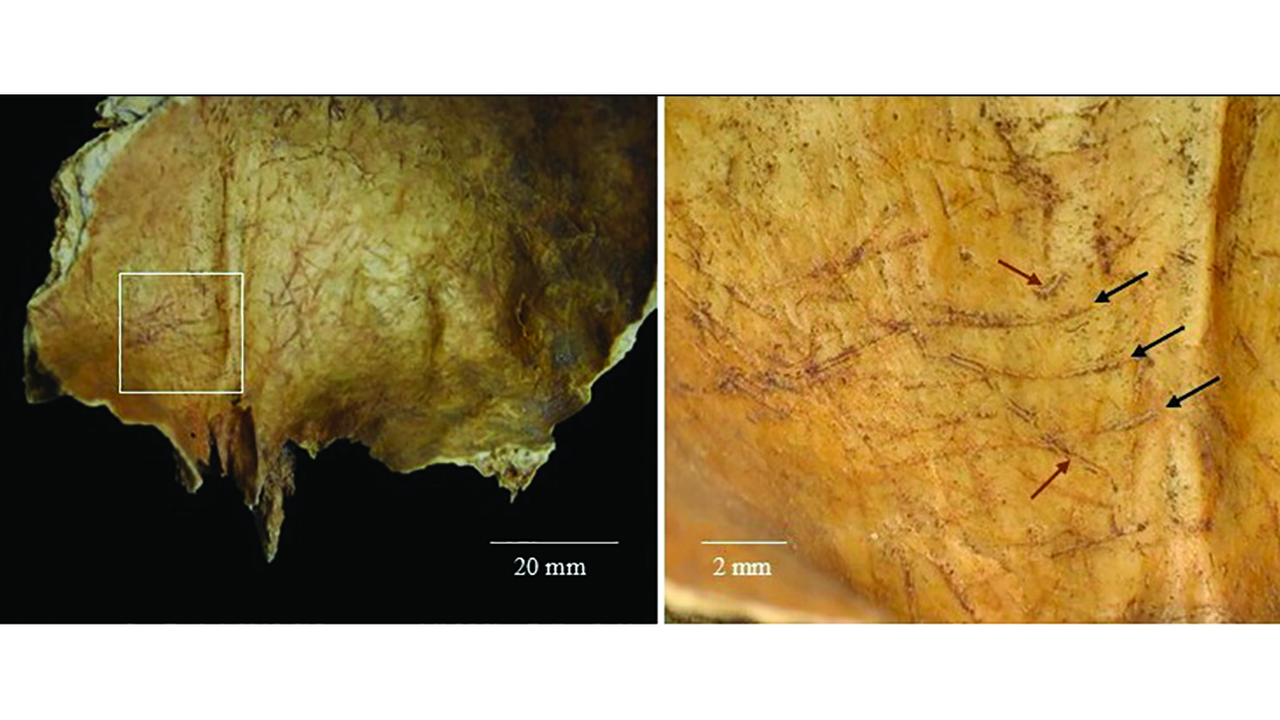
Archaeologists studying 2,000-year-old remains from northern Scotland have uncovered evidence of a macabre funeral practice. The skeletal analysis reveals that mourners removed the brains from corpses and repurposed arm bones into functional tools.
The discovery emerges from detailed examination of Iron Age burials, a period when such mortuary rituals held deep cultural significance. The researchers identified specific modifications to the skeleton that indicate deliberate extraction of brain tissue post-mortem. This practice stands apart from typical burial customs documented elsewhere in Britain during the same era.
The arm bones show clear evidence of intentional shaping and use-wear patterns consistent with tool manufacture. Rather than disposing of the bones, community members transformed them into implements, possibly for domestic or ceremonial purposes. This dual manipulation of the deceased suggests complex beliefs about death, the body, and the continuation of physical matter into functional forms.
Archaeological evidence of brain removal surfaces rarely in the archaeological record. When documented, it typically accompanies other unusual mortuary behaviors or ritual contexts. The Scottish discovery adds to a small but growing body of evidence suggesting that prehistoric communities engaged in sophisticated and varied treatment of the dead.
The specific motivations behind this practice remain unclear. Researchers propose several possibilities. The ritual could reflect beliefs about spiritual transformation or represent a way to honor the deceased by incorporating their physical remains into tools used by the living. Alternatively, the practice might connect to broader cultural symbolism about the transition between life and death.
The burial location in northern Scotland places this ritual within the broader context of Iron Age Britain, when elaborate grave goods and body manipulation appear in various forms across different regions. This particular practice, however, distinguishes the northern Scottish community as distinct in their mortuary customs.
The analysis contributes to understanding the diversity of funeral rituals in prehistoric Britain and demonstrates that communities developed highly specific and localized approaches to death management. Further study of similar burials in the