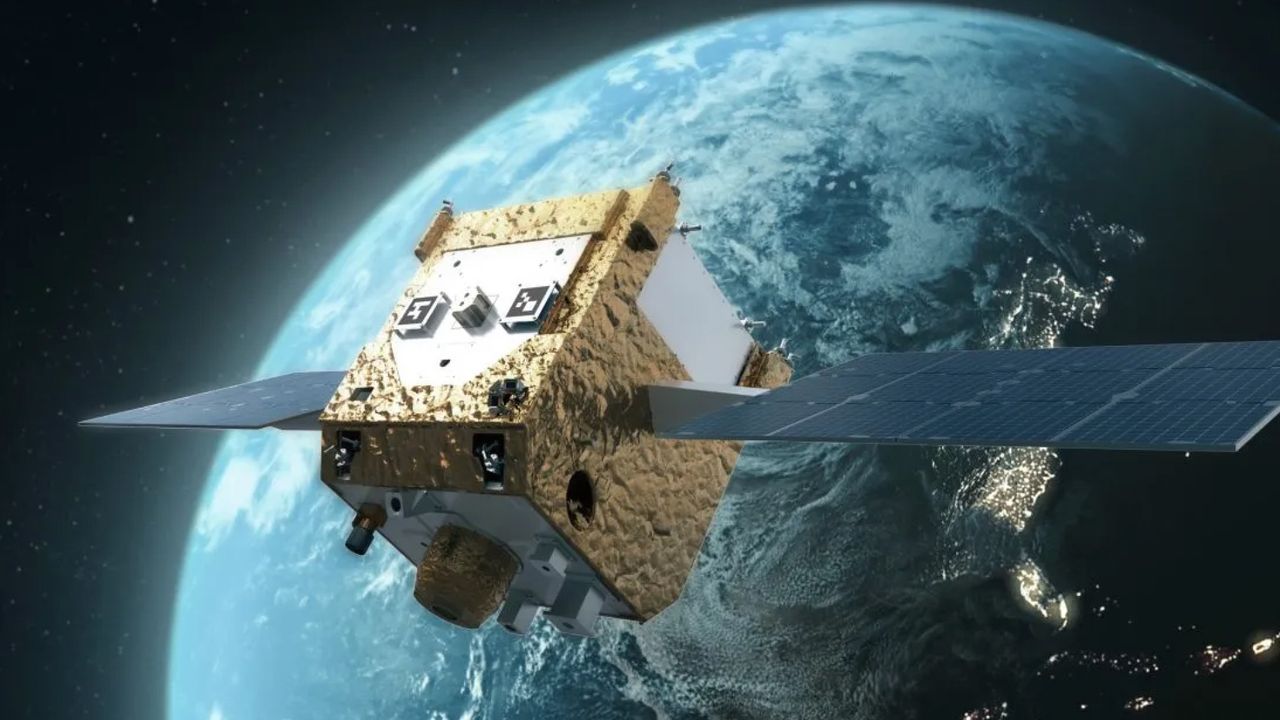
The US Space Force is developing orbital warehouses, a concept designed to enhance military space infrastructure ahead of two planned 2027 missions testing advanced spacecraft maneuvering capabilities. These orbital depots would function as in-space storage and servicing facilities, allowing military spacecraft to refuel, resupply, and conduct maintenance without returning to Earth.
The motivation stems from operational necessity. Current military space assets face logistical constraints that limit their range and mission duration. By positioning warehouses in orbit, the Space Force can extend deployment timelines and increase flexibility for rapid-response operations. The 2027 test missions will evaluate whether spacecraft can reliably dock with, maneuver around, and extract resources from orbital stations.
This initiative reflects broader shifts in military space strategy. The Space Force has emphasized resilience and distributed operations, moving away from single high-value satellites toward networks of smaller, more replaceable assets. Orbital warehouses support this vision by reducing dependence on ground infrastructure and enabling satellites to remain operational longer.
The technical challenges are substantial. Spacecraft must demonstrate precision docking procedures, autonomous navigation near depots, and reliable fluid transfer systems in the microgravity environment. The 2027 demonstrations will test these capabilities under realistic conditions, with goals of validating propellant transfer, spare parts management, and maintenance protocols.
Commercial space industry parallels exist. Companies like Axiom Space and Orbital Refueling Corporation pursue similar depot concepts for civilian missions. However, military orbital warehouses carry unique requirements for security, autonomy, and rapid deployment.
The concept also prepares the Space Force for contested environments. In a conflict scenario where ground infrastructure becomes compromised, orbital logistics networks ensure space operations continue. This represents a fundamental shift from Earth-dependent systems to self-sufficient orbital architecture.
Success in 2027 would validate a new operational paradigm for military spaceflight. Rather than launching fully