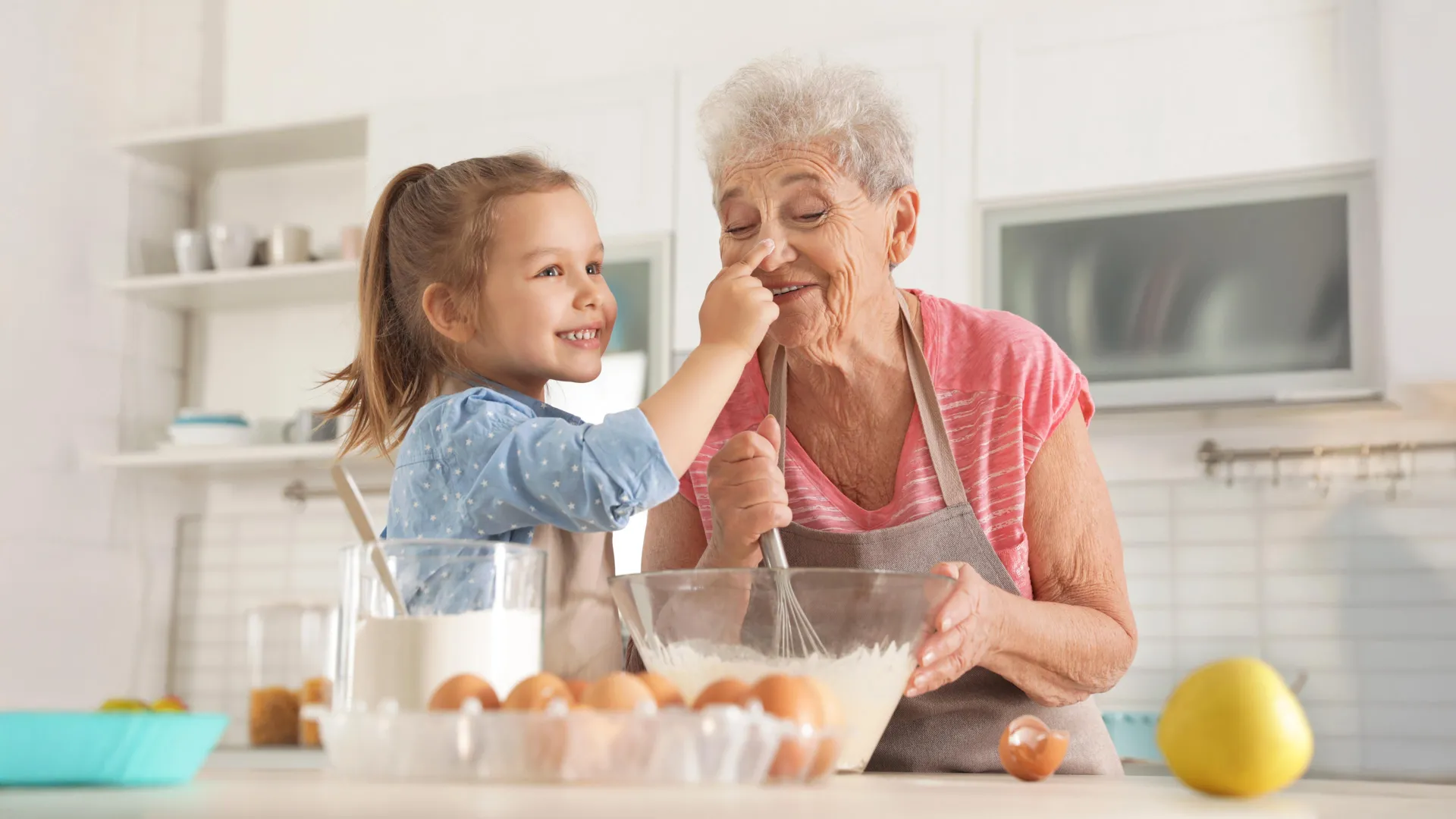
A child psychologist argues that grandparents play an underestimated role in protecting young people's mental health as anxiety and depression rates climb among adolescents. The expert contends that children benefit from relationships built on listening and encouragement rather than achievement pressure alone.
Grandparents offer distinct advantages in supporting emotional development. They typically have fewer performance expectations than parents, allowing them to focus on meaningful conversation and genuine connection. This creates space for children to express concerns without fear of judgment tied to grades or college prospects. Research consistently shows that strong intergenerational bonds correlate with improved emotional resilience and reduced symptoms of depression and anxiety.
The psychologist emphasizes three core elements grandparents provide. First, active listening validates children's experiences without rushing to fix problems. Second, encouraging exploration of interests and values helps young people develop intrinsic motivation beyond external rewards. Third, shared positive experiences—whether simple activities or family traditions—build emotional security and belonging.
Youth mental health has deteriorated markedly over the past decade. The Centers for Disease Control reports that persistent sadness or hopelessness affects roughly 40 percent of high school students. Social media, academic pressure, and pandemic disruptions have intensified vulnerability. In this context, consistent, low-stakes relationships with grandparents provide protective factors that clinical interventions alone cannot replicate.
The framework differs from conventional parenting approaches. While parents balance nurturing with discipline and guidance toward future success, grandparents can prioritize emotional presence. This complementary role reduces children's sense of constant evaluation and creates relationships where worth is unconditional.
Implementation requires intentional engagement. Regular phone calls, visits, and shared activities strengthen bonds more effectively than occasional contact. Grandparents who ask open-ended questions and respect younger generations' perspectives build trust that facilitates deeper conversations about struggles.
This perspective does not replace professional mental health treatment for children experiencing serious conditions. Rather,