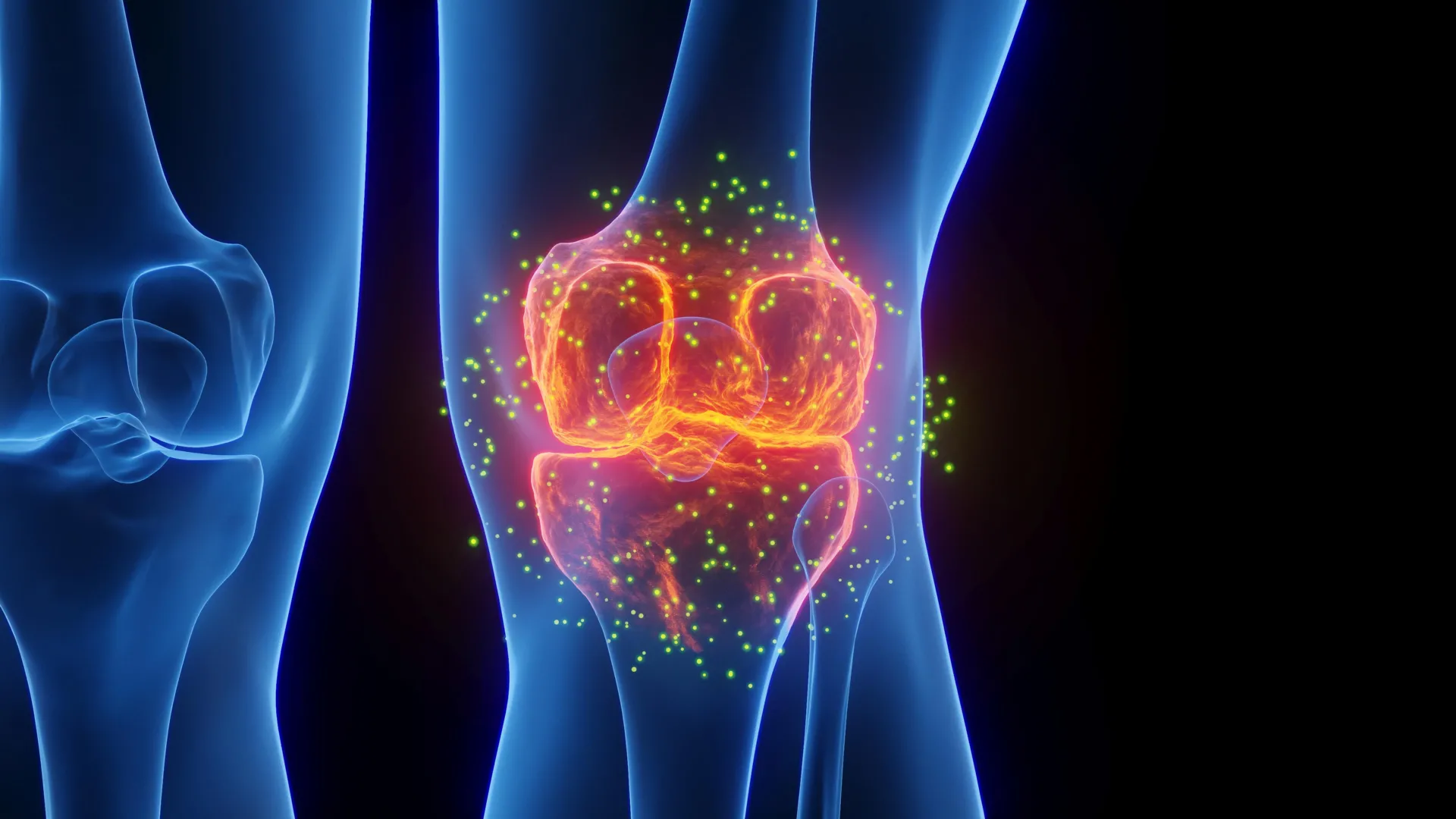
Stanford University researchers have developed a treatment that reverses cartilage loss and prevents arthritis in mice by targeting an aging-related protein, according to work reported in ScienceDaily. The team blocked a protein linked to cellular aging, which restored degraded cartilage in older mice and reduced arthritis development following knee injuries.
The researchers tested their approach on human cartilage samples obtained from donors, observing comparable regenerative responses. This laboratory evidence suggests the mechanism could translate to human patients, potentially offering an alternative to joint replacement surgery.
Cartilage breakdown drives osteoarthritis, a degenerative condition affecting millions globally. Current treatments manage pain and inflammation but do not restore damaged tissue. Joint replacement remains the primary intervention for severe cases, making cartilage regeneration a major therapeutic goal.
The Stanford team focused on senescent cells, which accumulate with age and secrete inflammatory molecules that damage cartilage. By inhibiting the protein driving this senescence pathway, they triggered cartilage regeneration in aging mice. The results suggest that blocking cellular aging processes could reverse joint degeneration rather than simply slowing progression.
Human cartilage samples demonstrated signs of repair when exposed to the treatment in culture, though these laboratory results require validation in living human systems. The researchers must now test whether the approach works safely in human subjects and whether the cartilage regeneration persists long-term.
The work opens a new avenue for osteoarthritis treatment. Rather than replacing worn joints, physicians might one day administer a drug targeting senescent cells to restore function. This approach could benefit millions suffering from osteoarthritis while reducing the burden on orthopedic surgery systems.
The study's limitations include the use of mouse models, which do not perfectly replicate human joint biology. Additionally, the samples studied were obtained tissue, not functioning joints with blood supply and mechanical stress. Clinical trials will determine whether the Stanford approach effectively