# Science News This Week: El Niño, Artemis III Crew, Atlantic Cold Blob, and Feynman's Note
A new batch of scientific developments dominated headlines this week across climate, space exploration, oceanography, and physics history.
El Niño conditions have officially arrived, marking a significant shift in global climate patterns. The warming of equatorial Pacific waters typically triggers broader atmospheric changes affecting weather systems worldwide, with implications for hurricane activity, monsoon patterns, and agricultural conditions across multiple continents.
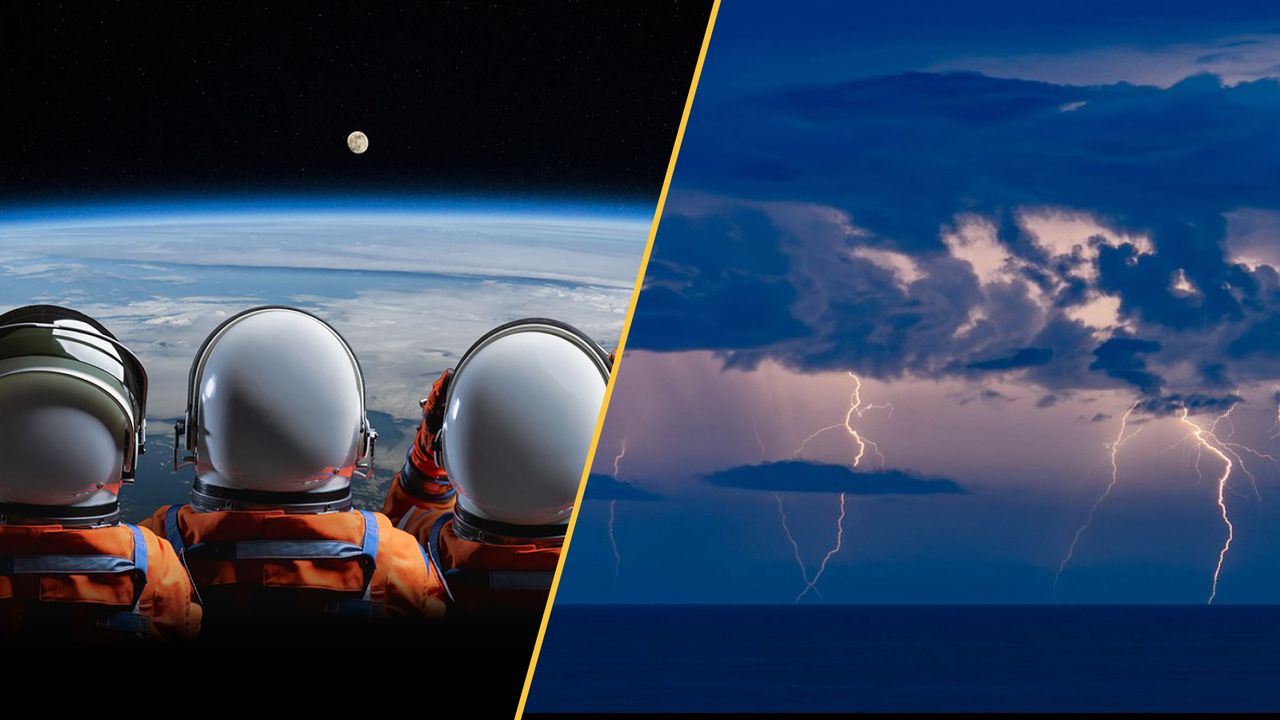
NASA revealed the crew assignments for the Artemis III mission, advancing plans for the next crewed lunar landing. The selected astronauts represent a continuation of the agency's renewed push to return humans to the Moon following the Artemis I and II test flights. Mission details and launch timelines remain key focus areas for the space agency.
Oceanographers documented an expanding cold blob across the Atlantic Ocean, a region of unusually cool water that contrasts with warming trends in surrounding areas. Scientists monitor these anomalies closely, as they can influence regional weather patterns, fish migration, and long-term ocean circulation systems.
In physics history, researchers deciphered a long-forgotten handwritten note from legendary physicist Richard Feynman. The recovered document, left undiscovered for decades, offers insights into Feynman's thinking on scientific problems or theoretical concepts. Such archival discoveries provide researchers with rare glimpses into how influential scientists approached their work.
These developments span the full breadth of modern scientific inquiry, from immediate climate concerns to long-term space exploration goals and historical documentation. Together, they reflect ongoing efforts by the scientific community to understand planetary systems, expand human presence beyond Earth, and preserve knowledge from scientific pioneers.