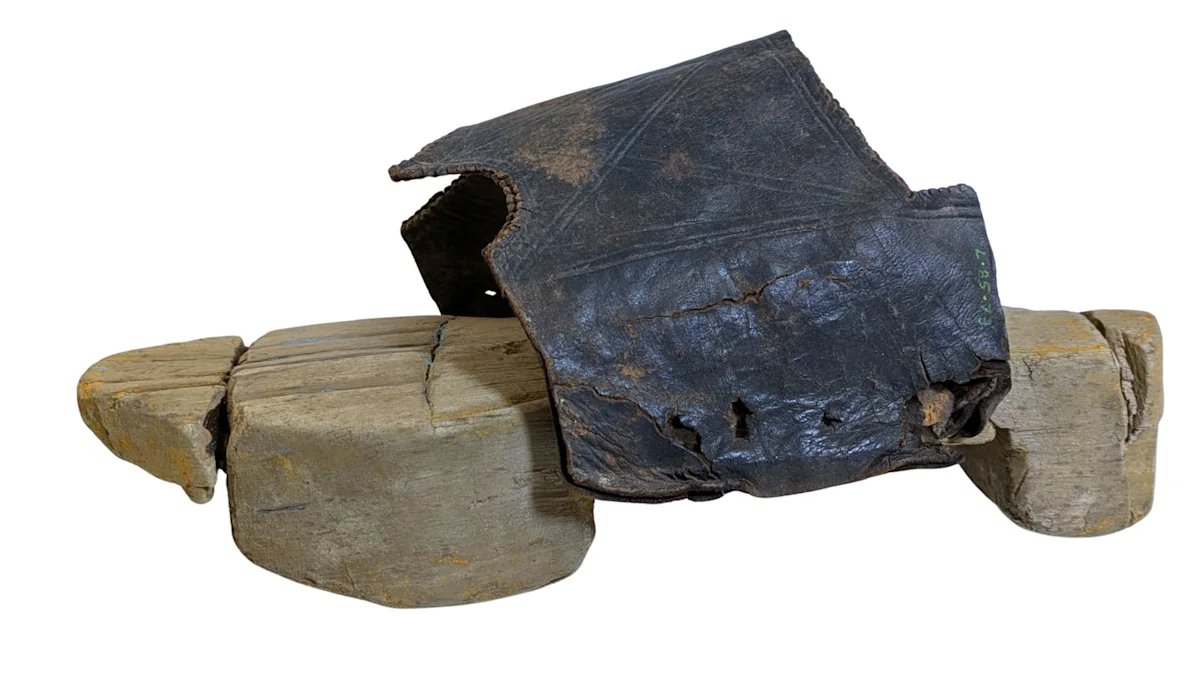
Archaeologists have identified the world's oldest shower shoes at a Roman fort along Hadrian's Wall in northern England. These clog-style sandals represent the earliest known example of footwear designed specifically for bathing environments.
The discovery reveals that Romans developed practical solutions for navigating their elaborate bath complexes. The clogs protected bathers' feet from scalding floors heated by the hypocaust system, an underground furnace that warmed bath chambers to high temperatures. The wooden or leather footwear also provided traction on wet, slippery surfaces that posed slip hazards in communal bathing areas.
This finding demonstrates Roman engineering extended beyond architecture and infrastructure to everyday personal care. Bath complexes formed central gathering places in Roman forts and cities, where soldiers and civilians spent considerable time. Protecting feet from burns and falls represented a practical necessity in these high-traffic environments.
The excavation at the Hadrian's Wall fort provides insight into Roman military life and bathing customs. Soldiers stationed along this northern frontier of the Roman Empire enjoyed the same bathing facilities as those in warmer climates, adapted for Britain's cooler conditions. The presence of specialized footwear underscores how Romans prioritized comfort and safety in their daily routines.
Archaeological evidence from bath sites across the Roman Empire reveals that bathing served both hygienic and social functions. Elaborate bath complexes included cold water pools, hot rooms, and steam areas. Workers and guards maintained these facilities, and bathers moved between different temperature zones, making slip-resistant footwear essential.
The discovery adds to our understanding of Roman material culture and daily life. Unlike monumental structures and written records that dominate archaeological study, humble objects like bath shoes illuminate how ordinary people navigated their environments. This artifact category helps archaeologists reconstruct authentic experiences from nearly two thousand years ago.