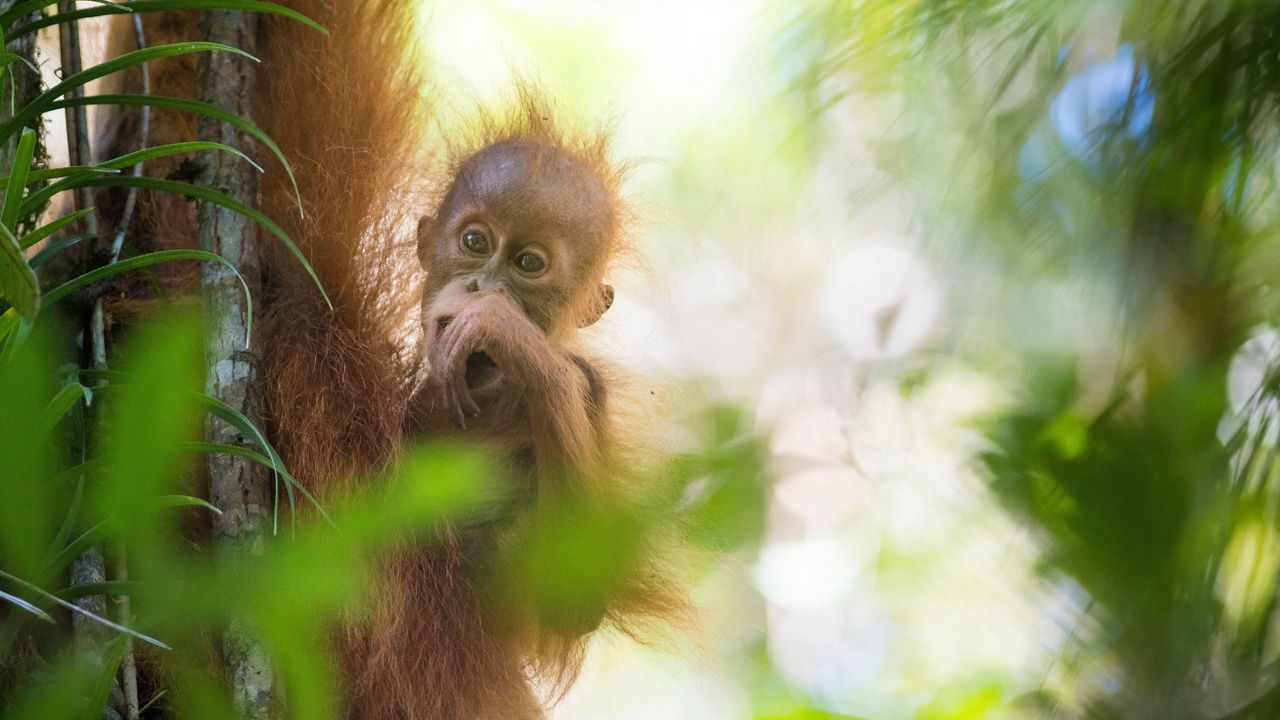
Cyclone Senyar decimated Indonesia's most endangered great ape species last month. The storm killed approximately 58 Tapanuli orangutans, representing roughly 7% of the entire global population estimated at around 800 individuals. Most animals died when landslides triggered by four days of extreme rainfall buried or crushed them alive.
The Tapanuli orangutan inhabits only the North Sumatra region of Indonesia, making it the world's rarest great ape. Scientists formally identified it as a distinct species separate from the Sumatran orangutan just in 2017, when researchers found genetic and physical differences between the populations. The species faces constant pressure from habitat loss due to deforestation and land development.
This single weather event wiped out approximately one in every 14 Tapanuli orangutans alive today. Wildlife researchers assess that climate change intensified Cyclone Senyar's rainfall, increasing the storm's destructive power. The convergence of restricted habitat range and climate-driven extreme weather creates a dangerous vulnerability for the species.
The death toll compounds existing conservation challenges. Tapanuli orangutans already experience fragmented populations across small forest patches, limiting genetic diversity and breeding opportunities. Road construction, agricultural expansion, and logging continue eroding their habitat. Conservation efforts focus on protecting remaining forest corridors and establishing protected reserves, but these initiatives face funding constraints and implementation difficulties.
The cyclone deaths underscore how climate change amplifies extinction risks for species with small populations and limited geographic ranges. A single catastrophic event can now potentially eliminate thousands of years of evolutionary history. Recovery for the Tapanuli orangutan requires both habitat protection and climate mitigation strategies that prevent future extreme weather from occurring at similar intensities.
Researchers and conservation organizations have called for urgent action to expand protected forest areas in North Sumatra and increase international funding for species preservation. The loss