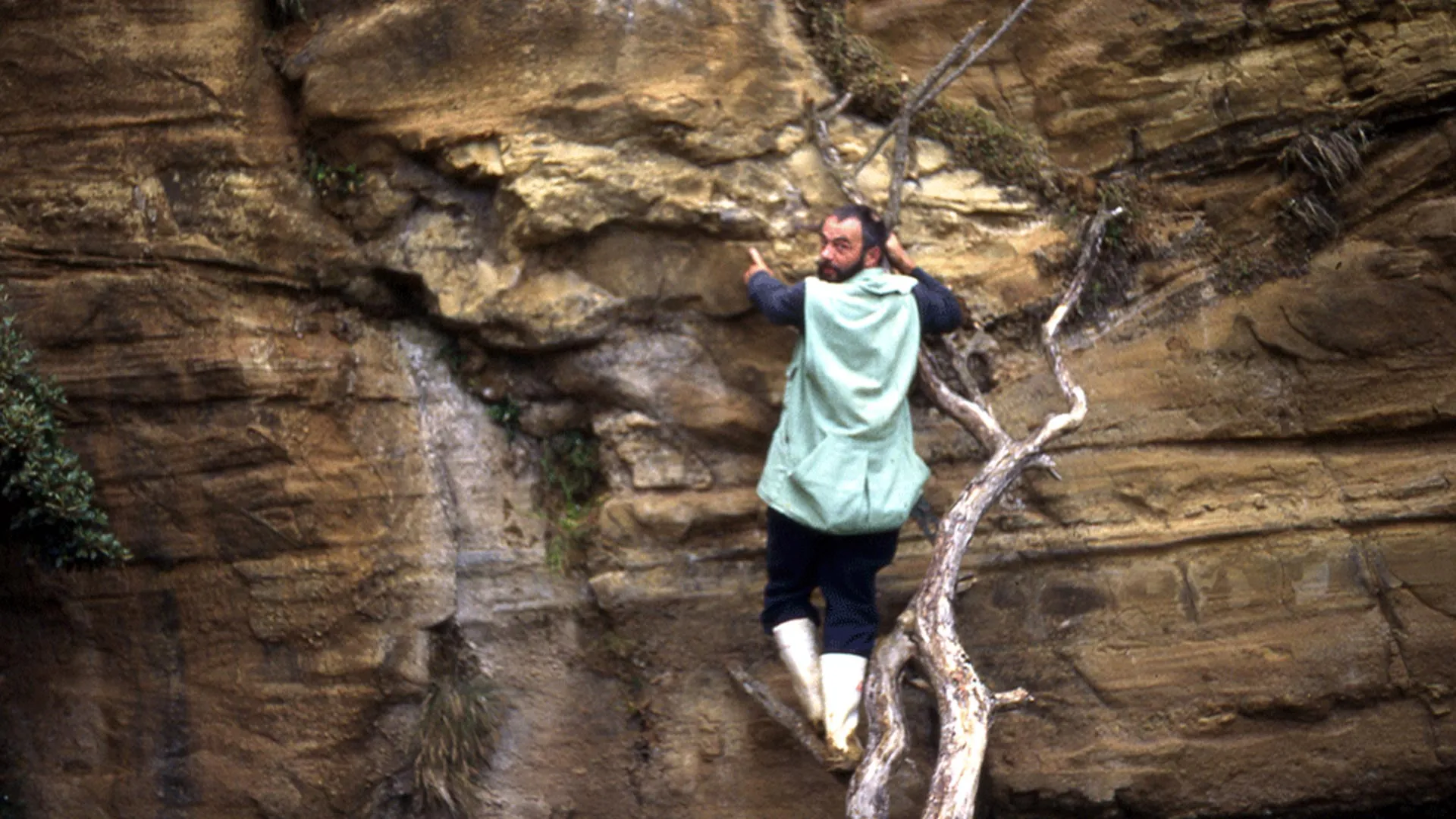
Researchers have solved a 55-million-year-old fossil mystery using field notebooks discovered nearly three decades after a remarkable specimen's initial collection on a remote New Zealand cliff. The 1.2-meter fossil, preserved in exceptional three-dimensional detail, belongs to an ancient tarpon-like predator that inhabited New Zealand waters during the Eocene epoch.
The fossil sat largely unstudied for nearly 30 years until scientists located the original collector's field notebooks. These handwritten records contained critical contextual information about the specimen's discovery site, geological layers, and environmental conditions present when the creature lived. This metadata proved essential for interpreting the fossil's significance within its temporal and ecological framework.
The three-dimensional preservation quality distinguishes this specimen from typical two-dimensional fossil impressions. Such detailed fossilization occurs rarely and requires specific sediment conditions that protect delicate structures including bones, tissues, and occasionally mineralized organs. The tarpon-like predator's anatomy reveals insights into Eocene marine ecosystems, a period when New Zealand occupied a fundamentally different position on the globe and experienced warmer ocean temperatures.
The rediscovery underscores a broader challenge in paleontology: historical specimens often languish in museums or private collections without complete documentation. Field notebooks from early paleontological expeditions frequently contain observations that modern analysis techniques cannot replicate. Geological context, weather patterns, associated fauna, and sediment characteristics recorded in real time provide information that subsequent laboratory examination cannot recover.
This case demonstrates how technological advances in fossil analysis create opportunities to extract new data from existing specimens. Modern scanning techniques, chemical analysis, and comparative anatomy methods applied to well-documented historical finds can yield results impossible when the specimens were first collected. The integration of historical documentation with contemporary paleontological methods represents an efficient approach to expanding our understanding of prehistoric life without requiring new fieldwork.
The discovery highlights the importance of preserving complete records