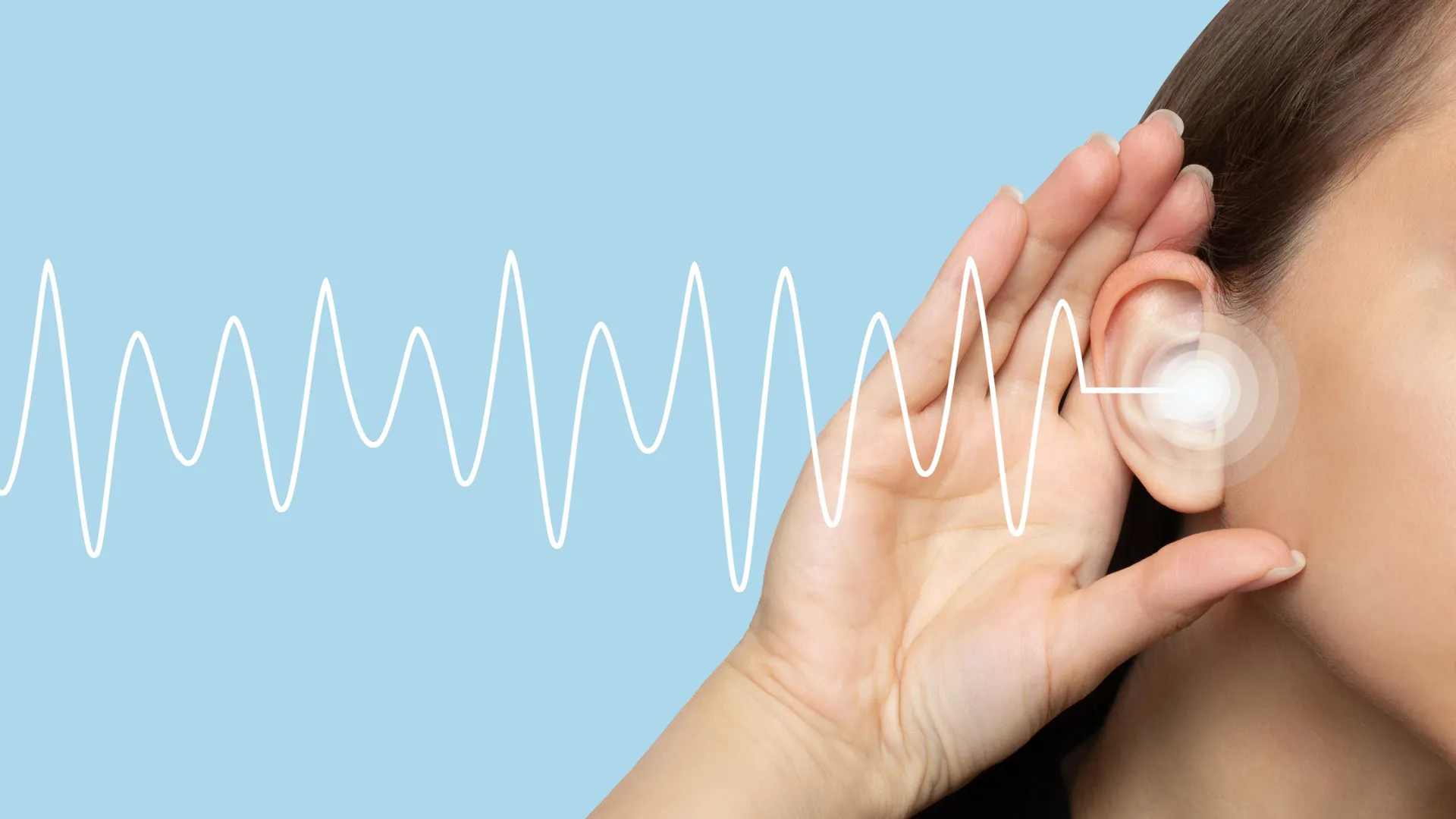
Tinnitus, the persistent ringing or buzzing in the ears experienced by millions, functions as an early warning signal for hearing loss, according to hearing health experts. The condition typically emerges when delicate hair cells within the inner ear sustain damage from aging or chronic noise exposure.
Hearing loss itself often manifests not as complete deafness but as difficulty following conversations in noisy environments, a symptom many people dismiss as normal aging. This struggle occurs because damaged inner ear cells fail to transmit sound signals properly to the brain.
The consequences extend beyond simple hearing difficulties. Both tinnitus and hearing loss disrupt sleep quality, impair concentration, and alter mood regulation. Research indicates these conditions also elevate fall risk in older adults and correlate with accelerated cognitive decline, making early detection medically important.
The mechanism behind this cascade involves the cochlea, the spiral-shaped structure in the inner ear lined with hair cells responsible for converting sound vibrations into neural signals. When these cells die from noise damage or age-related degeneration, they do not regenerate. The brain sometimes compensates by amplifying signals from remaining intact cells, producing the phantom sound sensations characteristic of tinnitus.
Experts recommend treating tinnitus as a diagnostic marker rather than dismissing it as a minor annoyance. Individuals experiencing new or persistent ringing should undergo audiological testing to assess hearing function and baseline cochlear health. Early intervention through hearing aids, sound therapy, or lifestyle modifications can slow further deterioration and mitigate secondary effects on balance and mental sharpness.
Prevention strategies include limiting exposure to loud sounds above 85 decibels, using hearing protection in noisy occupations, and maintaining cardiovascular health, which supports inner ear blood flow. For those already experiencing symptoms, audiologists can prescribe customized management approaches tailored to individual hearing profiles and tinnitus characteristics.