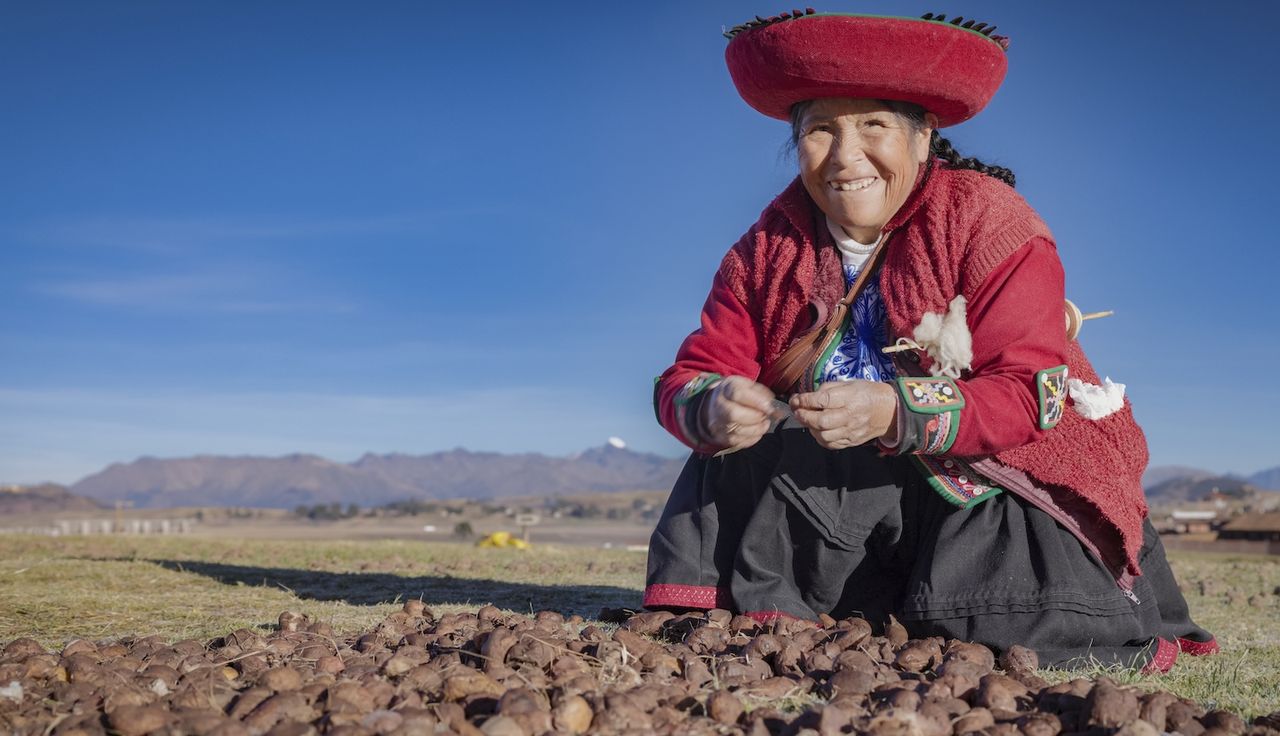
Indigenous Andean populations carry more copies of the AMY1 gene, which produces salivary amylase, the enzyme that breaks down starch. Researchers discovered this genetic adaptation emerged after their ancestors domesticated potatoes roughly 10,000 years ago, representing a clear example of natural selection shaping human biology in response to diet.
The study examined genetic variation in the AMY1 gene across populations with different dietary histories. Andean groups showed significantly higher copy numbers of this gene compared to populations in other regions. This increased gene dosage allows Andean individuals to produce more salivary amylase, making them more efficient at initiating starch digestion in the mouth and throughout the digestive system.
The researchers traced this adaptation to the period when potatoes became a dietary staple in the Andes. Potatoes are energy-dense carbohydrate sources, and populations relying heavily on them would benefit from enhanced starch-processing capacity. Over thousands of years, individuals with more AMY1 copies gained a nutritional advantage, allowing them to extract more calories and nutrients from potatoes. Natural selection favored these variants, increasing their frequency in the population.
This finding parallels other well-documented dietary adaptations in humans, such as lactase persistence in dairy-farming populations. It demonstrates how human evolution responds rapidly to major shifts in food availability and consumption patterns.
The research has limitations. It focused on populations with distinct dietary histories, and environmental factors beyond genetics also influence digestion. Additionally, the broader health implications of elevated amylase production remain unclear. Modern Indigenous Andeans eat diverse diets, so the practical advantage of this adaptation today is uncertain.
The study adds to growing evidence that human populations show measurable genetic differences reflecting their ancestors' environmental pressures and food sources. It underscores how domestication events fundamentally shaped not only societies but also the genetic makeup of