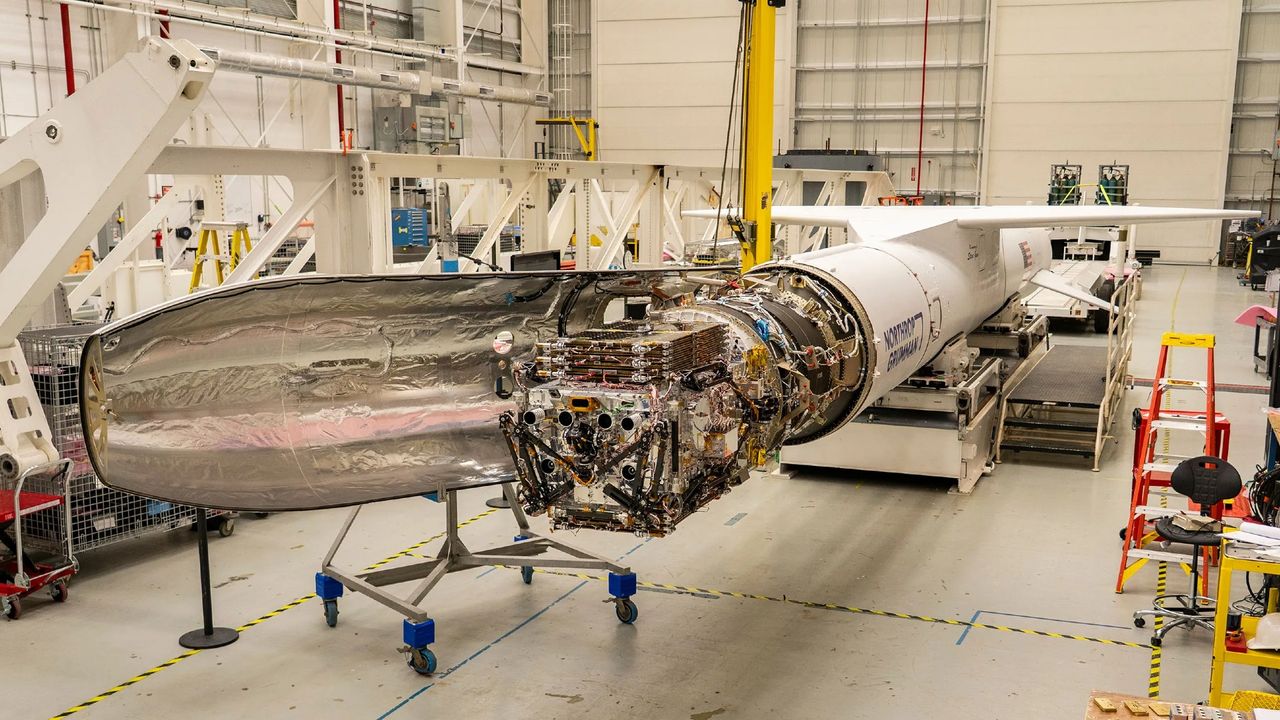
A spacecraft designed to refuel and repair aging satellites has been encapsulated inside its launch vehicle at a NASA facility, readying it for deployment. The mission targets satellites struggling with depleted fuel reserves, extending their operational lifespans and reducing orbital debris.
The spacecraft uses a robotic arm to approach target satellites, transfer propellant, and perform repairs. This service addresses a growing challenge in space operations. Satellites in geosynchronous orbit and other critical positions often outlive their fuel supplies decades before their hardware fails. Rather than allowing these assets to drift into graveyard orbits, the refueling spacecraft offers a cost-effective alternative to building replacement satellites.
The encapsulation process represents a critical phase in launch preparation. Technicians sealed the spacecraft inside its protective payload fairing, protecting it from thermal and vibrational stresses during ascent. The air-launched rocket configuration allows flexibility in launch timing and location, reducing infrastructure demands compared to traditional ground-based systems.
Satellite servicing missions remain relatively novel in spaceflight. Companies including Orbital Refueling Corporation and others have developed autonomous docking systems and fuel transfer mechanisms over the past decade. Each successful mission demonstrates the feasibility of on-orbit maintenance, potentially transforming how space agencies and commercial operators manage their constellations.
The mission reflects broader industry trends toward sustainability. Extending satellite life through refueling reduces manufacturing demands and minimizes space debris, which poses collision hazards to active spacecraft. As Earth orbit becomes increasingly congested with communications, weather, and navigation satellites, servicing capabilities become operationally essential.
Technicians completed final checks before encapsulation, verifying fuel systems, power connections, and thruster functionality. The spacecraft carries sufficient propellant to service multiple satellites during its mission, with autonomous navigation systems guiding approach and docking procedures.
Launch timing depends on orbital mechanics and target satellite positions. Mission planners