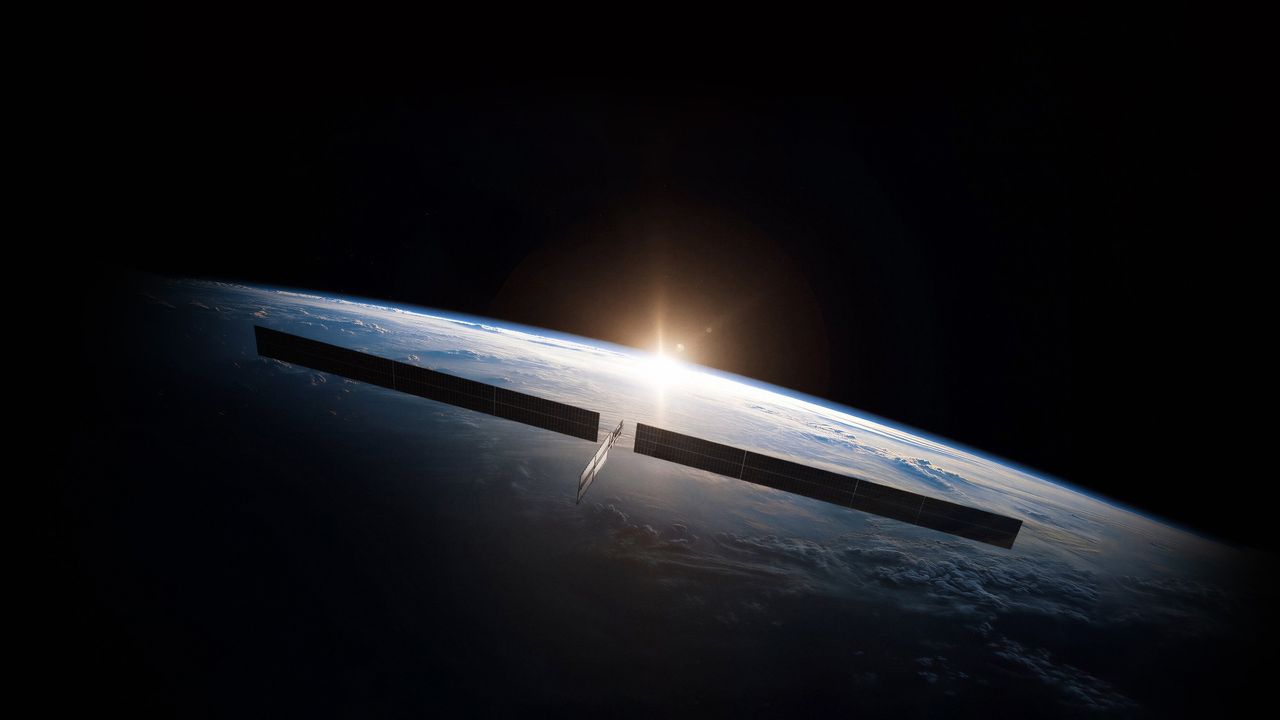
SpaceX CEO Elon Musk has outlined plans for orbital data centers as the company prepares for an anticipated initial public offering. Musk previously proposed deploying up to 1 million AI satellites in space, a project that would represent an unprecedented expansion of SpaceX's existing Starlink constellation.
The proposal combines two of Musk's stated priorities: expanding satellite internet coverage and advancing artificial intelligence infrastructure. Moving data centers to orbit would theoretically reduce latency for AI computations and eliminate terrestrial power constraints on processing capacity. Such systems could serve ground-based AI applications by positioning computational resources closer to users globally.
SpaceX already operates Starlink, the world's largest active satellite constellation with roughly 6,000 satellites in low Earth orbit. Deploying an additional 1 million satellites would require substantial manufacturing scaling, regulatory approval from the Federal Communications Commission, and coordination with other space agencies to manage orbital debris concerns.
The technical challenges are substantial. Each satellite requires power systems, thermal management, communication equipment, and data storage capabilities. A constellation this size would demand new rocket launch cadences and on-orbit refueling or servicing infrastructure. SpaceX's Starship vehicle, currently in development, represents the company's plan to achieve the reusable launch capacity needed for such deployment rates.
Orbital data centers remain largely theoretical. No company has successfully deployed functioning computational satellites at scale. Thermal dissipation in the vacuum of space presents engineering obstacles, as does maintaining equipment reliability in the radiation-heavy space environment.
The announcement precedes SpaceX's IPO filing, in which the company is expected to present its financial outlook and growth strategy to investors. Musk's valuation targets appear contingent on ventures beyond traditional launch services, including satellite internet, space tourism, and now orbital computing infrastructure.
Regulatory pathways for deploying 1 million satellites remain unclear.