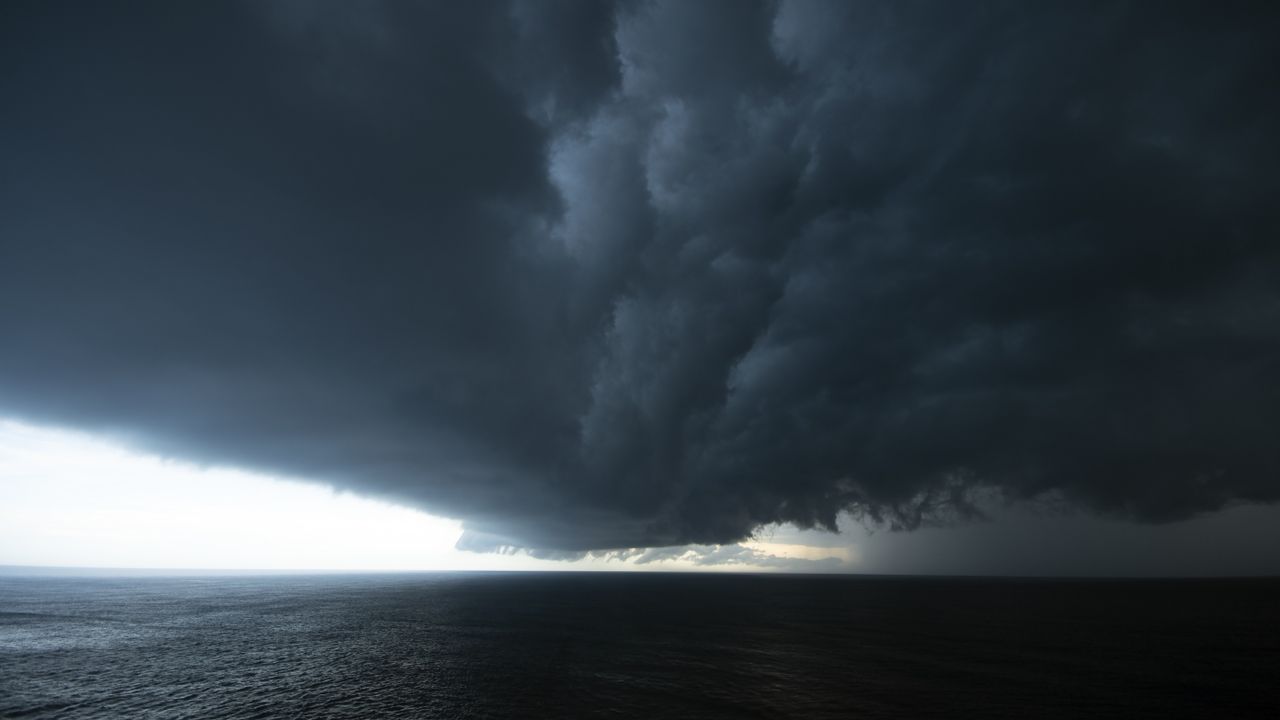
The European Centre for Medium-Range Weather Forecasts released a forecast in June predicting that the approaching El Niño will become the strongest event ever recorded. The center, one of the world's leading meteorological institutions, analyzed ocean temperature patterns and atmospheric conditions to reach this conclusion.
El Niño events occur when warmer-than-normal water spreads across the tropical Pacific Ocean, disrupting global weather patterns. These episodes typically last 9 to 12 months and affect rainfall, temperature, and storm activity across multiple continents. Previous record-breaking El Niños occurred in 1997-1998 and 2015-2016, both causing significant global impacts including droughts in some regions and floods in others.
The forecast's severity reflects ocean conditions developing since late 2023. Sea surface temperatures in the tropical Pacific had been climbing steadily, crossing the threshold scientists use to define El Niño conditions. The European centre's models showed water temperatures continuing to rise beyond historical records, suggesting atmospheric effects would intensify accordingly.
Such an intense El Niño carries real consequences. Agricultural regions face potential crop failures from unexpected drought or excessive rain. Coral reefs experience bleaching stress from sustained warm water. Fisheries shift as marine species respond to temperature changes. Insurance companies and disaster agencies typically prepare for increased storm activity and associated damage.
The forecast carries some limitations. Weather prediction models work better at shorter timescales. Forecasts beyond a few months involve greater uncertainty, though seasonal El Niño predictions have improved in recent decades. Multiple centers provide competing forecasts, and not all agreed completely on the strength estimate.
Other meteorological organizations including NOAA would release their own June forecasts, providing alternative assessments. Comparing predictions from different centers helps identify which models performed most accurately. The actual event would unfold over months, with real ocean and atmospheric data eventually confirming or contradicting the