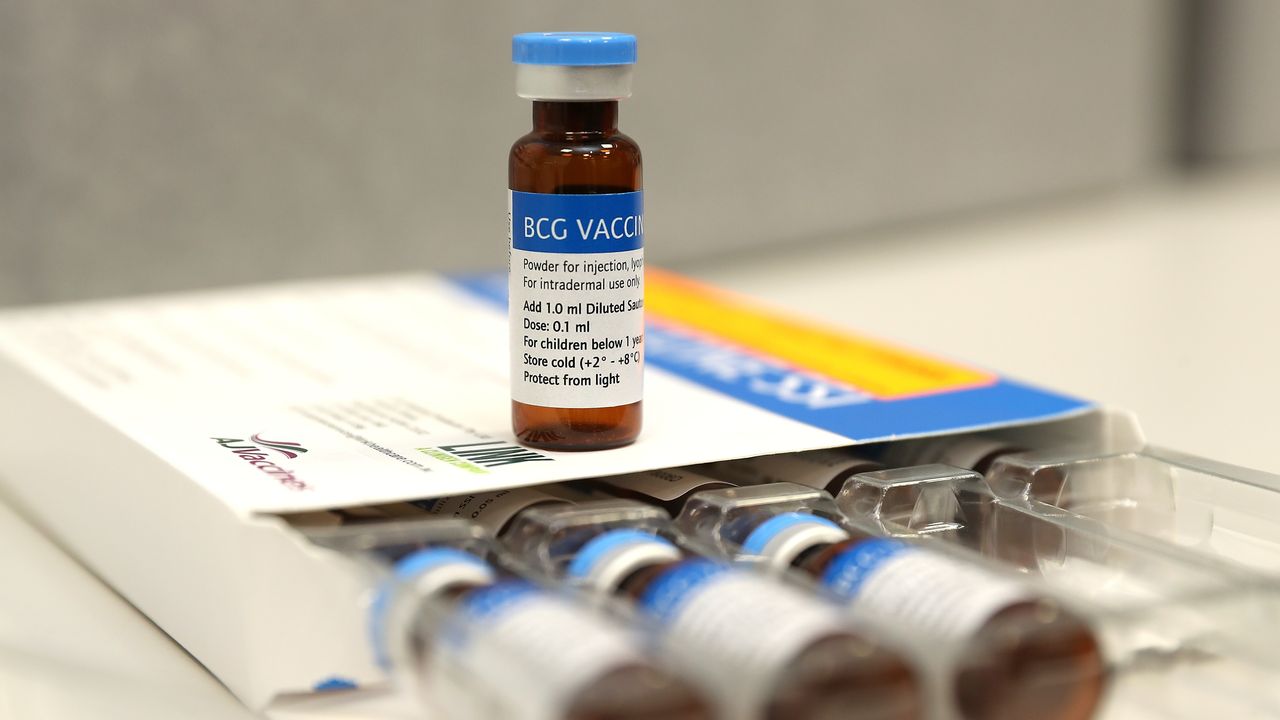
A century-old tuberculosis vaccine shows promise in reducing insulin requirements for diabetes patients, according to new trial results. Repeated doses of the bacille Calmette-Guérin (BCG) vaccine lowered insulin needs in people with both type 1 and type 2 diabetes, researchers found.
The BCG vaccine, developed in the 1920s, trains the immune system to fight tuberculosis. Recent trials suggest it may also reprogram immune cells in ways that benefit glucose control. The mechanism appears to involve enhancing the function of immune regulatory cells that suppress inflammation driving diabetes progression.
Researchers administered multiple BCG vaccine doses to diabetes patients and tracked insulin requirements over time. Participants receiving the vaccine needed less insulin to maintain healthy blood sugar levels compared to control groups. The effect persisted months after vaccination, indicating a durable immune response rather than temporary fluctuation.
This discovery builds on earlier immunological research showing BCG's broader immune-modulating effects. The vaccine activates innate immune memory, priming immune cells to respond more effectively to metabolic challenges. In diabetes, this enhanced immune training may help preserve insulin-producing beta cells or improve insulin sensitivity.
However, substantial limitations remain. The trials enrolled relatively small patient populations, and longer-term safety data are incomplete. BCG carries known side effects including local reactions at injection sites and rare systemic complications. Researchers must establish optimal dosing schedules, identify which diabetes patients benefit most, and confirm benefits persist beyond current follow-up periods.
The work also requires mechanistic clarification. Scientists need to pinpoint exactly how BCG vaccination alters immune function to improve glucose control and whether effects differ between type 1 and type 2 diabetes patients. Additional trials in larger, more diverse populations will determine whether BCG represents a viable diabetes treatment strategy or remains an intriguing preliminary finding.
If validated, the approach would offer a low-