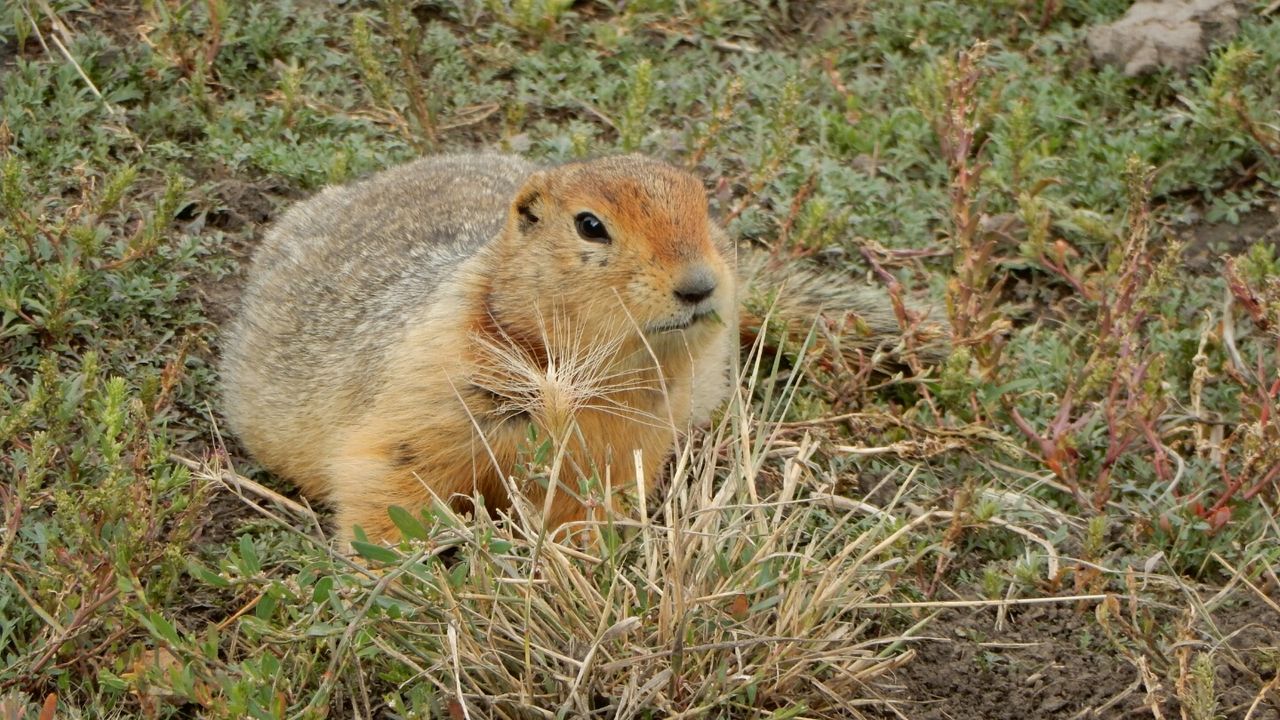
Researchers have extracted ancient DNA from fossilized squirrel droppings preserved in Arctic permafrost, revealing genetic signatures of mammoths, bison, horses, and large cats that roamed the ice age landscape alongside the rodents.
Scientists analyzed the coprolites—preserved feces—which accumulated in squirrel middens, or food storage areas, over thousands of years. These deposits act as natural time capsules, trapping DNA from plants the squirrels consumed and environmental material they encountered. The findings reveal a detailed snapshot of megafauna and vegetation from the Pleistocene epoch.
The study demonstrates that coprolites preserve an extraordinarily diverse genetic record. Researchers identified DNA not only from large mammals but also from plants, microbes, and fungi that coexisted in these ancient ecosystems. The mammoth and bison DNA likely came from plant material contaminated with animal feces or from dust the squirrels ingested while foraging. The presence of feline DNA suggests large predators inhabited the region during this period.
Permafrost preservation makes this work possible. The frozen ground maintains DNA integrity far better than conventional archaeological deposits, allowing genetic material to survive tens of thousands of years with minimal degradation. Squirrel middens, accumulated over generations, concentrate this biological material in compact locations scientists can efficiently sample.
This approach offers a new window into ice-age ecosystems without requiring excavation of complete skeletal remains. Traditional paleontology relies on bone and tooth fossils, which provide limited information about the broader environment. Coprolite DNA captures a panoramic view of which species shared space, what plants dominated the landscape, and how microbial communities functioned.
The research carries limitations. DNA fragmentation increases with age, potentially causing false identifications. Environmental contamination from modern sources remains a concern despite careful extraction protocols. Additionally, squirrel dietary preferences may sk