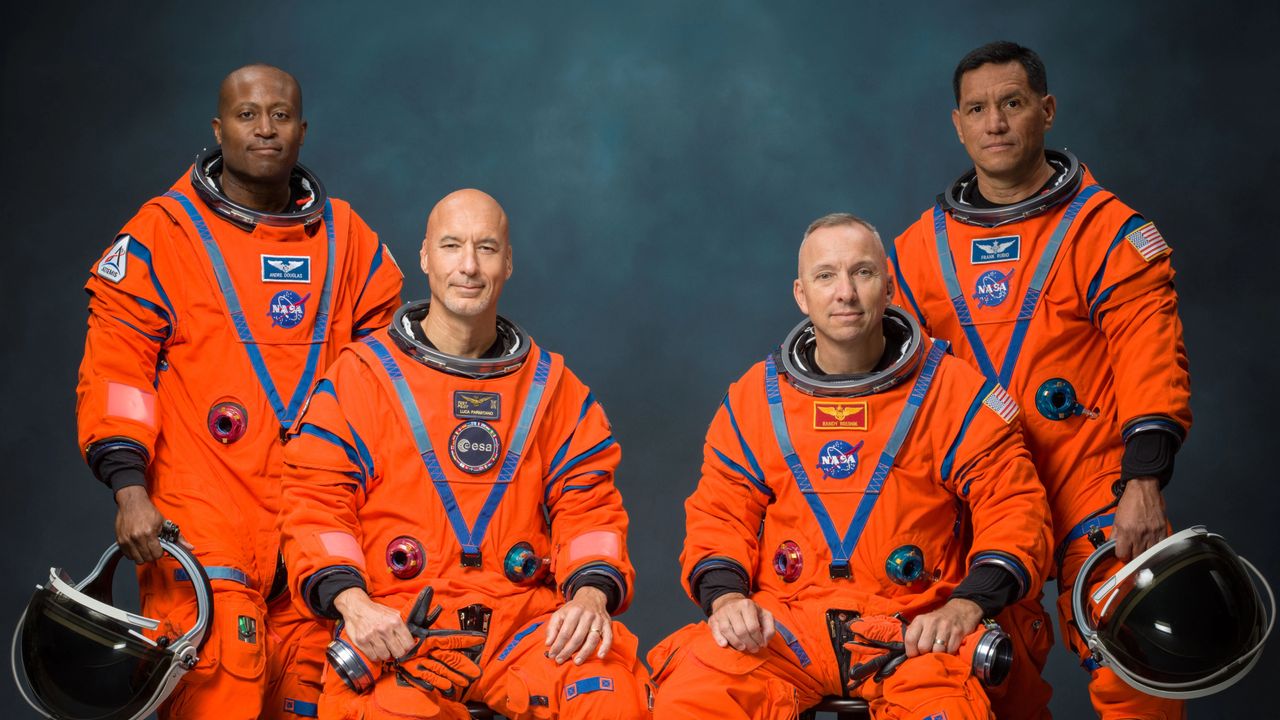
NASA Administrator Bill Nelson defended the agency's selection of an all-male crew for the Artemis 3 lunar mission, stating that the four astronauts were chosen solely on merit and qualifications. The decision triggered public criticism over the absence of women on a crew slated to return humans to the moon.
Nelson told reporters that astronauts Reid Wiseman, Victor Glover, Christina Koch, and Andrew Morgan were identified based on their experience and skills needed for the mission. He cautioned against drawing broader conclusions from the roster. "I don't think anyone should be reading into this," Nelson said, addressing concerns that the selection undermined NASA's commitment to diversity in space exploration.
The Artemis 3 mission, planned for the mid-2020s, aims to land the first woman on the moon as part of NASA's long-term lunar exploration program. The crew selection process evaluated candidates on technical expertise, mission-specific training, and performance records. NASA officials noted that the selection reflected the pool of available astronauts with relevant experience for this particular lunar landing architecture.
The announcement provoked backlash from diversity advocates and some lawmakers who questioned whether NASA adequately considered qualified female astronauts for the positions. Critics pointed out that NASA has actively recruited and trained women astronauts over the past two decades, creating a larger candidate pool than existed during earlier space programs.
Nelson's comments emphasize NASA's position that selections follow established protocols focused on individual qualifications rather than demographic targets. The agency has previously stated its goal of landing a woman on the moon, with officials suggesting future lunar missions would include female crew members.
The controversy reflects broader tensions within the space industry regarding representation and diversity in high-profile missions. NASA operates under government oversight and public scrutiny, making crew selections subject to intense examination beyond technical criteria. The agency continues recruiting and training astronauts for future missions, with officials noting that career progression and