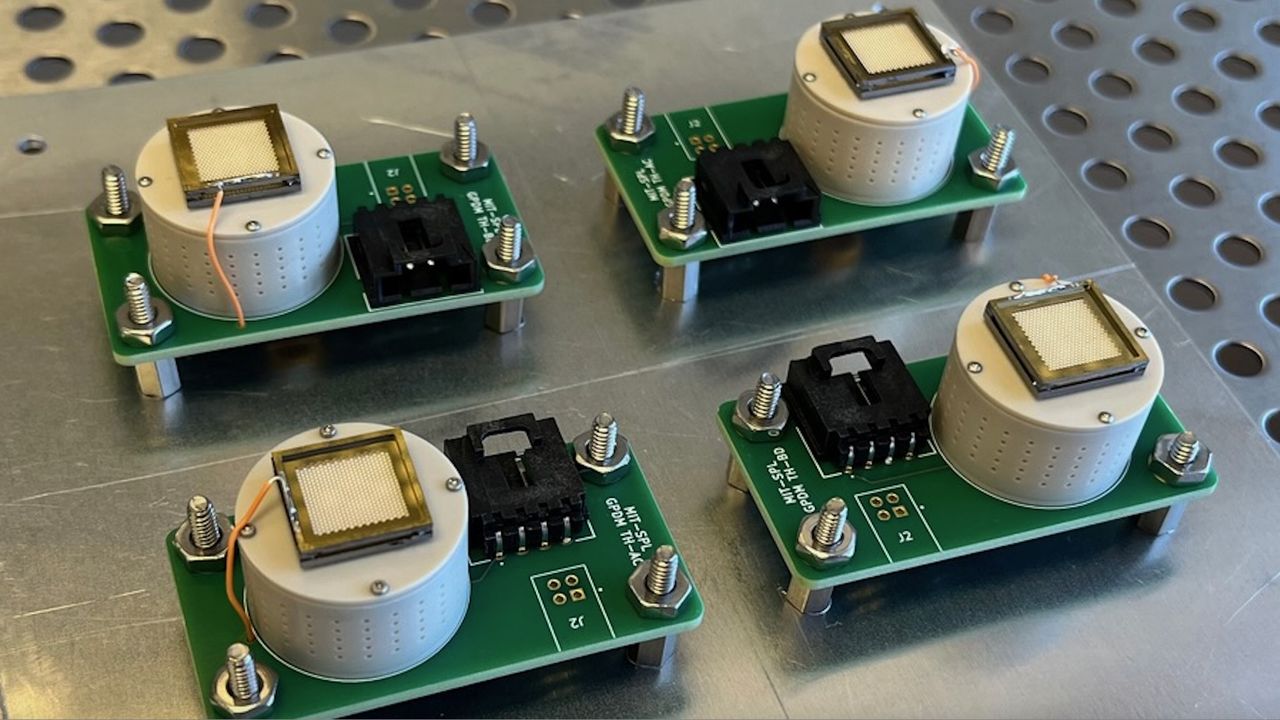
Engineers have developed a hybrid propulsion system that combines electrical and chemical thrusters while using a single fuel source, a design that could reduce spacecraft mass and complexity for future Mars missions.
The dual-mode system channels the same monopropellant into two different engine types. A chemical thruster burns the fuel for traditional combustion-based acceleration, while an electrical thruster ionizes the same propellant to generate thrust through electromagnetic fields. This unified approach eliminates the need to carry separate fuel systems for each thruster type, a constraint that has long complicated spacecraft design.
The breakthrough addresses a persistent engineering challenge. Most deep-space missions require both chemical thrusters for major orbital maneuvers and ion thrusters for precise, fuel-efficient station-keeping. Carrying two distinct fuel systems adds weight, takes up cargo space, and introduces redundant hardware. A single monopropellant that serves both functions streamlines the entire architecture.
Researchers plan to test the system in space, where the technology can be validated under actual mission conditions. The performance data will reveal whether the shared fuel maintains adequate efficiency in both thruster modes and whether integration challenges can be solved reliably.
The system's potential impact extends beyond Mars missions. Any long-duration spaceflight that needs both aggressive acceleration and fine maneuvering could benefit from reduced mass and simplified logistics. Lighter spacecraft require less fuel overall, extending range and payload capacity across deep-space exploration.
Engineers still need to resolve engineering details. The same chemical properties that enable electrical ionization must also support reliable combustion, and mechanical integration of dual thrusters sharing a fuel line requires careful design to prevent cross-contamination or pressure fluctuations.
The upcoming in-space test will determine whether this dual-mode approach delivers practical advantages. If successful, future Mars orbiters and landers could launch with smaller rockets and arrive with more supplies onboard, meaningfully improving