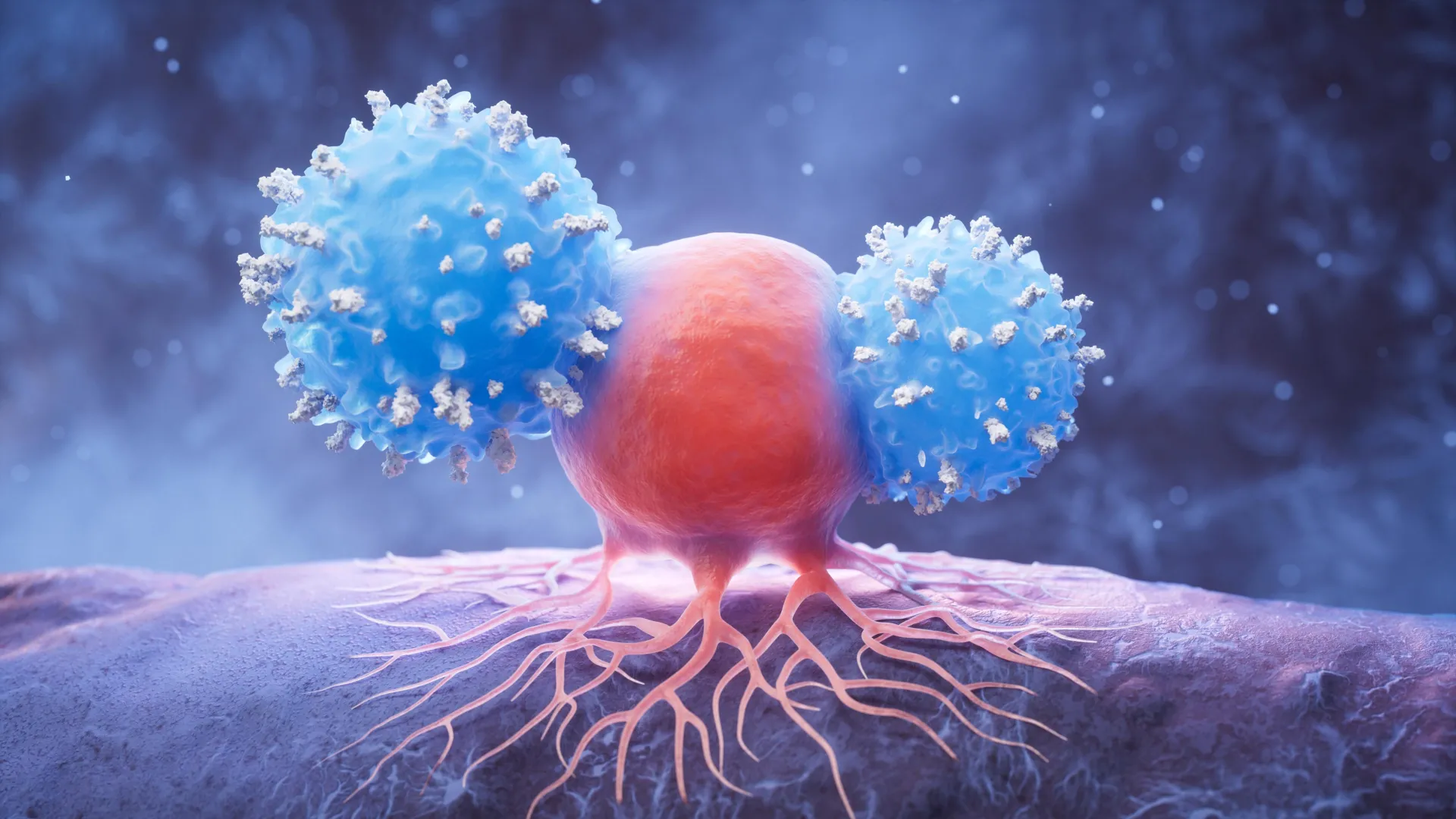
A team of researchers has identified a molecular mechanism that allows cancers to evade immune destruction, offering a potential path to revive failing cancer treatments.
The culprit is SLAMF6, a molecule that acts as a brake on T cells, the immune system's primary tumor-fighting weapons. When SLAMF6 activates, it exhausts T cells and weakens their ability to recognize and destroy cancer. This exhaustion explains why some immunotherapies lose effectiveness over time, even when initially successful.
The research team developed blocking antibodies that prevent SLAMF6 from suppressing T cell function. In mouse studies, these antibodies restored T cell vigor and enhanced tumor destruction. The findings suggest that combination therapies pairing SLAMF6 blockers with existing immunotherapies could overcome treatment resistance.
T cell exhaustion represents a major obstacle in cancer immunotherapy. Checkpoint inhibitors like anti-PD-1 and anti-CTLA-4 antibodies have transformed cancer care by releasing immune brakes, but many patients develop resistance. SLAMF6 appears to be another critical brake that tumors exploit to survive. By targeting multiple exhaustion pathways simultaneously, researchers could prevent cancer cells from adapting.
The work builds on growing understanding that cancers don't defeat the immune system outright. Instead, they silence T cells through multiple redundant mechanisms. SLAMF6 operates independently from better-known exhaustion markers, meaning tumors can evade single-target therapies by activating this alternative pathway.
While the mouse results are promising, human trials remain distant. Researchers must verify that SLAMF6 blocking antibodies are safe and effective in patients, and determine optimal dosing schedules. The approach also raises questions about potential autoimmune side effects from over-activating T cells.
The discovery reflects the shifting paradigm in