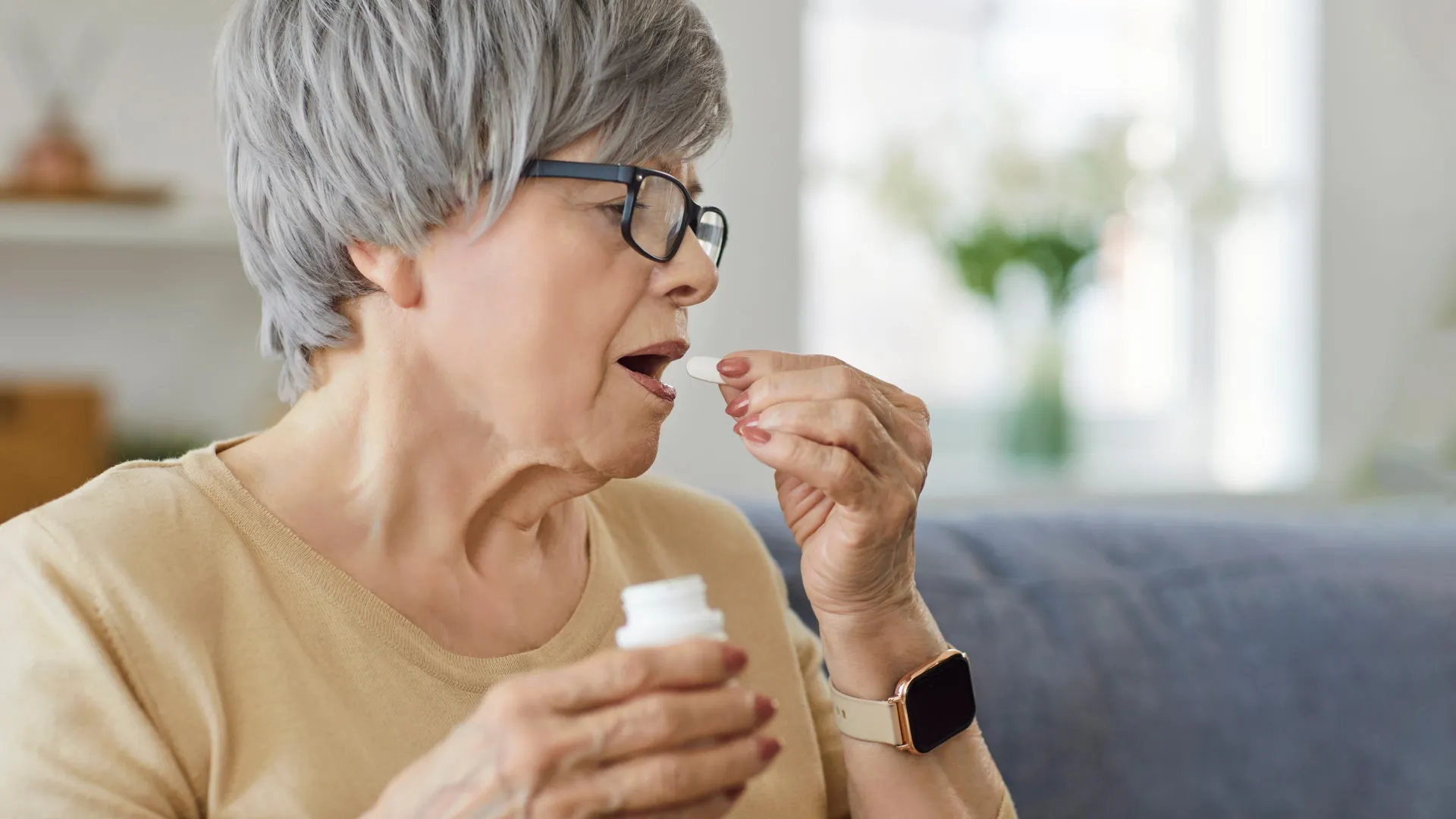
Researchers have identified a troubling link between glucosamine use and accelerated Alzheimer's disease progression. A large-scale study found that people taking glucosamine, the widely used joint pain supplement, showed a 25% higher likelihood of developing dementia compared to non-users.
The study examined individuals with mild cognitive impairment, a precursor state to Alzheimer's. Those consuming glucosamine moved from this intermediate stage to full dementia diagnosis more rapidly than controls. The researchers also uncovered biological mechanisms that may explain this accelerated decline, though the exact pathway remains under investigation.
Glucosamine ranks among America's most popular dietary supplements, with millions consuming it for osteoarthritis and joint health. The supplement generates billions in annual sales despite mixed evidence about its effectiveness for pain relief. This new finding introduces a potential serious downside that warrants urgent attention.
The research team identified specific biological clues pointing toward how glucosamine might influence neurodegeneration. These clues suggest the supplement could alter metabolic or inflammatory pathways connected to Alzheimer's pathology, though further mechanistic studies are needed to confirm causation rather than association.
The study's scale and rigor lend credibility to the findings, yet important limitations exist. The research documents correlation between glucosamine use and faster cognitive decline, but cannot definitively prove the supplement causes this outcome. Other unmeasured factors could explain the association. Additionally, the effect size, while statistically robust, represents a relative increase rather than absolute risk.
Glucosamine users concerned about cognitive health should consult their physicians before discontinuing supplementation, as abrupt cessation without medical guidance carries its own risks. Healthcare providers now face difficult conversations about balancing joint pain management against potential neurological consequences.
This work calls for independent replication studies and mechanistic research to clarify whether glucosamine poses genuine risk or whether the observed pattern