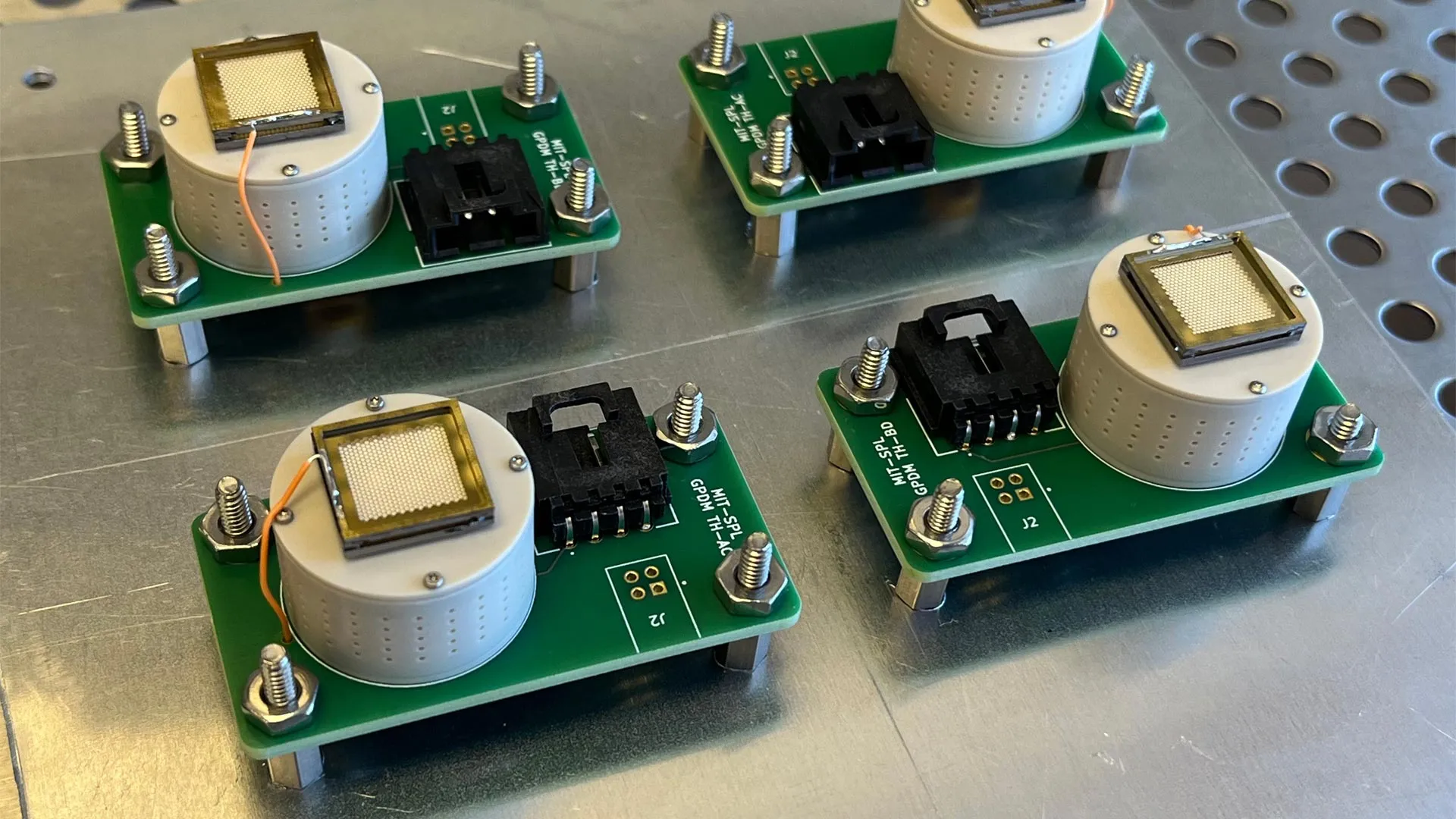
MIT researchers have demonstrated that a single fuel source can power both chemical and electric propulsion systems simultaneously, opening new capabilities for small satellites. The dual-mode approach combines rapid acceleration from chemical thrusters with the fuel efficiency of electric propulsion, eliminating the need for separate fuel tanks and systems.
The research team engineered a compact system where one fuel powers both thruster types in a single device. Chemical thrusters deliver quick bursts of speed for orbital maneuvers, while electric thrusters provide efficient long-duration propulsion for deep space travel. This consolidation saves weight and space, critical constraints for CubeSats and other miniaturized spacecraft.
The breakthrough addresses a fundamental limitation of small satellites. Traditional spacecraft carry multiple propulsion systems with different fuels, consuming precious payload volume. Satellites the size of a shoebox now operate with severe propulsion constraints, often unable to reach distant destinations or perform complex maneuvers.
NASA has committed to testing this technology through a CubeSat mission launching soon. The orbital demonstration will validate whether the dual-mode system performs as designed in the actual space environment. Success could enable small satellites to reach Mars, conduct asteroid surveys, or perform other missions previously reserved for larger, more expensive spacecraft.
The work represents a practical engineering solution rather than fundamental physics discovery. MIT's team focused on compatibility between fuel types and thruster designs to achieve integration. Electric propulsion has existed for decades, and chemical thrusters are well-established technology. The innovation lies in operating both simultaneously from a single fuel supply.
For the commercial space industry, this development carries economic implications. CubeSats represent a growing market segment for Earth observation, communications, and scientific research. Expanding their operational range and capabilities could unlock new mission classes and reduce costs for space operators reliant on larger launch vehicles.
The testing timeline remains fluid, but a successful demonstration would likely accelerate adoption across the small satellite sector.