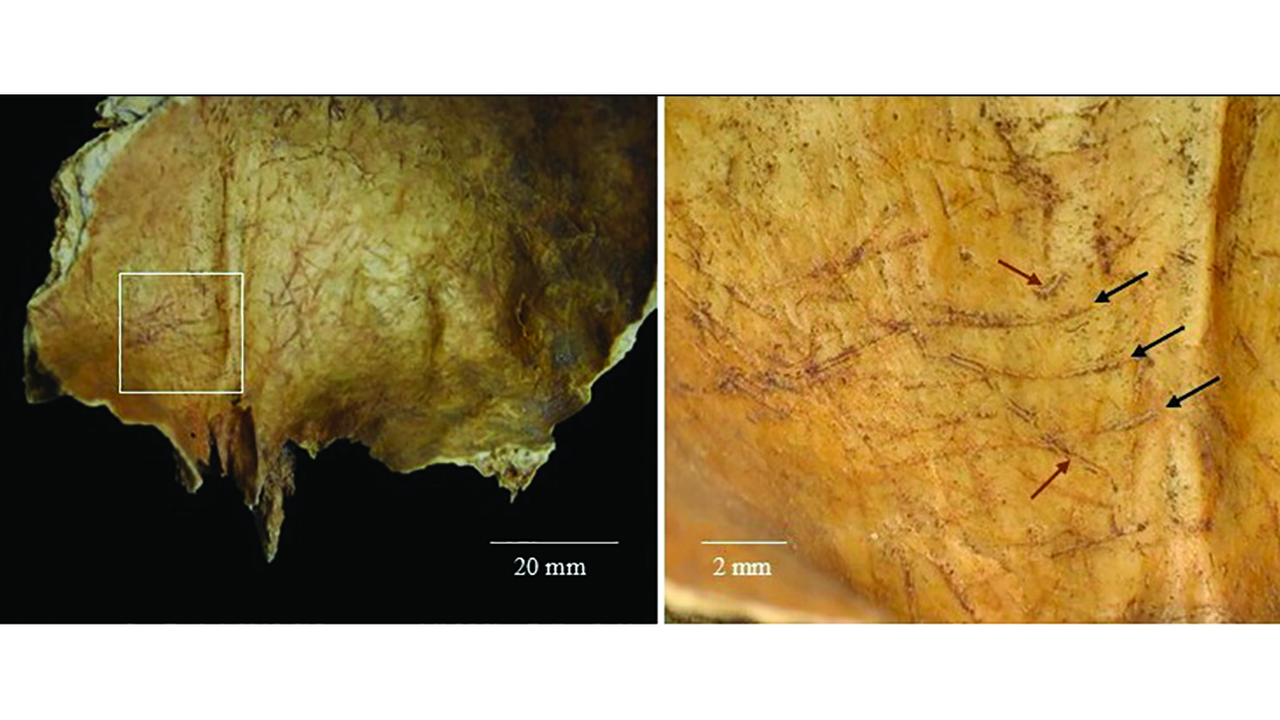
Archaeologists examining 2,000-year-old skeletal remains from northern Scotland have uncovered evidence of a macabre funeral practice. The analysis reveals that mourners removed the brains from deceased individuals and repurposed arm bones into cutting tools, according to findings published in research on Iron Age burial practices.
The discovery comes from excavations at sites in Scotland dating to around the 1st and 2nd centuries. Researchers identified distinctive modifications to skeletal material that indicate deliberate removal of cranial contents and transformation of long bones into functional implements. These practices suggest a complex relationship with the dead that extended beyond simple burial.
Such mortuary manipulation was not uncommon in Iron Age Britain and Europe, though the specific combination of brain removal and bone tool creation reflects regional or community-specific funerary customs. The practice likely carried ritual or spiritual significance, possibly related to beliefs about the afterlife, ancestor veneration, or the redistribution of the deceased's physical essence among living community members.
The bones themselves bear telltale signs of cutting and shaping, indicating skilled craftsmanship. Whether these tools were used in the funeral ceremony itself or subsequently in daily life remains uncertain. Some researchers hypothesize that creating functional objects from the dead honored their memory and maintained connection between living and deceased community members.
This discovery adds to growing evidence that Iron Age peoples in northern Britain engaged in sophisticated mortuary practices that challenge simplified assumptions about prehistoric funeral customs. Similar practices have been documented at other Iron Age sites across Scotland and northern England, suggesting these rituals formed part of established cultural traditions rather than isolated occurrences.
The research highlights how skeletal analysis and careful excavation can reveal hidden dimensions of ancient societies. By examining bone modification patterns under magnification and using comparative analysis with other archaeological sites, researchers reconstruct the specific actions mourners performed during funeral rites thousands of years ago.