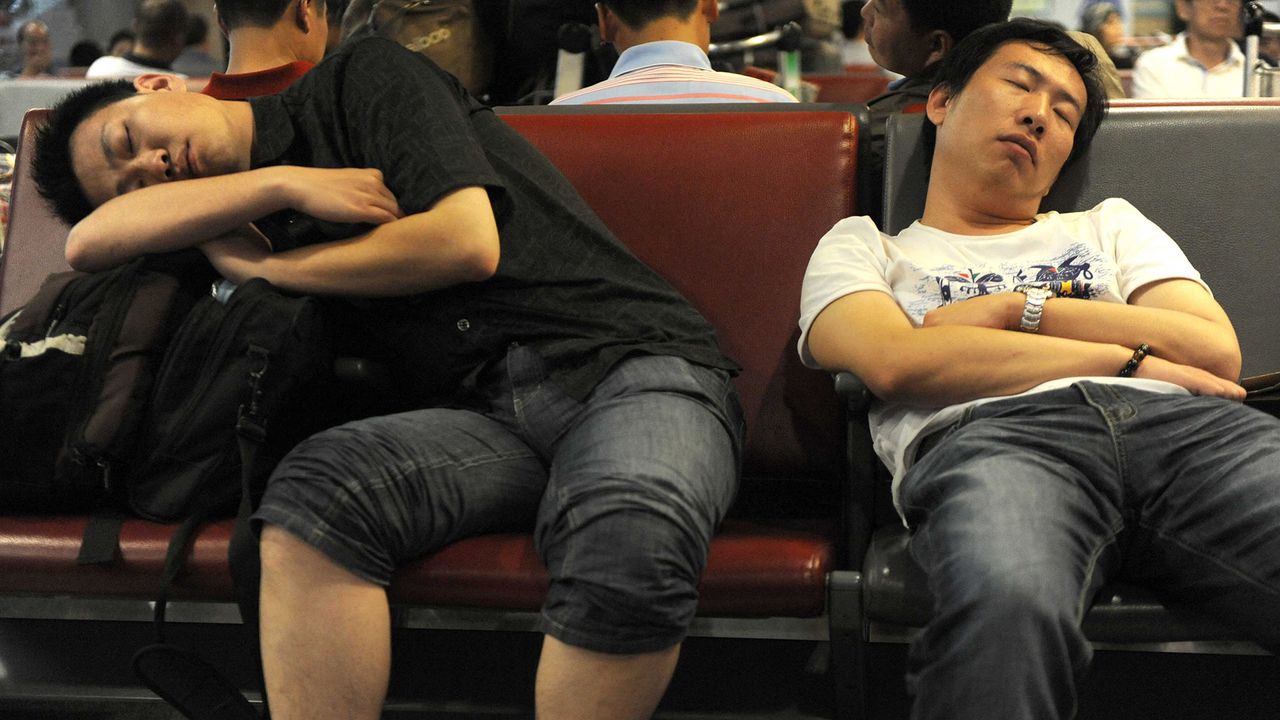
Jet lag strikes when rapid air travel across time zones disrupts the body's internal clock, leaving travelers fatigued, disoriented, and unable to sleep at appropriate local times. The condition stems from circadian rhythm misalignment, the body's natural 24-hour cycle that regulates sleep, hormone production, and alertness.
The severity depends on several factors. Traveling eastward typically causes worse jet lag than westward travel because the body finds it easier to extend a day than compress one. Crossing six or more time zones amplifies symptoms. Individual genetics play a role too; some people adjust faster than others due to differences in clock gene expression.
Several evidence-based strategies reduce jet lag duration. Light exposure proves most effective. Morning light resets the circadian clock forward, while evening light delays it backward. Travelers heading east should seek morning light upon arrival; westbound travelers benefit from evening light. This natural adjustment works because the retina directly signals the brain's master clock in the suprachiasmatic nucleus.
Melatonin supplements offer modest benefits when timed correctly. Taking melatonin in the evening at your destination mimics natural nighttime hormone signals and accelerates adjustment. Timing matters more than dose; taken at the wrong time, it worsens jet lag.
Strategic caffeine use helps manage alertness during adjustment. Caffeine can anchor the circadian rhythm, but consuming it only at specific times prevents further disruption.
Sleep scheduling before departure aids adaptation. Starting to shift sleep earlier (for eastward travel) or later (for westward travel) several days before departure gives the body a head start.
Physical activity after arrival also assists. Exercise in the morning at your destination strengthens circadian realignment through multiple mechanisms involving core body temperature and hormone release.
Avoiding alcohol and heavy meals on travel days prevents additional sleep disruption during a period when the body is already vulnerable