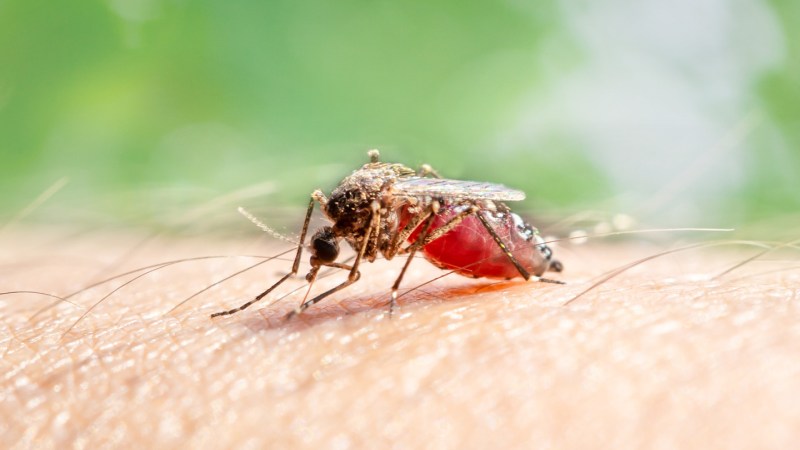
Researchers have discovered that mosquitoes can detect DEET, the common insect repellent, and may even learn to associate it with food sources in laboratory conditions. The finding raises questions about how the widely used chemical performs in real-world settings.
Scientists exposed mosquitoes to DEET in controlled experiments and observed that the insects could sense the compound through their olfactory receptors. More surprisingly, when researchers paired DEET exposure with access to food, mosquitoes began learning the association, suggesting they could potentially train themselves to seek out DEET-treated surfaces if those areas contained meals.
The research highlights a gap in understanding repellent behavior. DEET has protected millions of people from mosquito-borne diseases for decades, but this study indicates the mechanism may be more complex than previously thought. Rather than simply repelling insects outright, DEET might work through multiple pathways, including masking human odors or interfering with mosquito navigation.
However, laboratory conditions differ significantly from outdoor environments. In controlled settings, researchers can isolate variables and observe insect behavior without the competing stimuli that exist in nature. Wild mosquitoes encounter countless odors, environmental pressures, and food sources simultaneously. Whether the learned associations observed in the lab translate to behavioral changes in actual field conditions remains unclear.
The findings also depend on which mosquito species researchers tested. Different species exhibit varying sensitivities to DEET and different feeding behaviors. Results from one species may not apply universally across all disease-carrying mosquitoes.
Entomologists emphasize that laboratory discoveries do not invalidate DEET's effectiveness as a personal protection tool. Millions of field applications have demonstrated its practical value against malaria, dengue, and Zika transmission. Yet the research suggests scientists should continue investigating how insects respond to repellents across different contexts and species.
Understanding mosquito sensory biology