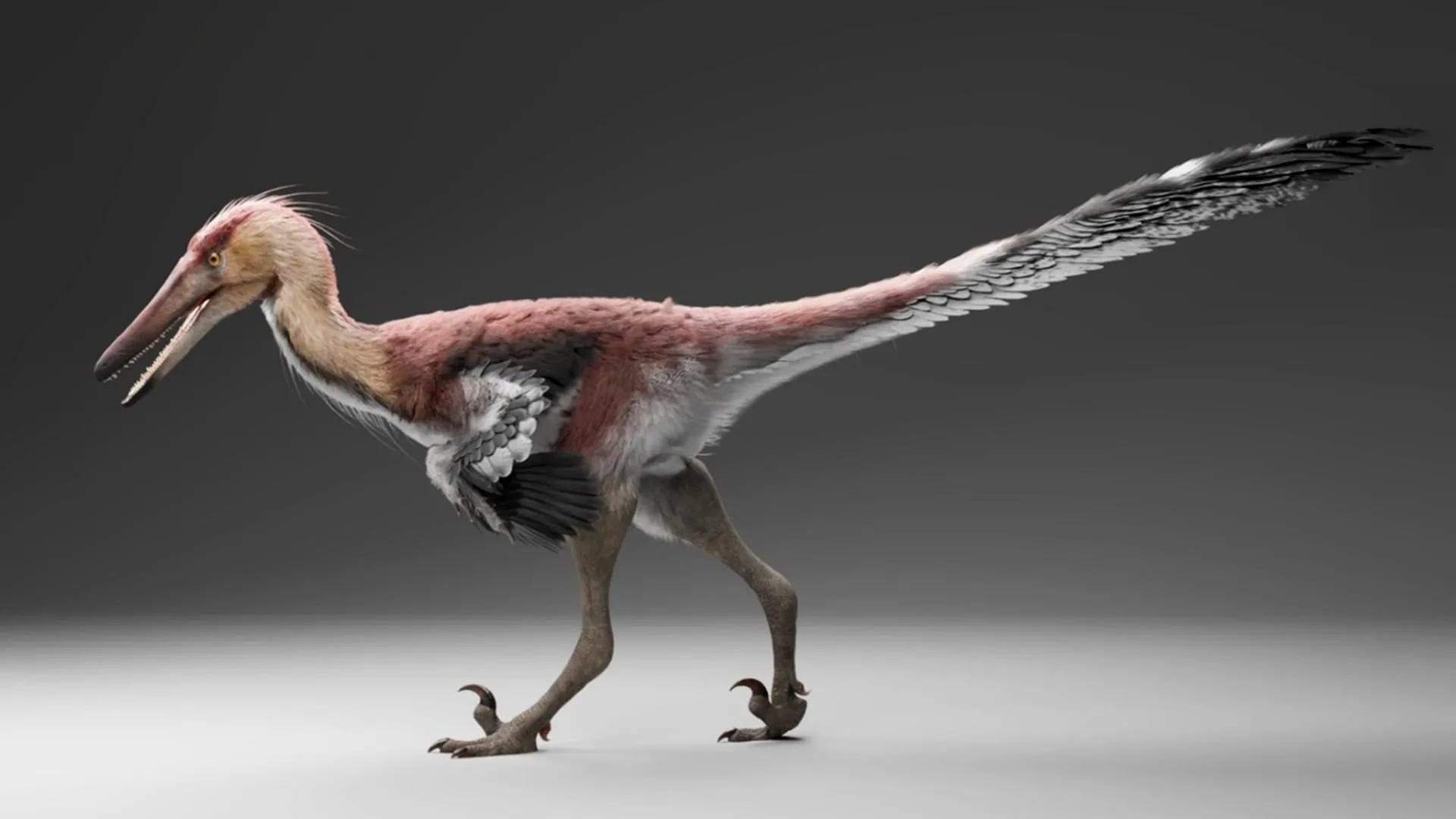
A newly discovered raptor-like dinosaur from Patagonia reveals an unexpected hunting strategy that challenges conventional views of ancient predators. Researchers identified Kank australis, a 70-million-year-old species that appears to have hunted fish using methods strikingly similar to modern herons, according to ScienceDaily.
The dinosaur possessed a long, flexible neck and specialized vertebrae that enabled swift, precise hunting movements. These anatomical features allowed Kank australis to strike at prey with the agility and control characteristic of wading birds today. Rather than the aggressive pursuit tactics associated with typical raptors, this species exploited an ecological niche focused on aquatic hunting.
Kank australis lived during the Late Cretaceous period in what is now southern Argentina. The discovery expands paleontologists' understanding of dinosaur diversity and behavioral specialization. While many predatory dinosaurs developed adaptations for chasing terrestrial prey across open landscapes, this species invested in precision fishing mechanics instead.
The specialized vertebral structure represents a key evolutionary adaptation. These bones provided the flexibility necessary for rapid head and neck movements, allowing the dinosaur to react quickly to fish in water. This anatomical arrangement differs markedly from other raptor species known from the fossil record, suggesting independent evolution of hunting strategies suited to different environments and food sources.
The finding illustrates how Late Cretaceous ecosystems supported varied predatory niches. Kank australis occupied a role that modern herons and egrets fill today, demonstrating that dinosaurs developed remarkably sophisticated ecological strategies over millions of years. The discovery adds depth to paleontological knowledge about how extinct species adapted their bodies and behaviors to exploit specific resources in their environments.
Further study of Kank australis specimens may reveal additional details about its hunting prowess and ecological relationships with contemporary species in Patagonian ecosystems millions of years