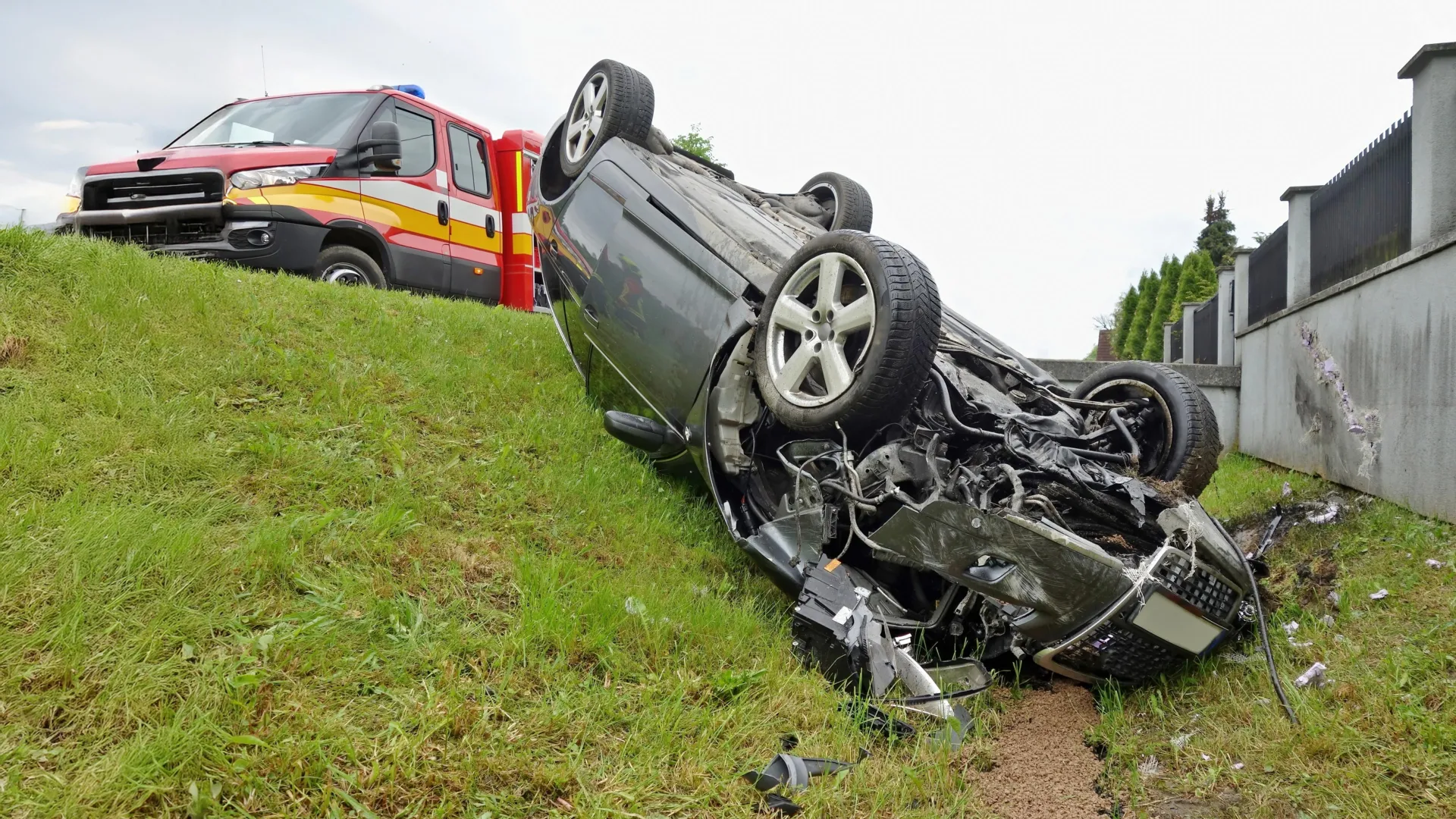
A Johns Hopkins University study reveals that combining cannabis edibles with alcohol produces impairment levels substantially greater than either substance individually. The research demonstrates a synergistic effect that poses serious risks for driver safety.
Researchers found that the combination intensifies cognitive and motor impairment beyond simple additive effects. This matters because many people consume cannabis edibles without realizing how their effects interact with alcohol. The timing of edible absorption complicates the picture further, as edibles take 30 minutes to two hours to produce effects, potentially creating delayed impairment that users underestimate.
The study identified a critical gap in roadside enforcement. Standard field sobriety tests, the physical evaluations police officers use to assess impaired driving, frequently failed to detect cannabis-related impairment when combined with alcohol. This detection failure means drivers could pass field tests while dangerously impaired, potentially avoiding arrest despite posing real hazards.
The research builds on growing evidence that cannabis and alcohol interact in ways that amplify impairment. Cannabis affects different brain systems than alcohol. While alcohol primarily depresses the central nervous system, cannabis impacts memory, attention, and motor coordination through different neurochemical pathways. Combined, these effects compound each other.
The Johns Hopkins findings carry practical implications for traffic safety policy. Current roadside assessment tools were designed primarily to detect alcohol impairment and may require updates to account for polydrug use. Researchers suggest that standardized impairment assessment protocols need revision to capture cannabis effects more reliably.
The study does not specify dosages of cannabis edibles or alcohol tested, which limits generalizability across consumption patterns. Field sobriety tests vary in implementation by jurisdiction and officer training, suggesting results may not apply universally.
Public health messaging around edibles remains insufficient. Unlike smoked cannabis, where users feel effects within minutes, edibles delay onset substantially. Combined with alcohol's effects on judgment