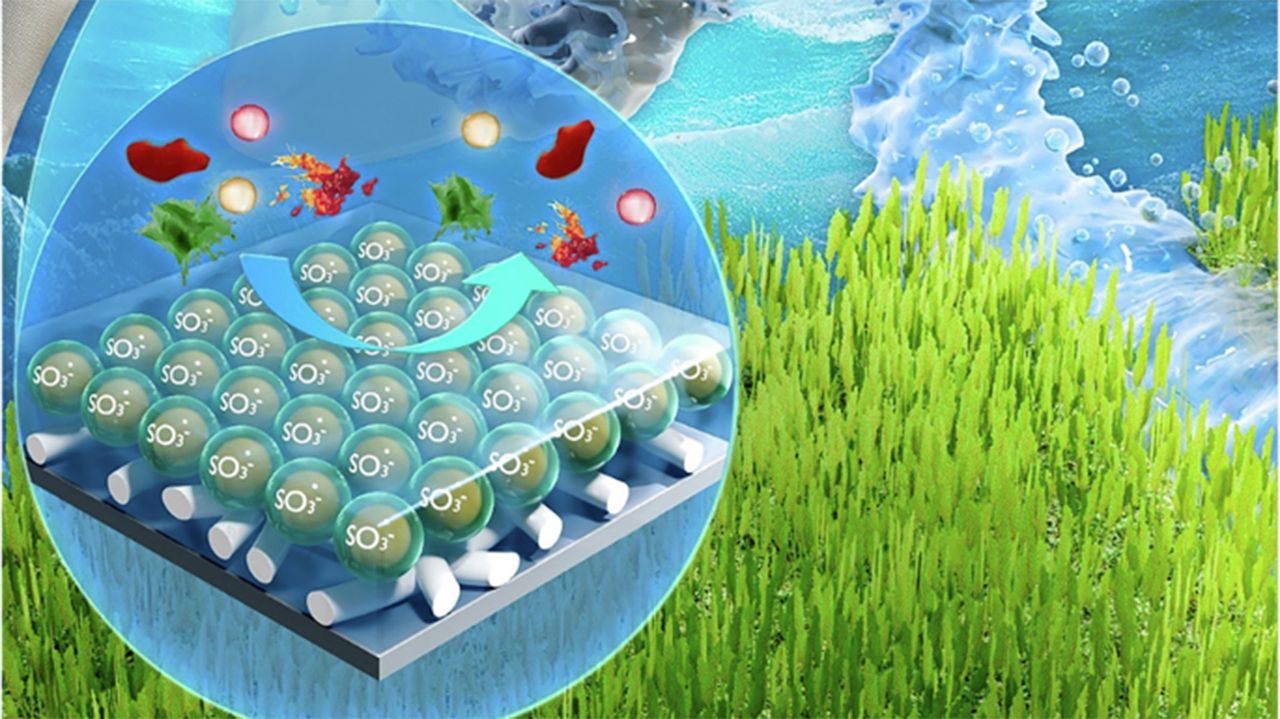
Chinese chemists have developed a coating for fabrics that eliminates stains without traditional detergent, potentially slashing the environmental and financial costs of laundering by up to 80 percent. The coating works by breaking down stain compounds directly on fabric surfaces rather than relying on chemical surfactants to suspend dirt in water.
The research represents a practical approach to reducing water consumption and energy use associated with washing clothes. Standard laundry requires significant water volumes, heated water for effectiveness, and detergent chemicals that enter wastewater systems. This self-cleaning coating could address all three concerns simultaneously.
The coating functions through photocatalytic and hydrophobic properties. When exposed to light, the surface actively breaks apart organic stain molecules. The hydrophobic layer simultaneously repels water and oils, preventing new stains from adhering permanently to fibers. Combined, these properties allow dirt and oils to rinse away with minimal or no water.
Material scientists have long pursued self-cleaning textile solutions. Previous attempts focused on nanoparticle coatings that proved either fragile or ineffective after repeated washing. The Chinese team appears to have engineered greater durability into their formulation, though specific details about the coating composition remain limited in available reports.
Several practical questions remain unanswered. The coating's longevity through multiple wash cycles requires independent verification. Its performance on different fabric types and against various stain categories needs clarification. Cost analysis comparing the coating application to conventional laundering practices would determine real-world adoption feasibility.
The development aligns with broader efforts to reduce textile industry water consumption. The fashion and apparel sector consumes roughly 79 trillion liters of water annually, with laundry representing a significant fraction. Any technology that meaningfully reduces this figure could provide environmental benefits at scale.
If the coating proves durable and cost-effective in commercial applications, it could reshape household la