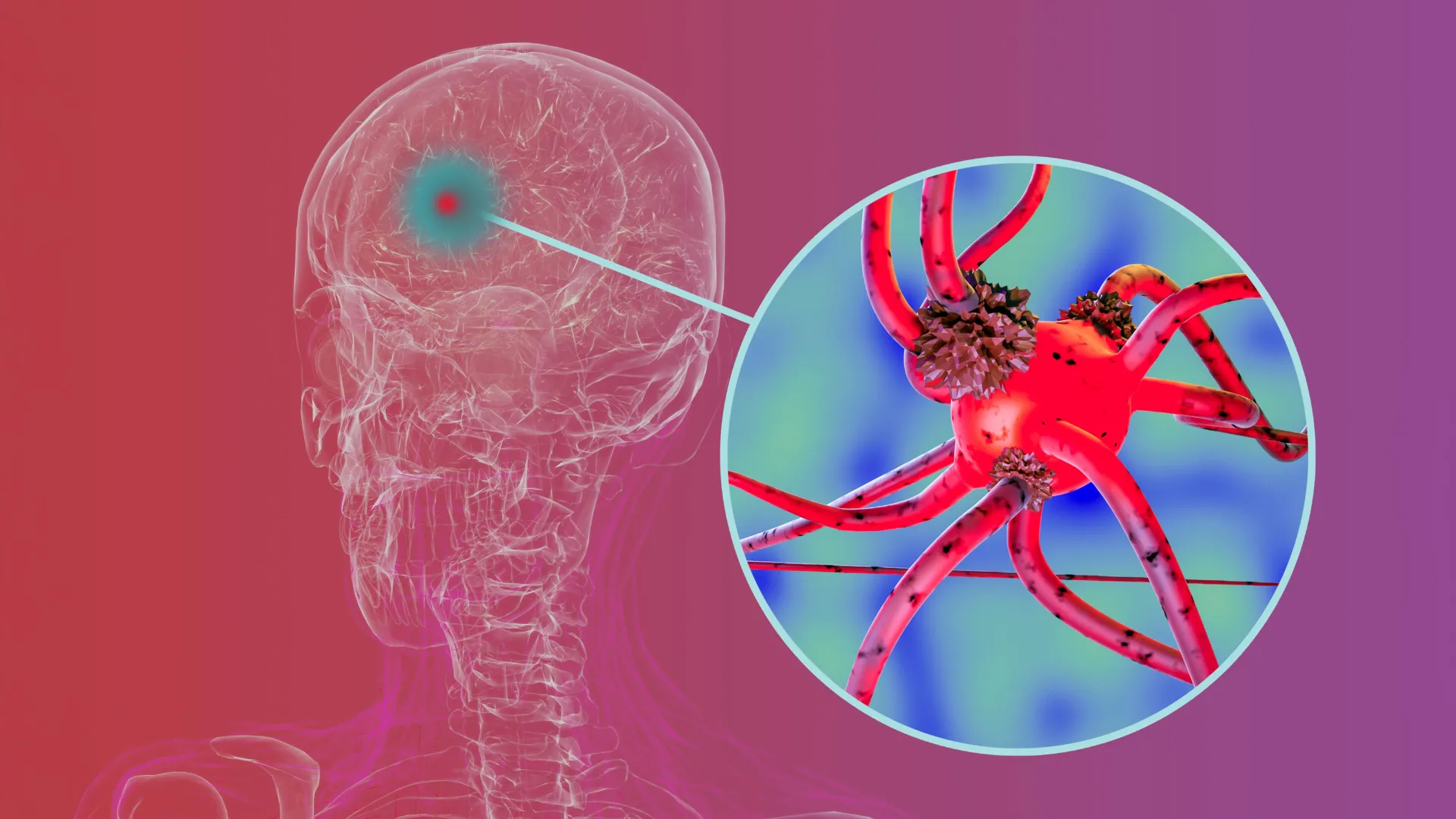
Researchers have identified a protein called GPNMB that facilitates the spread of Parkinson's disease through the brain, opening a new avenue for treatment. The protein is released by immune cells in response to neuronal damage, triggering a destructive cascade that accelerates neurodegeneration across connected brain regions.
The discovery centers on a vicious cycle. When neurons degenerate, immune cells detect the damage and release GPNMB as part of their response. However, this protein appears to amplify rather than contain the problem, causing additional neurons to deteriorate and releasing more GPNMB. This self-perpetuating process explains how Parkinson's progressively spreads throughout the brain.
In preliminary experiments, researchers tested antibodies designed to block GPNMB. The results demonstrated that blocking the protein halted the toxic cascade between cells, preventing the progression of neurodegeneration in their model system. While these findings are early-stage, they suggest GPNMB could be a viable therapeutic target.
Parkinson's disease affects roughly 10 million people worldwide, causing progressive motor and cognitive decline as dopamine-producing neurons die. Current treatments manage symptoms but do not slow the underlying neurodegeneration. Most existing approaches focus on replacing lost dopamine rather than stopping the disease's spread.
This research shifts focus upstream in the disease process. By interrupting the cell-to-cell transmission mechanism, scientists could potentially slow or halt progression rather than simply treating its consequences. The next steps will involve testing GPNMB-blocking antibodies in animal models of Parkinson's and determining whether similar mechanisms drive other neurodegenerative diseases like Alzheimer's.
The findings also raise questions about the immune system's role in neurodegeneration. Rather than being purely protective, immune responses to brain injury may sometimes cause collateral damage. Understanding this balance could reshape how